Meeting a Wildlife Trooper Miles From the Road
Meeting a wildlife trooper miles from the road on an Alaska ATV or UTV is easier when permits, registration, land access, and trip records are clear.
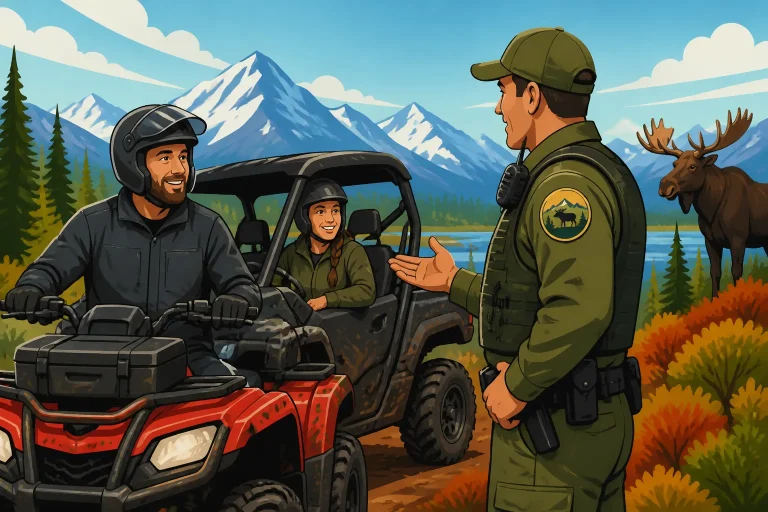
Meeting a wildlife trooper miles from the road on an Alaska ATV or UTV is easier when permits, registration, land access, and trip records are clear.
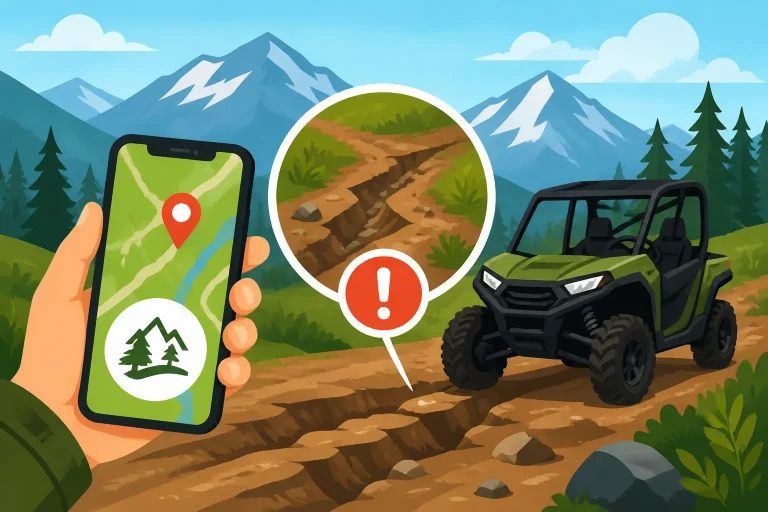
Reporting trail damage on Alaska state land starts with confirming the manager, documenting the location safely and avoiding actions that worsen the trail.
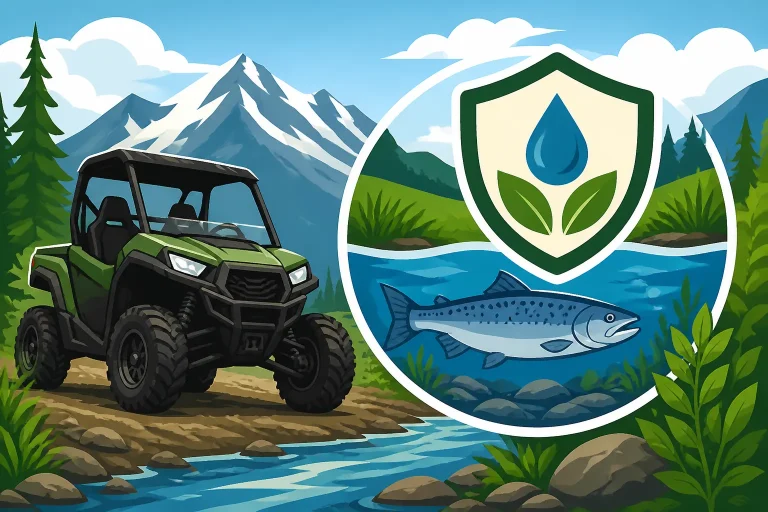
Alaska fish habitat permits regulate ATV and UTV work that alters fish-bearing stream beds, banks, or fish passage.
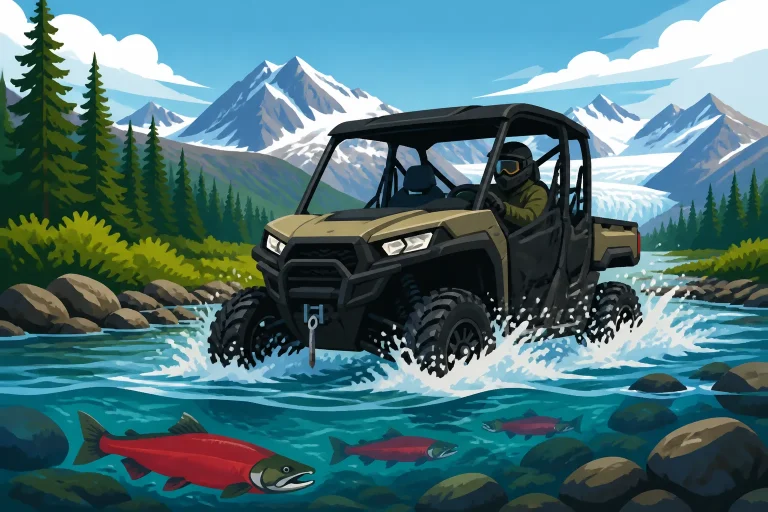
Crossing a salmon stream on an Alaska ATV requires more than finding a shallow spot: verify access, permits, habitat rules and safe water conditions first.

Frozen ground matters for Alaska ATV and UTV travel, but it does not replace land permission, safe route choices, or local closure checks.
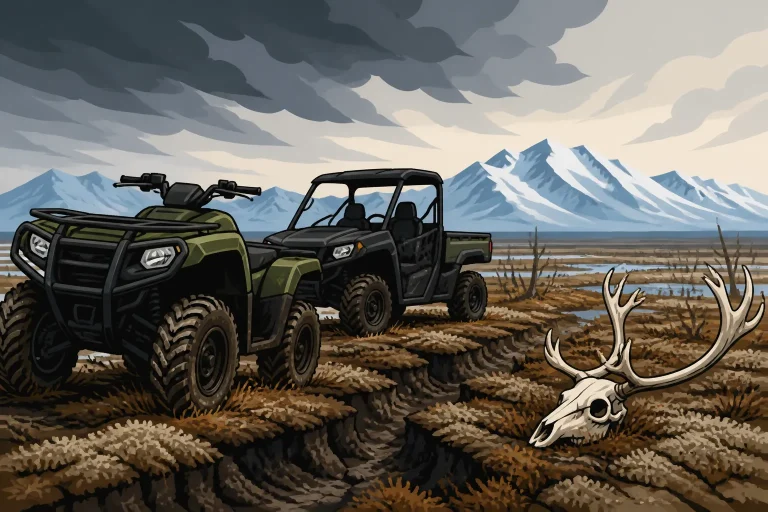
Tundra damage from ATV and UTV riding can persist for years or longer; ride only on authorized routes and avoid soft, wet ground in Alaska.
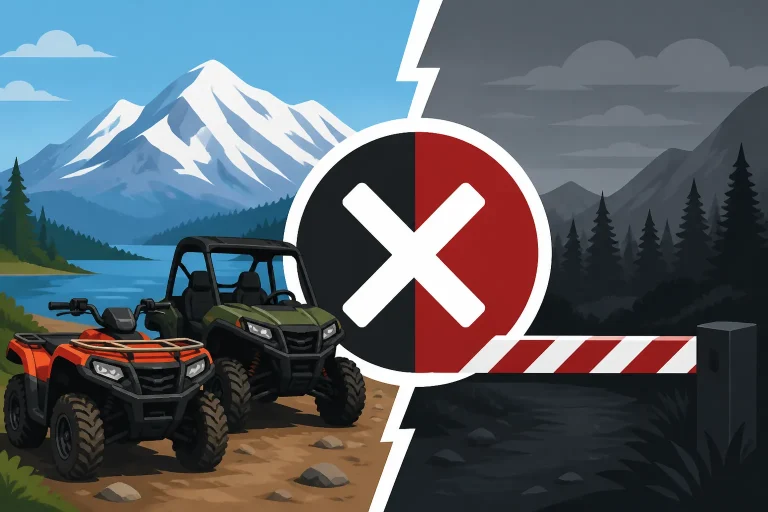
Alaska ATV and UTV closure signs may mark seasonal, land-specific, or route limits; verify boundaries and permissions before riding past them.
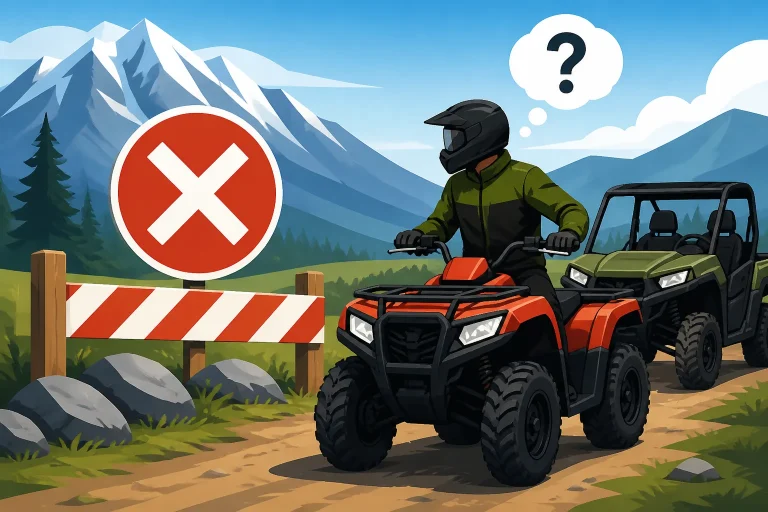
Riding a closed area by accident in Alaska calls for stopping, documenting your route, and checking with the land manager before riding on.
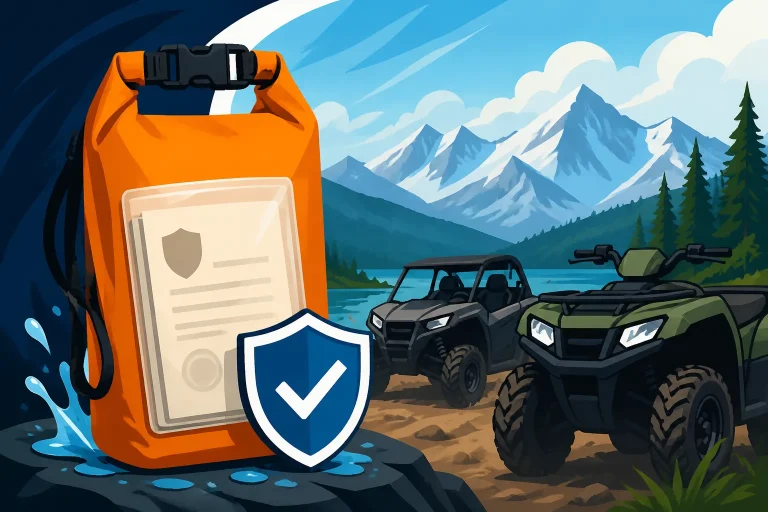
Alaska ATV and UTV riders should keep current insurance proof dry, confirm off-road coverage, and know when road-use rules apply before riding.

Alcohol and an Alaska backcountry ride do not mix: understand impairment risks, land rules, passenger choices, and safer plans before you head out.