Carrying Your Driver’s License on Every APV Ride
Picture this: you're out on a gorgeous Alaska trail, the sun is shining, the air is crisp, and your ATV or UTV is purring along beautifully. Suddenly, you encounter an Alaska State Trooper or a Park Ranger. Your heart might do a little flutter, but if you've got your documents in order, there's nothing to worry about. This guide is all about one crucial item often overlooked: your driver's license, why it's absolutely non-negotiable for nearly every APV ride in Alaska, and what other vital paperwork you should always have with you.
Why Your Driver's License Is Essential for APV Riding in Alaska
It’s a common misconception that because you’re "off-road," the regular rules of the road don't apply. While riding an All-Purpose Vehicle (APV) in Alaska can feel like a world away from your daily commute, the reality is that many APV adventures still intersect with public roads, state lands, and even village thoroughfares where standard driving laws come into play. Failing to carry your valid driver's license can turn a fantastic day out into a significant headache, complete with fines or even impoundment of your machine.
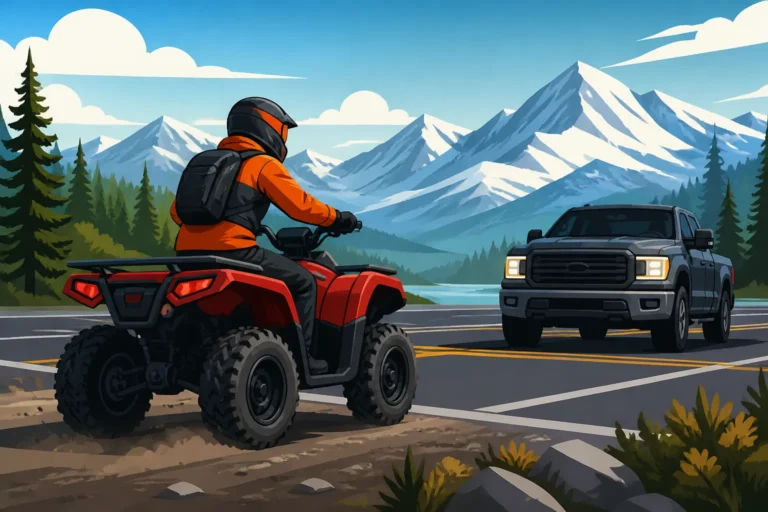
Think about it: even if you're primarily on trails, you might need to cross a highway, ride along a shoulder to get to a trailhead, or travel through a small community. In Alaska, many remote villages rely on APVs as primary transportation, and even there, basic identification and licensing requirements are in place. Troopers and other law enforcement officials have the authority to request proof of identification and a valid driver's license, especially when you're operating a motorized vehicle on public land or any designated roadway. This isn't about being punitive; it's about ensuring safety and accountability. Just like driving your car, operating an APV is a privilege that comes with responsibilities, and one of the most fundamental is being properly licensed to do so. It also helps authorities verify your identity in case of an accident or if your machine is involved in an incident.
Legal Requirements for APV Operators
Alaska law specifically addresses who can operate an APV on various types of public property. While the specifics can sometimes feel a bit like a tangled fishing line, the general rule of thumb is this: if you're riding anywhere that isn't exclusively private land you own, you're likely expected to have a valid driver's license. This applies whether you're cruising through the vast [Knik River Public Use Area in Alaska], navigating logging roads, or simply crossing a paved highway. The requirement isn't just about road use, either; it extends to many public trails and lands where you might encounter law enforcement.
For instance, if you're planning a multi-day trip deep into the interior, you'll inevitably encounter situations where your trail might become a gravel road, or you'll need to use a public right-of-way. Imagine being stopped by a wildlife trooper far from home and realizing your license is sitting on the kitchen counter. That scenario can lead to a lot more than a simple warning. Law enforcement officers are trained to check for a variety of documents during a stop, and your driver's license is at the top of their list. This is why it's critical to treat your APV rides with the same seriousness as driving your car when it comes to carrying essential documents.
Consequences of Not Having Your License
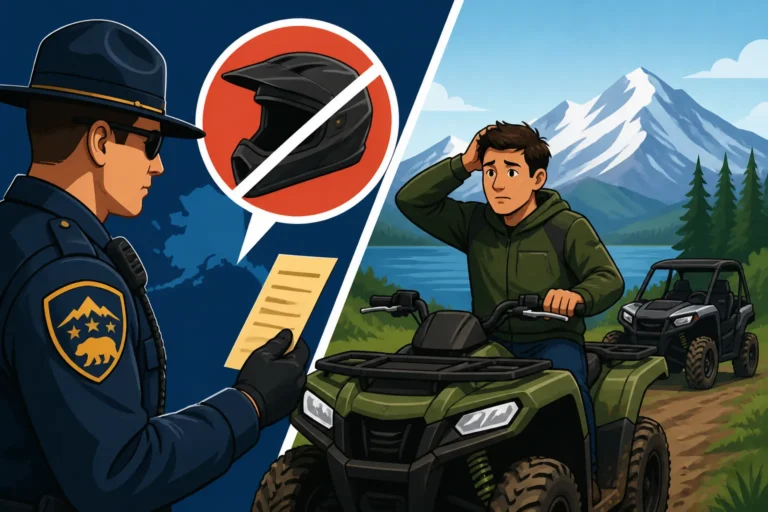
The repercussions for not carrying a valid driver's license while operating an APV in Alaska can range from inconvenient to downright costly. At the very least, you might receive a warning, but that's a gamble. More likely, you could face a citation and a fine. The amount can vary depending on the jurisdiction and the specific circumstances, but nobody wants to pay extra money just because they forgot a piece of paper. Beyond fines, law enforcement has the authority to impound your machine if you're operating it illegally, which could mean a long walk back to your truck and an even longer process to retrieve your APV from impound, complete with towing and storage fees.
Consider a hypothetical: you're riding your side-by-side near Palmer, making a quick dash to a friend's cabin that involves a short stretch on a posted 35 mph road. A local police officer pulls you over for a routine check. If you can't produce a valid driver's license, you could be cited for operating a motor vehicle without a license, even though you have one at home. This isn't just a minor oversight; it's a violation that can impact your driving record. It underscores the importance of being prepared for any interaction with law enforcement, ensuring your [Proof of Insurance on a Quad] is also handy, and understanding the rules outlined in guides like [Alaska APV Road Rules Explained].
What Type of Driver's License Do You Need?
The good news is that for most APV operations in Alaska, you don't need a special endorsement or a commercial driver's license. A standard Class D driver's license, the same one you use to drive your everyday car or pickup truck, is typically sufficient. However, there are nuances, especially concerning age and specific types of APVs.
Standard Class D License
For the vast majority of adult riders (18 and older) operating ATVs, UTVs, or snowmachines (which Alaska considers a type of APV for certain road rules), a valid Class D driver's license is all you need. This is the common license held by most Alaskans and visitors. If you're visiting from out of state or even from Canada, your valid driver's license from your home state or province will generally be recognized. The key is that it must be current and not suspended or revoked.
This requirement holds true whether you're traversing frozen rivers in winter, riding tundra in approved areas, or utilizing designated APV trails within state recreational areas. Even if your ride seems completely isolated from civilization, an encounter with a game warden or park ranger could happen, and they will expect to see that license. This also ties into situations like [Alaska Registration Before Riding Public Land], as operating a registered machine still requires a licensed driver for certain contexts. The state wants to ensure that anyone operating a motorized vehicle has demonstrated a basic level of driving competency, and the driver's license serves as that proof.
Age-Related Exceptions and Youth Riders
Here's where it gets a bit more specific. While adults need a Class D license, Alaska does have rules regarding younger riders. Generally, children under 16 operating an APV on public land or roads must be supervised by an adult, and there are specific rules about age and engine size, as well as helmet laws for riders under 16. However, even if a youth is allowed to operate an APV, they typically wouldn't be able to do so on a public road or highway crossing without a valid driver's license if they were old enough to obtain one. For example, a 14-year-old might be able to ride an ATV on a designated trail, but they wouldn't be legally licensed to drive it across a public highway.
The [Alaska ATV Helmet Law Age] is another critical component here; while it applies to younger riders, it's separate from the driver's license requirement. For teens who are old enough to obtain a learner's permit or provisional license, the rules might be similar to operating a car—requiring a licensed adult passenger and adherence to specific restrictions. Always double-check the current Alaska DMV regulations regarding youth operation of APVs, especially if road crossings or village streets are part of your planned route. The intention is to protect younger riders and ensure they gain experience under safe, supervised conditions before tackling more complex riding scenarios.
Beyond the License: Other Documents to Carry
While your driver's license is paramount, it's not the only piece of paper you should keep on hand when you head out on your APV. Just like your car, your machine has its own set of essential documents that prove ownership, registration, and insurance. Having these readily accessible can save you a lot of time and trouble if you're ever stopped or involved in an incident.
APV Registration and Decal
In Alaska, if you're riding your APV on public land, it must be registered. When you register your machine, you'll receive a registration decal that needs to be properly displayed. However, you should also carry proof of that registration. This is usually a small card or printout that confirms your machine's information and the validity of its registration. Law enforcement officers, as covered in [What a Trooper Can Ask to See], will often ask for this documentation along with your driver's license.
Imagine you just picked up a shiny new side-by-side. You've gone through the process of [Registering a Quad When the Paperwork Is Lost] or a brand-new machine. You have the decal on the tunnel, but the physical registration card is at home. If you're stopped, the officer can verify the decal, but having the card confirms you are the registered owner and helps expedite the interaction. This is particularly important for visitors who might have an [Alaska Rules for an Out-of-State Decal] and still need to carry their home state's registration proof. The physical document is your portable proof that your machine is legally compliant with state registration requirements, ensuring you have the green light to explore Alaska's incredible backcountry.
Proof of Insurance
While Alaska doesn't have a statewide mandatory insurance law for all APVs in all situations, if you operate your APV on a public road or highway, you are required to have liability insurance. This is a crucial distinction that often catches riders off guard. If your ride involves any road segment, even a brief crossing, you must carry proof of insurance. This is typically an insurance card provided by your insurer.
The cost of [Alaska Insurance Cost for an ATV] might seem like an extra expense, but it's invaluable for protecting you and others in case of an accident. If you're involved in a collision on a road or highway and you can't produce proof of insurance, you could face significant fines and penalties, and even have your APV impounded. It’s a good practice to always carry proof of insurance, regardless of where you plan to ride, because you never know when you might need to use a road or right-of-way. Many Alaskans ride their APVs for practical purposes, like hunting or fishing access, or to get to a cabin. In these situations, road use is often unavoidable.
Other Important Documents (Optional but Recommended)
Beyond the essentials, there are a few other documents that, while not legally required, can be incredibly helpful to have on hand, especially for longer or more remote rides.
- Bill of Sale or Title (Copy): If you're riding a newly purchased machine or one where the registration is recent, a copy of the bill of sale or even the title can help confirm ownership. This is especially true for [Registering an ATV Under Alaska's All-Purpose Vehicle Class] and new purchases.
- Permits: Are you riding on specific state or federal lands that require a special permit? Some areas, like certain National Wildlife Refuges or Native Corporation lands, might require specific access permits. Make sure you have these with you. While [Alaska's Statewide General Permit for ATV Use] covers much state land, it doesn't cover everything.
- Emergency Contact Information: In case of an emergency, having a laminated card with names and phone numbers of emergency contacts, medical conditions, or allergies can be lifesaving. This isn't just about legal compliance; it's about personal safety.
Consider a waterproof, tear-resistant document holder or a small dry bag for all your papers. Products like those from SuperATV often include robust storage solutions designed for the rigors of off-road riding, such as under-seat storage boxes or waterproof dash compartments. Keeping your documents secure and dry is just as important as having them in the first place.
Practical Tips for Carrying Your Documents in the Bush
Riding an APV in Alaska means encountering all sorts of weather and trail conditions – from dusty trails to muddy bogs, river crossings, and driving rain. Keeping your essential documents safe, dry, and accessible requires a bit of foresight and the right gear.
Waterproofing and Protection
The first and most critical step is to protect your documents from the elements. A simple plastic bag tucked into a pocket won't cut it when you're splashing through a stream or riding in a downpour. Invest in a high-quality, truly waterproof solution. This could be a specialized dry bag or a robust, sealed document holder. Many riders opt for small, durable hard cases that are designed to be submersible.
Think about where you'll store them. A jacket pocket might be convenient, but is it truly waterproof and secure? Some APVs come with small, integrated storage compartments, but always test their watertight integrity. Aftermarket storage boxes, like those found among SuperATV accessories, are often designed with robust seals and latches specifically for demanding off-road conditions, making them ideal for securing important papers. The goal is to ensure that even after a full day of riding in typical Alaskan conditions, your driver's license, registration, and insurance cards are perfectly legible and intact when you need them.
Accessibility and Security
While waterproofing is paramount, accessibility is also key. You don't want to have to unpack half your gear just to find your license during a routine stop. Choose a location that is easily reachable but also secure enough that documents won't fall out on a bumpy trail. Many riders prefer a small, dedicated pouch within their riding jacket or a secure, easily opened compartment on the APV itself.
However, security also means not making it easy for someone to steal your documents if your machine is left unattended. Avoid leaving your wallet or crucial papers in an unlocked compartment if you're stepping away from your APV. A small, waterproof pouch that can be worn on your person, perhaps around your neck or in a zippered internal pocket, can offer both accessibility and personal security. For instance, if you're riding the trails around [Jim Creek Riding in Alaska], you might stop for a quick hike; having your essentials secured on your person gives peace of mind.
What to Do If Your Documents Are Lost or Damaged
Despite your best efforts, things can happen. A wallet might slip out, a dry bag might fail, or documents could simply get damaged over time. If your driver's license, registration, or proof of insurance gets lost or damaged while you're out riding, here’s a quick course of action:
- Stop Riding (if possible and safe): If you realize your license is missing, and you're far from home, consider if you can safely stop riding, especially on public roads.
- Contact DMV/Insurance: As soon as you can, contact the Alaska DMV for a replacement driver's license or APV registration. For lost insurance cards, contact your insurance provider. You can often get temporary proof of insurance via email.
- Report Theft (if applicable): If you suspect your documents were stolen, file a police report immediately.
- Carry Digital Copies (with caution): While not legally accepted as primary proof, having clear photos of your documents on your phone can sometimes help in a pinch, especially if an officer can verify information with their dispatch. However, do not rely on this as a substitute for the physical documents.
Remember, the best defense is a good offense. Always check that you have all your essential documents before you leave for your ride. Make it part of your pre-ride checklist, just like checking your fuel and tire pressure. A little preparation goes a long way in ensuring a smooth, hassle-free Alaska APV adventure.
Essential Document Checklist for Alaska APV Riding
To make it easy, here's a quick reference table of documents you should always consider carrying when riding your APV in Alaska, especially if you plan to access public roads or trails.
| Document Type | Required for Public Roads/Highways? | Recommended for Public Trails/Bush? | Why It's Important |
|---|---|---|---|
| Driver's License | YES (Class D) | YES | Proof of legal competency to operate vehicle. |
| APV Registration | YES | YES | Confirms machine is legal for public land use. |
| Proof of Insurance | YES | YES (if any road use anticipated) | Required for road use, protects in case of accident. |
| Permits (Land Use) | NO (depends on area) | YES (if applicable) | Authorizes access to specific state/federal/private lands. |
| Bill of Sale (Copy) | NO | YES (for new/recently acquired) | Supplemental proof of ownership. |
| Emergency Contacts | NO | YES | Critical for personal safety and medical situations. |
Keeping this simple list in mind and making sure these documents are securely stored will help you avoid unnecessary stress and ensure you can fully enjoy the incredible APV riding Alaska has to offer.
Disclaimer
This article is for general informational purposes only and does not constitute professional advice. Laws, prices and regulations vary by location and change over time. Consult a qualified professional for guidance on your specific situation.