Winter Storage in an Unheated Shed
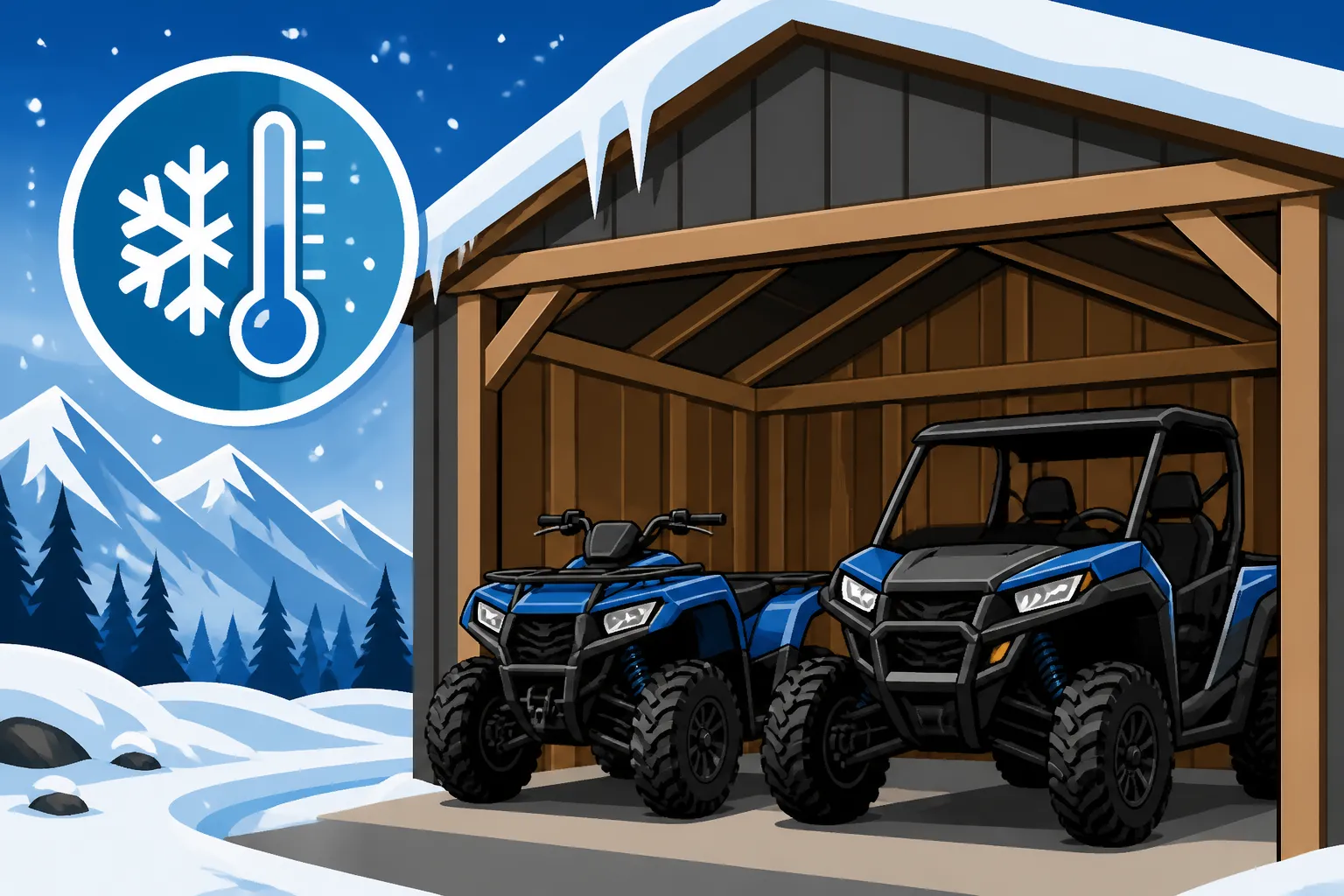
Leaving your beloved ATV or UTV exposed to the harsh Alaskan winter can feel like a betrayal, especially when your only option for shelter is an unheated shed. The thought of freezing temperatures wreaking havoc on fluids, batteries dying, and even tiny critters making a cozy home in your wiring harness is enough to make any rider anxious. This guide is dedicated to helping you properly winterize your off-road machine, ensuring it emerges from the long, cold slumber ready for spring trails, even when stored in the most basic of unheated shelters.
The Unique Challenges of Storing an ATV or UTV in an Unheated Alaskan Shed
Here in Alaska, we know winter isn't just a season; it's an endurance test. And for our ATVs and UTVs, an unheated shed can feel like a crucible. It's not just about keeping the snow off; it's about protecting every vital component from the relentless cold, the sneaky dampness, and the resourceful critters looking for a warm, dry place to call home. Many folks mistakenly think "out of sight, out of mind" applies here, but for an Alaskan winter, that approach can lead to a lot of headaches – and repair bills – come spring.
Battling Extreme Cold and Condensation
The most obvious adversary in an unheated shed is the extreme cold itself. We're talking about temperatures that can easily dip far below zero for extended periods. This kind of cold can turn essential fluids into a thick sludge, or worse, cause them to freeze and expand, potentially cracking engine blocks, hoses, or other critical components. Imagine the frustration of finding a busted radiator or a cracked oil pan just because the antifreeze wasn't up to par, or the oil became too viscous.
Beyond the direct freezing, unheated spaces are notorious for condensation. As temperatures fluctuate throughout the winter, warm air pockets can form and then rapidly cool, causing moisture to condense on metal surfaces. This seemingly innocent dampness can lead to rust and corrosion in places you might not even think to look—inside fuel tanks, on electrical connections, and even within the engine's internals. It's a silent killer, slowly eating away at the integrity of your machine, leaving you with unexpected problems when you're itching to hit the trails again. Preventing this requires a bit of foresight and preparation.
Protecting Against Pests and Unwanted Visitors
As if the cold wasn't enough, an unheated shed provides a tempting sanctuary for all sorts of Alaskan wildlife, from resourceful mice and voles to curious squirrels and even larger creatures depending on your location. These small invaders are incredibly adept at finding their way into tight spaces, and your ATV or UTV offers many appealing spots: air filter boxes, exhaust pipes, glove compartments, under seats, and even tucked into wiring harnesses. They're not just looking for shelter; they're looking for nesting material and food.
The damage these pests can inflict is often costly and time-consuming to repair. Chewed wires can lead to electrical nightmares, requiring hours of troubleshooting to find a broken circuit. Nests in air boxes can block airflow, causing poor performance or engine damage. Insides of seats or storage compartments can be shredded. It's a truly disheartening experience to uncover your machine in the spring, only to find it's been turned into a critter condominium. Proactive measures are crucial to make your machine as uninviting as possible, keeping those fuzzy squatters from turning your investment into their winter retreat.
Step-by-Step Winterization for Your Unheated Shed
Proper winterization is your best defense against the Alaskan elements and unwanted guests when storing your machine in an unheated shed. Think of it as putting your ATV or UTV into a state of hibernation, where every critical system is protected and preserved until spring. This isn't just about covering it up; it's about a systematic approach that addresses everything from fuel to tires. Skipping a step can lead to significant headaches and expenses down the line, so taking the time to do it right now will save you countless hours of frustration later.
Fuel System Preparation: Preventing Stale Fuel and Gummy Carbs
The fuel system is often one of the most problematic areas for machines that sit idle over winter, especially in an unheated environment where temperature fluctuations are common. Gasoline can degrade over time, separating and forming varnish-like deposits that can gum up carburetors, clog fuel injectors, and seize fuel pumps. This is particularly true for E10 (ethanol-blended) fuels, which are prone to attracting and absorbing moisture, leading to corrosion in the fuel system. When you factor in the extreme cold, this degradation process can be even more pronounced, making a spring start-up a painful ordeal.
To avoid this, adding a high-quality fuel stabilizer is absolutely essential. This additive works by preventing fuel oxidation and corrosion, keeping your gasoline fresh and its components from separating. After adding the stabilizer to a full tank of fuel – filling the tank helps prevent condensation – it’s crucial to run the engine for at least 10-15 minutes. This ensures the treated fuel circulates throughout the entire fuel system, protecting the carburetor, fuel pump, and injectors. For carbureted machines, some experienced riders go a step further and drain the carburetor bowl after the stabilizer has circulated, to ensure there's no fuel left to turn to varnish, though stabilizer typically does the trick if circulated properly. This small effort now can save you from a complete carburetor rebuild or fuel system flush come riding season.
Fluid Checks and Changes: A Lifeline in the Cold
In an unheated shed, the fluids in your ATV or UTV are on the front lines against the cold. Old, contaminated, or incorrect fluids can freeze, thicken, or simply lose their protective properties, leaving vital components vulnerable. Engine oil, for example, not only lubricates but also helps cool and clean. Over time, it accumulates contaminants and breaks down, reducing its ability to protect engine internals, especially during a cold Alaskan start. Similarly, transmission and differential fluids can lose their viscosity and protective qualities, leaving gears and bearings exposed to increased wear.
Before winter sets in, it’s a wise investment to change all the fluids – engine oil, transmission fluid, and differential fluid. Fresh fluids ensure maximum protection against corrosion and wear, and they're less likely to suffer viscosity breakdown from the extreme cold. For liquid-cooled machines, checking the antifreeze is critical. Ensure your coolant is mixed to the proper ratio for Alaskan temperatures, offering protection well below the lowest expected temperatures. An insufficient antifreeze-to-water ratio is an open invitation for a frozen, cracked engine block or radiator, a repair no one wants. Also, take a moment to inspect your brake fluid; while less susceptible to freezing, good brake fluid is always important for safety.
Battery Care: Keeping the Heart Alive
The battery is arguably the most vulnerable component when storing your ATV or UTV in an unheated Alaskan shed. Lead-acid batteries lose charge naturally over time, and this discharge rate accelerates in cold temperatures. A discharged battery can freeze, leading to permanent damage to its internal plates and rendering it useless. The frustration of eagerly anticipating your first spring ride only to find a completely dead battery that won't hold a charge is a common, and completely avoidable, Alaskan experience.
To prevent this, the best practice is to remove the battery from the machine entirely. Once removed, clean the terminals thoroughly, and store the battery in a warmer, climate-controlled environment, like inside your home or a heated garage. Even better, connect it to a high-quality battery tender or trickle charger. These devices maintain a slow, consistent charge, preventing discharge and keeping the battery in optimal condition without overcharging it. This ensures that when spring rolls around, your battery is fully charged and ready to power your machine back to life without a hiccup.
Tire and Suspension Preservation: Avoiding Flat Spots and Rust
Sitting static for months, especially with the fluctuating temperatures and potential dampness of an unheated shed, can take a toll on your ATV or UTV's tires and suspension components. Tires can develop "flat spots" where they meet the ground, leading to an unbalanced and bumpy ride once you get back on the trail. Suspension components, including shocks, bushings, and various pivot points, are susceptible to rust and degradation, especially if dirt and moisture are allowed to linger. Over time, this can lead to stiff suspension, squeaks, and reduced performance.
To prevent flat spots, inflate your tires to the maximum recommended pressure listed on the tire's sidewall, or at least a few PSI above the normal operating pressure. If possible, the ideal scenario is to lift the machine off the ground using jack stands or blocks, taking all the weight off the tires and suspension. This completely eliminates the risk of flat spots and reduces stress on suspension components. While the machine is off the ground, take the opportunity to clean and grease all accessible suspension fittings, particularly those with grease zerks. Inspect all rubber boots for cracks or damage, as these protect critical joints from dirt and moisture. A little attention now can save you from expensive suspension repairs or prematurely worn tires later.
Cleaning and Covering: The First Line of Defense
Before tucking your ATV or UTV away for its long winter nap, a thorough cleaning is paramount. Any mud, dirt, grim, or corrosive trail chemicals left on the machine can trap moisture and accelerate rust and corrosion, especially in an unheated, potentially damp shed. Imagine the heartbreak of pulling off the cover in spring to find rust spots blooming on your frame or dull, pitted aluminum components. This is why a deep clean is more than just aesthetics; it's a vital part of preservation.
Start by giving your machine a thorough wash, focusing on removing all caked-on dirt, mud, and debris from the frame, suspension, engine, and underside. Pay special attention to areas where mud tends to cling. Once washed, ensure the machine is completely dry. You can use an air compressor to blow water out of nooks and crannies. After drying, apply a protective spray, like a silicone protectant on plastics and rubber, and a corrosion inhibitor on exposed metal parts. Finally, cover your machine with a breathable, purpose-made ATV/UTV cover. A breathable cover is key because it allows any trapped moisture to escape, preventing condensation from forming underneath. A tarp, while seemingly protective, can actually trap moisture and exacerbate corrosion issues in an unheated environment. This final step protects against dust, pests, and the subtle wear of the winter months. You might even consider having your [Alaska Registration Paperwork Checklist] and bill of sale handy in case you need to access it, but ensure it's in a safe, dry place away from the machine.
Essential Gear and Supplies for Unheated Storage
Successfully storing your ATV or UTV in an unheated Alaskan shed goes beyond just the machine itself; it also involves preparing the environment. A few key pieces of gear and supplies can make a world of difference in mitigating the unique challenges of cold, damp, and critter-prone spaces. These aren't just luxuries; they're practical necessities that contribute significantly to the long-term health and integrity of your off-road investment.
Humidity Control and Pest Deterrents
Even if your shed appears dry, the very nature of an unheated space means humidity levels will fluctuate with temperature, potentially leading to condensation and the aforementioned corrosion issues. Investing in some basic humidity control can really help. Large moisture absorbers, often found as desiccant bags or tubs, can effectively pull excess moisture from the air within the shed, reducing the risk of rust and mildew. Place these strategically around your machine, remembering to check and replace them as they become saturated.
Pest deterrence is another critical layer of protection. There are several strategies you can employ. Physical barriers, like stuffing steel wool into exhaust pipes and air intakes, can prevent critters from entering. For a more direct approach, snap traps or bait stations can be effective, but remember to check them regularly and dispose of pests responsibly. Many riders also swear by natural repellents; dryer sheets tucked into various compartments, Irish Spring soap shavings, or even cotton balls soaked in peppermint oil can deter rodents. The key is to make the environment unwelcoming for them. You might also look into sealing any major gaps or holes in your shed itself that might serve as easy entry points for unwelcome guests. For important documents like a bill of sale or any ownership paperwork, it's wise to store them separately in a secure, climate-controlled location in your home, perhaps in a fireproof safe, rather than leaving them in the shed where they could be damaged by moisture or chewed by rodents. If you're using a generic form or creating one for personal records, services like LawDepot offer templates for various legal documents, which can be useful if you're ever looking to create a formal record of ownership or a custom bill of sale. [Alaska Bills of Sale for a Used Machine] is an important document to protect.
Documentation and Security
While the physical machine is the primary focus of winter storage, your documentation also deserves attention. Keeping your ATV or UTV's title, registration, and other important paperwork safe and secure is just as vital as protecting the machine itself. These documents are proof of ownership and essential for legal operation. Losing them to dampness, mold, or rodent damage can be a major headache when spring rolls around, requiring visits to the DMV and potentially waiting periods for duplicates. Think about how much easier life is when you have your [Alaska Registration Paperwork Checklist] ready to go.
It's always a good idea to remove all original paperwork from the machine and the shed. Store these documents in a secure, dry place within your home, such as a filing cabinet or a fireproof safe. This not only protects them from environmental damage but also from theft, should your shed ever be compromised. Consider taking photos or making digital copies of your title and registration as an added backup. For security, while a shed offers some concealment, it's often not as secure as a garage. Consider locking your ATV or UTV with a heavy-duty cable lock to a permanent fixture within the shed, or use a wheel lock. Even basic security measures can deter opportunistic thieves. If you have any lienholders or [Alaska Security Interests and NTI Titles] on your machine, keeping the associated documentation pristine is even more crucial. Services like LawDepot can also provide templates for various affidavits if you ever need to attest to certain facts regarding your machine's history or ownership, which can be invaluable in dealing with state agencies.
Here's a quick look at some recommended winter storage supplies:
| Item | Purpose | Why it's important in an unheated shed |
|---|---|---|
| Fuel Stabilizer | Prevents fuel degradation, gumming, and corrosion. | Extreme cold accelerates fuel breakdown and can lead to major engine issues. |
| Battery Tender/Trickle Charger | Maintains battery charge, prevents freezing and discharge. | Cold drains batteries faster; a dead battery means no spring start. |
| Moisture Absorbers | Reduces humidity and condensation in the air. | Prevents rust, corrosion, and mildew on all metal surfaces. |
| Pest Repellents/Traps | Deters or eliminates rodents and other pests. | Protects wiring, upholstery, and air filters from destructive chewing. |
| Breathable ATV/UTV Cover | Protects from dust, dirt, and light moisture. | Allows air circulation, preventing condensation that a tarp would trap. |
| Corrosion Inhibitor Spray | Protects exposed metal parts from rust. | Adds a protective layer against dampness and fluctuating temperatures. |
| Jack Stands/Blocks | Lifts machine to relieve pressure on tires and suspension. | Prevents tire flat spots and extends suspension component life. |
Post-Winter Revitalization: Getting Ready for Spring Rides
When the long Alaskan winter finally starts to loosen its grip and the snow begins to melt, the excitement to get back on the trails is almost unbearable. But before you rush out the door, a little post-winter revitalization is in order. Your machine has been sleeping in that unheated shed for months, enduring freezing temperatures and potentially damp conditions. Jumping straight into a ride without a thorough check can lead to unexpected breakdowns or even safety hazards. Think of this as waking your machine up gently, ensuring every system is ready for action.
Reconnecting and Rechecking
The first step in waking up your ATV or UTV is to reverse some of the winterization steps and perform a thorough inspection. If you removed the battery, now is the time to retrieve it from its warm, climate-controlled storage and reinstall it. Make sure the terminals are clean and securely fastened. Then, go through all the fluid levels once more – engine oil, coolant (if applicable), transmission fluid, and differential fluid. Even though you changed them, a quick check confirms everything is topped off and nothing has leaked or evaporated.
Next, you'll want to conduct a meticulous inspection for any signs of pest activity. Look for chewed wires, nests, or droppings, especially in the airbox, under the seat, and around electrical components. Critters can cause significant damage that might not be immediately obvious. Pay close attention to hoses and belts for cracks, wear, or evidence of rodent gnawing. Check all lighting, including headlights, taillights, and brake lights, to ensure they're functional – essential for safety and compliance with [Alaska OHV Equipment Requirements]. Finally, check your tire pressure; even if they were inflated to max, tires can lose a few pounds over several months. Take the time to inflate them to their recommended operating pressure for the season.
First Start-Up Tips
After all the checks, it's time for the moment of truth: the first start-up. Don't just crank it and go. Approach this cautiously. Turn the key or press the start button, but listen intently. If you hear any unusual grinding, squealing, or knocking, stop immediately and investigate. A healthy engine should turn over smoothly. If it's a carbureted machine, it might take a few extra cranks to pull fuel through. Once it starts, let the engine idle for several minutes, allowing it to slowly warm up and all fluids to circulate. Resist the urge to rev the engine aggressively; a gentle warm-up helps prevent unnecessary wear after a long period of dormancy.
During this warm-up period, keep an eye on all gauges and indicator lights. Look for any warning lights that might signal an issue. Check for any leaks around the engine, transmission, or fuel lines. Take a walk around the machine to ensure all lights are working and there are no strange odors or smoke. Once it's warmed up, take it for a short, gentle test ride around your property or a very familiar, safe area. Listen for any odd noises, test the brakes thoroughly, and feel for any issues with steering or suspension. This short test run allows you to identify any lingering problems before you head out on a serious trail ride. And remember, before you venture onto public lands, ensure your machine's registration is current. Checking [Alaska Registration Before Your First Ride] is a smart move to avoid any surprises from local enforcement.
Disclaimer
This article is for general informational purposes only and does not constitute professional advice. Laws, prices and regulations vary by location and change over time. Consult a qualified professional for guidance on your specific situation.