Alaska Excludes Tracked Vehicles
You’ve got a fantastic tracked machine, perfect for Alaska’s challenging terrain, only to discover that when you try to register it for public land use, the DMV tells you it doesn't fit the bill for an All-Purpose Vehicle (APV). This can be incredibly frustrating, leaving you wondering how to legally operate your valuable equipment on the vast landscapes you bought it for. This guide will dive deep into why Alaska's APV registration specifically excludes tracked vehicles, what this means for you as an owner, and how you can navigate the unique challenges that come with owning such a specialized piece of equipment in the Last Frontier.
Understanding Alaska's All-Purpose Vehicle APV Definition
When you're looking to hit the trails in Alaska, understanding what constitutes an All-Purpose Vehicle, or APV, according to state law is your first critical step. Many folks assume "off-road" means "all off-road vehicles," but the regulations are quite specific, and that specificity is where tracked vehicles often find themselves in a bit of a gray area, or more accurately, a "not-an-APV" area.
What Qualifies as an APV for Registration
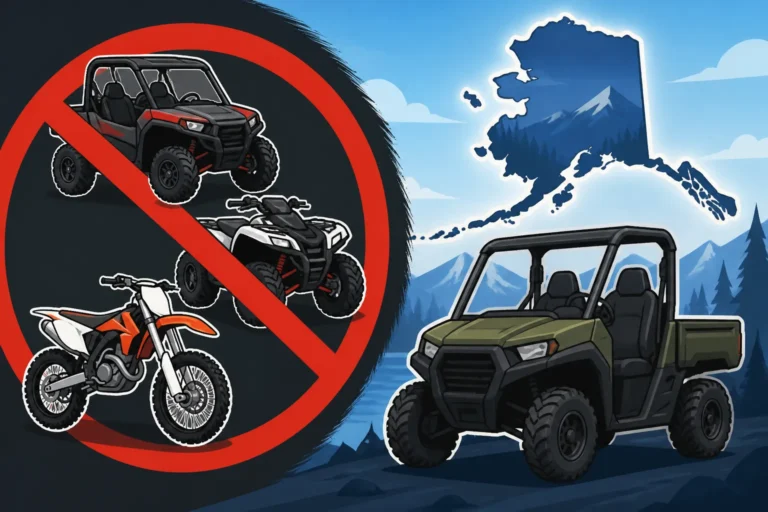
For a machine to be registered as an APV in Alaska, it generally needs to meet a very particular set of criteria, primarily centered around its propulsion system. We're talking about machines that are motor-driven, designed for off-highway travel, and critically, wheeled. Think of your standard four-wheelers, side-by-sides with tires, or even dirt bikes. These are the workhorses and recreational vehicles that Alaska's APV class was designed for. They typically have a dry weight under 1,500 pounds and are less than 60 inches wide, making them suitable for many designated trails.
The state’s definition is quite clear on these points, aiming to categorize vehicles that share similar operational characteristics and environmental impacts on trails. If your machine rolls on tires, has an engine, and is intended for off-highway adventure or work, it likely falls into this category. Understanding this baseline is crucial because it immediately highlights why other types of vehicles, like those with tracks, don't seamlessly fit into the same box. For a deeper dive into what qualifies, you might want to read [Alaska's APV Class Explained] and [Registering an ATV Under Alaska's All-Purpose Vehicle Class].
The Core Characteristics That Exclude Tracked Machines
The moment your machine trades wheels for tracks, it steps outside the primary definition of an Alaska APV. It's a fundamental difference in design and function that impacts everything from how the vehicle moves over terrain to its interaction with the ground beneath it. While both wheeled APVs and tracked machines are designed for off-road use, their methods of propulsion are distinct, and the state's registration framework reflects this.
The legislative intent behind the APV class often focuses on vehicles that operate with a specific kind of footprint and maneuverability, characteristics that wheeled vehicles inherently possess. Tracked machines, by their nature, spread their weight over a larger surface area, often leading to different considerations regarding ground pressure, potential for rutting, and overall environmental impact, especially on delicate tundra or wetlands. This isn't to say one is inherently "better" or "worse," but simply that they are different enough to warrant separate classifications – or, in the case of tracked vehicles not otherwise specified, a lack of a direct APV classification.
The Specific Exclusion of Tracked Vehicles
So, you've got this incredible tracked machine, built for stability and traction in challenging conditions, and you're wondering why it doesn't get the same registration treatment as your buddy's ATV. It boils down to a very specific interpretation of vehicle design within Alaska's Department of Motor Vehicles (DMV) guidelines for All-Purpose Vehicles.
Why Tracks Don't Fit the Wheel-Based Criteria
The core of the matter is quite simple: Alaska's APV classification is strictly for wheeled vehicles. When the law defines an APV, it's picturing tires on the ground, pushing the machine forward. Tracks, while incredibly effective for certain terrains like deep snow, muskeg, or rugged construction sites, fundamentally alter the vehicle's mechanics and interaction with the ground. They are not wheels, and therefore, a vehicle primarily propelled by tracks simply cannot be registered as an APV under the current regulations.
This isn't an arbitrary decision; it reflects a legislative distinction between types of off-road equipment. Tracked machines often have different performance capabilities, environmental footprints, and intended uses compared to wheeled ATVs and UTVs. This distinction also affects how vehicles are identified and regulated across various state departments. So, if your machine is equipped with tracks, it automatically falls outside the APV category. For a complete list of excluded machines, you might want to look at [Machines Alaska Will Not Register as an APV] and specifically [Why a Tracked Machine Cannot Be an APV].
Common Types of Tracked Machines Affected
When we talk about tracked vehicles that aren't eligible for APV registration, it's important to clarify what kind of machines we mean. We're not talking about snowmobiles here – those have their own distinct registration system in Alaska, as they are specifically designed and regulated for snow travel. Instead, we're referring to other types of tracked vehicles that people might own for work or specialized recreation, but which don't fit into the APV or snowmobile categories.
Examples include tracked UTVs (often regular UTVs with track kits installed for winter or extreme mud, but the state sees the tracks, not the original wheels), small utility tracked carriers used for hauling equipment in remote areas, mini excavators or compact track loaders that are clearly construction equipment, or even some custom-built tracked buggies designed for specific Alaskan conditions. These machines are often purchased for their incredible ability to traverse difficult terrain or to perform heavy-duty tasks where wheeled vehicles might struggle. Their specific use cases – often in industries like mining, construction, forestry, or for specialized cabin access – differentiate them from the general recreational APV.
Implications for Owners of Tracked Vehicles in Alaska
So, you own one of these fantastic tracked machines, and now you know it doesn't get an APV decal. What does that actually mean for you when you want to take it out into the vast Alaskan wilderness? The implications are significant, primarily impacting where and how you can legally operate your equipment.
Public Land Access and Legalities
This is where the rubber (or rather, the track) meets the trail. Without an APV registration decal, your tracked vehicle does not have the automatic right to ride on trails and public lands designated specifically for APV use. This is a crucial distinction that many owners overlook. While wheeled ATVs and UTVs can, with their registration, access a wide array of state and federal lands, your tracked machine operates under a different set of rules entirely.
You absolutely must research the specific land management agency rules for every single parcel of land you intend to operate on. This could mean contacting the Alaska Department of Natural Resources (DNR), the Bureau of Land Management (BLM), the U.S. Forest Service, or even private and Native Corporation landowners. Each of these entities will have their own regulations regarding tracked vehicle access, if it's permitted at all, and what kind of permits or permissions might be required. "No registration" for APV purposes doesn't mean "unregulated" or "free to go anywhere." It means you need to be extra diligent. For more information, check out [Alaska Registration Before Riding Public Land], [Alaska State Land Riding Explained], and [Alaska Native Corporation Land Permissions]. Trespassing or operating without proper authorization can lead to hefty fines and environmental penalties, which nobody wants.
Alternatives for Off-Road Use and Transportation
Given the restrictions on public APV trails, the primary legal and straightforward alternative for operating your tracked vehicle is on private land that you own or have explicit permission to use. On your own property, you generally don't need state registration or special permits, though local ordinances may still apply. This is often the case for machines used around a remote cabin, a homestead, or within private industrial sites.
For those who need to move their tracked machines between locations, road use is almost entirely out of the question. Your tracked vehicle must be transported on a trailer. You cannot simply drive it down the road, even for short distances, as it doesn't meet the requirements for street-legal operation or APV road-crossing allowances. In some very specific, commercial, or industrial contexts, specialized permits might exist for operating certain tracked equipment on private roads or limited access areas, but this is far removed from general recreational use. Always assume you need to trailer it unless you have clear, written permission from the road authority.
Navigating Ownership Without APV Registration
Even if your tracked vehicle doesn't fall under Alaska's APV registration system, proving ownership is absolutely paramount. Imagine buying or selling such a valuable piece of equipment without any formal state record of who owns it. It can quickly become a legal nightmare.
Private Land Use and Ownership Records
When your machine isn't registered with the state, the responsibility for maintaining a clear chain of ownership falls entirely on you, the owner. This is crucial for several reasons: protecting yourself from theft, proving you're the rightful owner if there's a dispute, and making sure you can legally sell or transfer the machine in the future. For machines primarily used on private land, this documentation is your only formal proof of possession.
A robust and detailed bill of sale is your best friend in this scenario. It should meticulously record key information such as the full names and contact details of both the buyer and seller, the complete Vehicle Identification Number (VIN) of the machine, the make, model, year, and any distinguishing features. The sale price, date of transaction, and signatures of both parties are also essential. This document acts as your primary legal record. You can find more details on this process by looking at [Alaska Bills of Sale for a Used Machine] and [Buying From a Private Seller in Alaska]. Don't underestimate the power of a good paper trail, especially in the absence of a state title.
Bill of Sale and Ownership Documentation
Going beyond a simple handwritten receipt, a formal bill of sale is critical. For those who aren't familiar with drafting legal documents, services like LawDepot can be incredibly helpful. They provide templates for state-specific bills of sale that you can customize, ensuring all necessary information is included and that the document holds up legally. This is especially useful for tracked machines that might not have a traditional state title or registration. LawDepot can help you create a document that clearly establishes the transfer of ownership, protecting both buyer and seller.
In addition to a bill of sale, other documents might also be important. If your tracked machine was purchased new, you should have a Manufacturer's Statement of Origin (MCO) or Certificate of Origin. This is the manufacturer's first statement of ownership and is vital for establishing the machine's provenance. If you're acquiring a used tracked machine that was previously registered or titled in another state (even if Alaska won't accept it for APV registration), keep those documents. They contribute to a complete history of ownership. Always keep these documents in a safe, secure place, and consider digital backups. For further guidance on ownership proof, see [What an Affidavit Naming the Seller Must Include] and [Using a Warranty Card as Proof of Ownership].
Comparing Tracked Vehicles to Other Off-Road Machines
It's easy to lump all off-road vehicles together, especially when you're just looking for adventure or to get a job done. However, from a regulatory standpoint in Alaska, tracked vehicles are treated very differently from their wheeled counterparts. Understanding these differences helps clarify why they fall outside the APV classification.
Performance Differences and Intended Use
The fundamental design of a tracked vehicle offers distinct performance advantages over a wheeled APV in specific conditions. Tracked machines excel in soft, unstable terrain like deep snow, muskeg, or very muddy conditions, distributing their weight over a larger area to reduce ground pressure and increase flotation. This makes them ideal for tasks requiring consistent traction and stability, often for heavy hauling, clearing land, or reaching extremely remote locations where conventional wheeled vehicles would get stuck.
Wheeled APVs, on the other hand, are generally designed for speed, agility, and a broader range of recreational and light-duty tasks on firmer ground. They're built for spirited trail riding, navigating tighter turns, and can often reach higher speeds. These different capabilities naturally lead to different intended uses. While a side-by-side might be perfect for a weekend ride on a developed trail, a compact tracked loader is designed for moving earth or materials. This distinction in performance and purpose is a key factor in why the state regulates them differently, often placing tracked machines closer to construction or industrial equipment than recreational vehicles.
Different Regulatory Paths for Different Machines
Alaska's regulatory framework for off-road vehicles isn't a one-size-fits-all approach. Rather, it creates distinct categories for different types of machines, each with its own set of rules and requirements. For instance, while general tracked vehicles (that aren't snowmobiles) are excluded from APV registration, snow machines do have their own specific state registration system, complete with decals and unique operational rules. This is because snowmobiles are so prevalent and essential for winter travel in Alaska that a dedicated framework was necessary. You can learn more about this specific exclusion by reading [Alaska Excludes Snowmobiles From APV].
Beyond APVs and snowmobiles, there are other types of specialized off-road equipment, such as heavy farm machinery or large construction vehicles, which also operate under their own sets of regulations, often tied to their commercial or industrial applications rather than recreational use. The APV class is specifically designed for a relatively narrow band of recreational and utility vehicles that meet particular size and propulsion criteria. Therefore, it's not a catch-all for anything that goes off-road. Understanding these separate regulatory paths is crucial for any Alaskan machine owner to ensure compliance and avoid potential legal issues. You can also explore [Machines the Class Excludes] for a broader view.
What to Do If You Own a Tracked Machine in Alaska
Owning a tracked machine in Alaska can be an incredible asset for work or accessing remote areas, but it comes with the unique challenge of navigating a regulatory landscape that doesn't offer a straightforward APV registration path. So, what steps should you take to ensure you're using your machine legally and responsibly?
Verifying Land Use Rules for Your Specific Machine
The single most important piece of advice for any tracked machine owner in Alaska is this: always verify land use rules before you ride or operate. Unlike registered APVs that might have general access to certain state lands, your tracked vehicle requires specific permission for virtually all public lands. This means contacting the land management agency for the precise parcel you intend to use.
Whether it’s state land managed by the Department of Natural Resources, federal land overseen by the BLM or Forest Service, or even private land owned by Native Corporations or individuals, you must reach out. Inquire about permits, approved access routes, and any restrictions on tracked vehicles. Many agencies will have specific policies regarding ground disturbance, especially concerning delicate tundra or wetland areas, which tracked vehicles can impact differently than wheeled ones. A simple phone call, a visit to a local office, or checking official websites can save you from significant fines, legal troubles, and environmental damage. Ignorance of the rules is not a defense, especially in Alaska where land ownership can be complex. For a deeper understanding of who to ask, consult [Alaska Land Ownership and Who to Ask] and [Alaska Tundra and Wetland Conditions].
Essential Documentation for Ownership and Sale
Even without state registration, maintaining meticulous documentation of your tracked machine's ownership history is absolutely critical. This paperwork serves as your official proof of ownership, which is invaluable for a variety of reasons, including future sale, inheritance, insurance purposes, or in the unfortunate event of theft. Keep all original bills of sale, manufacturer's statements of origin (MCOs), and any other purchase or transfer documents in a safe, secure place.
For transactions involving these non-registered machines, a well-drafted bill of sale is your primary legal instrument. Consider using resources like LawDepot to create comprehensive, legally sound documents that clearly outline the terms of sale and transfer of ownership. This ensures that all pertinent details, such as the VIN, make, model, and seller/buyer information, are accurately recorded. A strong bill of sale, potentially supplemented with affidavits from previous owners (which LawDepot can also help you draft), establishes a clear chain of custody. Additionally, take clear photographs of your machine's VIN and its overall condition. This kind of diligent record-keeping is your best protection and makes processes like selling a machine, even an unregistered one, far smoother. For more on this, check out [Alaska Affidavits Naming a Seller] and the general principles in [Selling a Registered Machine in Alaska].
| Feature | Alaska All-Purpose Vehicle (APV) | Other Tracked Vehicle (Non-Snowmobile) |
|---|---|---|
| Registration Type | State APV Registration (decal issued) | No specific statewide registration class for non-snowmobiles |
| Primary Propulsion | Wheels (typically 3-6) | Tracks |
| Public Land Access | Generally allowed on designated APV trails (with decal) | Requires specific permits from land managers (no blanket access) |
| Road Use | Limited road use permitted in some communities (with decal and other requirements) | Generally prohibited; must be trailered for transport on roads |
| Titling | State APV titling required (since 2022) | No state titling under APV rules |
| Proof of Ownership | State registration/title, bill of sale, MCO | Bill of sale, MCO, affidavit (LawDepot can assist) |
| Examples | ATVs, UTVs (wheeled), dirt bikes | Tracked UTVs (with kits), small tracked carriers, mini tracked excavators |
Disclaimer
This article is for general informational purposes only and does not constitute professional advice. Laws, prices and regulations vary by location and change over time. Consult a qualified professional for guidance on your specific situation.