Alaska Passenger Helmet Rules
Venturing out on an ATV or UTV in Alaska is an experience unlike any other, offering access to some of the most breathtaking backcountry and rugged trails you could ever imagine. But when you want to share that adventure with a passenger, especially a younger one, a whole new layer of questions comes up about safety gear. It's not just about what feels right; it's about what the law actually requires, and getting it wrong can lead to fines or, far worse, an avoidable injury. This comprehensive guide will walk you through Alaska's specific rules and recommendations for ATV and UTV passenger helmets, helping you prepare for a safe and legal ride with everyone onboard.
Understanding Alaska's General Helmet Requirements for APVs
Before we dive into the specifics of passengers, it’s important to grasp the baseline helmet laws in Alaska for All-Purpose Vehicles (APVs). The state recognizes the inherent risks of off-road riding, and while many states have universal helmet laws for all riders, Alaska’s approach is a bit more nuanced. It’s critical for every rider, driver, and passenger to know these foundational rules to ensure compliance and, most importantly, safety.
Who Must Wear a Helmet Under Alaska Law?
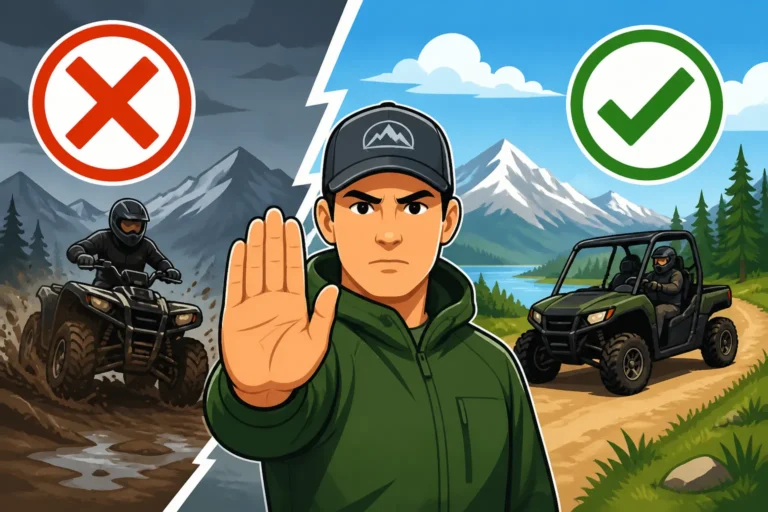
In Alaska, the law specifically mandates helmet use for certain age groups when operating or riding an ATV or UTV. If you are operating an APV, and you are under the age of 16, you must wear a helmet. This isn't a suggestion; it's a legal requirement designed to protect our youngest riders who might not have the experience or reaction time of an adult. This rule extends to passengers as well, meaning if your passenger is under 16, they also need to be wearing a helmet. It's a common misconception that this only applies to the operator, but the law covers anyone riding on the machine in that age bracket. This rule applies whether you're riding a quad, a side-by-side, or another form of APV on public lands. For a deeper dive into this specific age requirement, check out [Alaska Helmet Law for Riders Under 16].
Beyond this, for anyone 16 years of age or older, the state law does not mandate helmet use on an APV, with some important caveats we'll touch on later regarding local ordinances. This means that if you're an adult rider, or your passenger is an adult, the state itself gives you the choice. However, as any experienced Alaskan rider will tell you, "choice" doesn't always equate to "best practice." The vast majority of seasoned riders choose to wear a helmet regardless of age, understanding the severe consequences a head injury can entail in remote backcountry. Many reputable off-road accessory companies, like SuperATV, consistently promote helmet use as a fundamental safety measure, irrespective of legal mandates, highlighting their commitment to rider protection.
What Constitutes a Legal Helmet in Alaska?
When a helmet is required by law in Alaska, it's not just any old piece of headgear. The state specifies that the helmet must meet certain safety standards to be considered legal and provide adequate protection. Specifically, it needs to conform to the standards established by the United States Department of Transportation (DOT) or the Consumer Product Safety Commission (CPSC). These certifications mean the helmet has undergone rigorous testing for impact absorption, penetration resistance, and retention system strength.
You'll usually find a sticker on the back or inside of the helmet indicating its DOT or CPSC certification. Buying a helmet without these certifications, even if it looks protective, means it might not meet the legal requirement for an under-16 rider or passenger. It certainly won't offer the same verified level of protection. Investing in a properly certified helmet is crucial. It’s about ensuring that should an accident occur, the helmet actually does its job. For insights into selecting the right protective gear, the article [Choosing a CPSC Helmet for a Young Rider] provides excellent guidance. Always double-check for that DOT or CPSC label before hitting the trails, especially when outfitting a passenger.
Exceptions to the General Helmet Rule
While the "under 16" rule is pretty clear, it's worth noting some scenarios where helmets might not be legally required, even for younger riders, though safety should always come first. The primary exception to statewide helmet requirements usually revolves around riding on private land. If you are operating an APV exclusively on your own private property and not accessing any public trails, roads, or easements, the state's age-based helmet mandates generally do not apply. This is because state statutes typically govern public access and use.
However, even on private land, common sense and a duty of care dictate that helmets are paramount, especially for children. A significant portion of serious off-road accidents occurs on private property. Furthermore, some local jurisdictions might have stricter ordinances that override the state's private land exceptions, so it's always wise to be aware of your specific area's rules. Another "exception" often misunderstood relates to vehicles not classified as APVs, such as tracked vehicles or certain agricultural equipment, which fall under different regulatory frameworks. However, for standard ATVs and UTVs, the under-16 rule holds unless you're truly isolated on private ground with no public access.
Specific Rules for ATV and UTV Passengers
Now let's get down to the nitty-gritty of carrying passengers. The thrill of sharing an Alaskan trail with someone in your passenger seat or on the back of your quad is undeniable, but it comes with specific responsibilities regarding safety equipment, particularly helmets. Whether it's a child or an adult, understanding these distinctions is key to a responsible and enjoyable ride.
Age-Based Helmet Mandates for Passengers
As we've already established, the cornerstone of Alaska's passenger helmet rules is the age of the individual. If your passenger, whether they're on a single-seat ATV or belted into a multi-seat UTV, is under 16 years old, they must wear a DOT or CPSC-approved helmet. This isn't a suggestion; it's a non-negotiable legal mandate. Law enforcement, like Alaska State Troopers or park rangers, can issue citations for non-compliance, but more importantly, failing to adhere to this rule significantly elevates the risk of severe injury in an accident.
For passengers who are 16 years of age or older, the state law does not impose a mandatory helmet requirement. This means that an adult passenger has the legal right to choose whether or not they wear a helmet. However, choosing not to wear one goes against virtually all recommendations from safety organizations and experienced riders. The dynamic environment of off-road riding, with its unpredictable terrain, potential for rollovers, and proximity to obstacles, presents inherent risks. Even a minor fall or impact can result in a serious head injury if unprotected. While the law might permit the choice for adults, responsible riding culture strongly advocates for helmet use for all passengers, regardless of age. To understand more about what specific items troopers might check for, refer to [What a Trooper Can Ask to See].
Helmets for Passengers in Side-by-Sides vs. ATVs
The type of APV you're riding also subtly influences the discussion around passenger helmets, even if the core legal age requirement remains the same. When carrying a passenger on a traditional ATV (quad), especially a machine designed for single riders, there are often additional concerns beyond just the helmet. Many ATVs are not designed to safely carry a passenger, leading to issues with balance, handling, and potential liability. If you are carrying a passenger on an ATV, which often requires specific modifications or choosing a two-up model, the under-16 helmet rule applies directly to that passenger. For more on this, you might find [Riding Two Up on a Single-Seat Quad in Alaska] helpful.
Side-by-sides (UTVs), on the other hand, are typically designed with multiple seats, seatbelts, and roll-over protection systems (ROPS). While these features offer an added layer of safety, they do not negate the helmet requirement for passengers under 16. Even with a sturdy cage and seatbelts, sudden stops, impacts, or rollovers can cause occupants' heads to strike interior surfaces, making helmet use critical for younger riders. For adult passengers in UTVs, the state law again doesn't mandate a helmet, but the protective benefits are just as significant. The enclosed nature of some UTVs might give a false sense of security; helmets still provide crucial protection against head injuries from impacts within the vehicle or from objects entering the cab.
The Importance of a Securely Fitting Passenger Helmet
It’s not enough to simply have a helmet; it must fit correctly to provide its intended protection. This is especially true for passengers, who might not be as actively engaged in bracing or anticipating impacts as the driver. A helmet that is too large can shift during a ride, obstruct vision, or even come off in an accident. One that is too small will be uncomfortable and could cause pressure points, leading to a distracted and unhappy passenger. For young passengers, a properly fitted helmet is paramount, as their heads are still developing and are particularly vulnerable.
To ensure a secure fit, the helmet should sit squarely on the head, covering the forehead without tilting back. The straps should be snugly fastened under the chin, allowing only one or two fingers to fit between the strap and the chin. When the strap is secured, if you try to move the helmet from side to side or front to back, the skin on the wearer's forehead should move with the helmet. This "skin movement" test confirms a snug fit. If the helmet slides independently, it's too big. Many shops, including those that stock products from brands like SuperATV, can help with proper sizing. Don't guess on helmet size; get it right for maximum protection.
The "Under 16" Rule and Its Impact on Passengers
Alaska’s emphasis on protecting young riders is very clear, and the "under 16" helmet law is a cornerstone of this commitment. This specific rule doesn't just apply to kids driving the machine; it applies equally, if not more, to passengers. As parents, guardians, or even just responsible adult riders, understanding the implications of this law is not just about avoiding a ticket, but about safeguarding the lives of those we bring along for the ride.
Alaska's Under-16 Helmet Law and Passengers
Let's reiterate this crucial point: any passenger on an APV in Alaska who is under 16 years of age must wear a DOT or CPSC-approved helmet. There’s no ambiguity here. This rule applies regardless of whether they're riding a youth quad, a full-size ATV with an approved passenger seat, or a multi-passenger side-by-side. The law is designed to create a blanket of protection for minors who may not fully comprehend the risks involved in off-road activities or have the physical maturity to withstand impacts without serious injury.
Imagine a scenario: you're out riding near the Knik River Public Use Area with your niece and nephew. Your nephew, 14, is driving his own youth quad with a helmet on, while your niece, 12, is riding as a passenger in your UTV. If your niece isn't wearing a helmet, you, as the operator, are in violation of the law. It’s your responsibility to ensure all underage passengers are properly outfitted. This regulation isn't about stifling fun; it's about acknowledging the increased vulnerability of young people and providing a legal framework for their safety. You can learn more about general rules for young riders in [Alaska Rules for a Child Passenger].
Fines and Penalties for Helmet Violations with Young Passengers
Ignoring Alaska’s "under 16" helmet law, especially concerning passengers, carries real financial consequences in addition to the immense safety risks. Law enforcement officers, including Alaska State Troopers and park rangers, have the authority to issue citations for violations. These fines are not insignificant and are designed to be a deterrent, encouraging compliance with vital safety regulations. For a first offense involving a rider under 16 not wearing a helmet, whether they are the operator or a passenger, the fine can be around $25. This might seem low to some, but it quickly escalates.
For a second offense within a certain timeframe, the penalties become more substantial, potentially increasing to $50 or more. The purpose of these escalating fines is to underscore the seriousness of repeated violations. Beyond the monetary cost, receiving a citation can be a hassle, requiring court appearances or mail-in payments, taking away from valuable time you could be spending on the trails. It's far easier, and certainly safer, to ensure every young passenger has a properly fitted, certified helmet before the wheels even start turning. Details on specific fines can be found in [Alaska's Under-16 Helmet Fine] and [Alaska Second Offense Helmet Fines].
Parental Responsibility and Supervising Young Riders
The legal and ethical responsibility for ensuring young passengers are helmeted falls squarely on the shoulders of the accompanying adult, usually the parent or guardian, or the operator of the APV. This is part of the broader duty of care that comes with taking children into potentially hazardous environments. It’s not just about providing the helmet; it’s about ensuring it's worn correctly, fits properly, and is in good condition.
Supervising young riders means more than just watching them. It means leading by example, always wearing your own helmet even if you're over 16, and consistently reinforcing safe riding practices. Before every ride, make it a routine to check that every child has their helmet securely fastened. This proactive approach not only complies with the law but also instills a strong safety culture in young adventurers, teaching them habits that will last a lifetime. Ultimately, the burden of responsibility lies with the adults present to ensure the well-being of their young passengers. The importance of parental supervision is also highlighted in [Alaska Rules for Passengers on a Quad].
Safety Standards and Choosing the Right Helmet for Passengers
Choosing a helmet isn't just about picking one that looks cool; it's about selecting a piece of life-saving equipment that meets rigorous safety standards. For passengers, this is equally, if not more, important, as they might not be anticipating impacts or falls in the same way an operator might. Understanding what makes a helmet safe, how to size it, and how to maintain it, is crucial for anyone riding in Alaska’s backcountry.
Recognizing CPSC and DOT Certified Helmets
When you're shopping for a helmet for yourself or a passenger, the first thing to look for are certifications from either the Consumer Product Safety Commission (CPSC) or the Department of Transportation (DOT). These aren't just arbitrary labels; they represent that the helmet has undergone stringent testing protocols designed to ensure it provides a minimum level of protection. A CPSC-certified helmet means it meets specific impact, positional stability, and strap integrity standards for bicycle helmets, which are often adopted for youth powersports helmets. DOT certification, typically found on motorcycle helmets, involves even more rigorous impact absorption, penetration resistance, and peripheral vision tests, making them suitable for higher speeds and impacts common in powersports.
For the legal requirements in Alaska, a helmet must conform to either DOT or CPSC standards if worn by a rider or passenger under 16. You'll typically find a sticker on the back of the helmet with the DOT symbol, or an internal label indicating CPSC compliance. Don't fall for helmets that make vague safety claims without these specific certifications. These certified helmets are designed to distribute impact forces, prevent penetration, and stay on your head during a crash, significantly reducing the risk of severe head injury. Companies like SuperATV also offer various helmet styles and brands that meet these crucial safety benchmarks, making it easier for riders to find compliant and protective gear.
Sizing and Fit for Optimal Passenger Protection
A helmet, no matter how highly rated, is only effective if it fits properly. This is a critical point for passengers, especially children, whose head sizes can vary wildly. An ill-fitting helmet can be more dangerous than no helmet at all, as it might shift, obstruct vision, or even come off during a collision. To ensure optimal protection, measure the passenger’s head circumference at its largest point, typically about an inch above the eyebrows, and compare it to the manufacturer’s sizing chart.
Once you have a helmet, have the passenger try it on. It should be snug, but not painfully tight. There should be no significant gaps between the helmet's interior and the head. When the chin strap is securely fastened (you should be able to fit only one or two fingers between the strap and the chin), ask the passenger to shake their head side to side and up and down. The helmet should move with their head, without excessive shifting or wobbling. If you can easily rotate the helmet or pull it down over their eyes or up off their forehead, it's too big. Conversely, if it causes pressure points or severe discomfort, it's too small. A properly fitted helmet provides consistent coverage and maximizes its energy-absorbing capabilities, which is vital for any passenger's safety on unpredictable Alaskan terrain.
Helmet Care and Replacement Guidelines
Just like any other piece of safety equipment, helmets require proper care and have a finite lifespan. Helmets are designed to absorb and dissipate impact energy, and the materials used for this (typically EPS foam) can degrade over time due to exposure to UV light, sweat, oils, and general wear and tear. A common guideline is to replace a helmet every five years, even if it hasn't been involved in a crash, due to material degradation. However, if a helmet has been involved in any impact, even a seemingly minor one, it should be immediately replaced. The foam might have compressed in the impact zone, compromising its ability to protect against subsequent hits, even if the damage isn't visible externally.
Cleaning your helmet is also important for longevity and hygiene. Use mild soap and water for the shell and interior padding, avoiding harsh chemicals that can degrade materials. Allow it to air dry completely. Proper storage, away from extreme temperatures and direct sunlight, also helps prolong its life. Taking care of your helmets, both for the operator and passengers, ensures they will perform as intended when you need them most. Neglecting these care and replacement guidelines could mean you're unknowingly relying on compromised safety gear, which is a risk no one should take in Alaska's rugged environment.
Practical Considerations for Riding with Passengers in Alaska
Riding with a passenger adds a whole new dynamic to your off-road experience. While the joy of sharing the scenery and the adventure is immense, it also brings practical challenges and increased responsibilities. From communication to handling, everything changes when you add another person to the machine. Addressing these considerations proactively will make for a smoother, safer, and more enjoyable trip for everyone.
Communicating Safety Expectations with Passengers
Before you even leave the staging area, have a clear and open conversation with your passenger about safety expectations. This is particularly crucial if they are new to ATV or UTV riding. Explain what they should expect from the ride: the bumps, the turns, the lean. Tell them how you expect them to behave – where to hold on, to keep their feet inside the machine, and not to make sudden movements that could unbalance the vehicle. For younger passengers, use simple, direct language and ensure they understand the instructions. Remind them about the importance of their helmet and keeping all gear secure.
This pre-ride briefing is also an excellent time to cover hand signals or verbal cues if you're on a multi-person machine where communication might be difficult over engine noise or wind. For example, a tap on the shoulder could mean "slow down" or "stop." Establishing these protocols beforehand prevents miscommunication on the trail when quick reactions might be necessary. It empowers your passenger to be an active participant in their own safety, rather than just a passive rider.
Carrying Spare Helmets and Gear
When you're venturing into the Alaskan backcountry, preparedness is key. This extends to carrying spare helmets and other essential gear, especially if you anticipate having extra passengers or if someone’s helmet gets damaged. While you might not carry a spare full-face helmet, a lightweight backup, perhaps an open-face or youth helmet that meets CPSC standards, can be a lifesaver if a primary helmet is lost or damaged beyond use in a minor incident. This is particularly true for group rides where passenger configurations might change.
Beyond helmets, consider what other gear your passenger might need. This could include spare gloves, appropriate layers for Alaska’s unpredictable weather, rain gear, and perhaps even some basic first-aid supplies. If you're using a side-by-side, consider adding extra storage solutions from brands like SuperATV to accommodate this additional gear. A well-equipped machine means a more comfortable and safer experience for everyone onboard, allowing you to adapt to changing conditions or unexpected needs without cutting your adventure short. Don't forget other vital safety equipment, as detailed in [Alaska OHV Equipment Requirements].
The Added Weight and Handling Dynamics with a Passenger
Adding a passenger, especially an adult, significantly alters the weight distribution and handling characteristics of your ATV or UTV. This is one of the most critical practical considerations. On an ATV, the added weight on the rear can lighten the front end, affecting steering and stability, particularly on inclines. On a UTV, while the weight is more centrally distributed, it still increases the overall mass, which impacts acceleration, braking distances, and cornering stability. Your machine will simply feel different, and you need to adjust your riding style accordingly.
Always remember that your stopping distance will increase, and your ability to maneuver quickly might be reduced. Take turns slower and be more deliberate with throttle and brake inputs. When traversing uneven terrain or side hills, be extra cautious, as the higher center of gravity with a passenger makes the machine more prone to tipping. Practice riding with a passenger in a safe, open area before tackling challenging trails. Understanding and respecting these changed dynamics is not just about keeping the ride smooth; it's about preventing rollovers and other accidents that can have severe consequences for both you and your passenger.
Local Ordinances and Their Influence on Passenger Helmets
While state law provides a general framework for helmet use in Alaska, it's crucial to understand that local municipalities, boroughs, and communities have the authority to enact their own, often stricter, ordinances regarding APV operation, including helmet mandates. What might be permissible under state law could be a violation in a specific town or borough, especially concerning passenger helmets.
How City and Borough Rules Can Differ
The state of Alaska generally requires helmets only for APV operators and passengers under 16. However, some cities and boroughs, particularly those with more extensive public access roads or specific safety concerns, have passed ordinances that go beyond this. For instance, a community might require all riders and passengers, regardless of age, to wear a helmet when operating an APV within city limits or on specific designated trails. These local rules are typically implemented to enhance public safety, reduce accident severity, and address community concerns about off-road vehicle use.
This patchwork of regulations means that you cannot assume statewide rules apply everywhere. Moving from a rural area with minimal local restrictions to an organized borough or city can dramatically change the legal requirements for you and your passengers. A rider accustomed to the general state rules might inadvertently break local laws if they haven't done their homework. Always consult local regulations before riding in a new area. For more on this topic, refer to [Alaska Municipal ATV Ordinances].
Checking Local Regulations Before You Ride
Given the potential for varied local rules, the most responsible action you can take before riding in any specific area is to check the local ordinances. This might involve visiting the local city or borough website, contacting the local police department or borough assembly office, or even asking experienced local riders. Many communities post their ordinances online, often under sections related to public safety, recreation, or vehicle codes.
For example, while Anchorage generally bans APVs on most public roads, areas like Nome or Bethel have specific ordinances governing APV use on village streets. These ordinances could potentially include universal helmet mandates for all riders and passengers. Even if you're just passing through a community on a designated trail, you need to know if their local rules supersede state law. Making a quick phone call or checking a website can save you from a citation and ensure you're riding respectfully within the community's established guidelines.
Common Local Restrictions You Might Encounter
Beyond universal helmet mandates, local ordinances might impose other restrictions that indirectly affect passenger safety or helmet use. These could include curfews for APV operation, specific noise limits, limitations on where APVs can travel (e.g., prohibiting them from certain streets or parks), or even requirements for additional safety equipment not mandated by the state, such as specific lighting for night riding. Some municipalities might also have very specific rules regarding the number of passengers allowed on a machine, even if it's designed for multiple occupants.
For instance, a city might permit UTVs on certain roads but require all occupants, regardless of age, to wear helmets and have seatbelts fastened, even though the state law only mandates helmets for those under 16. Or, they might restrict children of certain ages from being passengers in an APV on public roads within their jurisdiction. These restrictions are often aimed at minimizing conflicts with other road users, reducing noise complaints, or addressing specific safety concerns within densely populated areas. Being aware of these common types of local restrictions helps you prepare and avoid any unwanted encounters with local law enforcement.
Beyond the Law: Best Practices for Passenger Safety
While understanding and complying with Alaska's legal requirements for passenger helmets is fundamental, true responsible riding goes beyond the letter of the law. Adopting "best practices" means prioritizing safety at all times, making choices that minimize risk, and preparing for the unexpected. When you have a passenger onboard, especially a loved one, these best practices become even more critical.
The "Always Wear One" Philosophy
Even though Alaska state law doesn't mandate helmets for APV passengers aged 16 and over, the overwhelming consensus among safety advocates and experienced riders is to adopt an "always wear one" philosophy. Head injuries are among the most devastating consequences of off-road accidents, and a helmet is the single most effective piece of equipment to prevent or mitigate them. The argument that a helmet restricts vision or hearing is often outweighed by the sheer protection it offers against impacts, scrapes, and flying debris.
Encouraging all passengers, regardless of age, to wear a DOT or CPSC-approved helmet sets a strong safety standard. It creates a consistent habit, removing any confusion about when a helmet is or isn't needed. This philosophy extends to the operator as well; leading by example is powerful. When everyone in your group is wearing a helmet, it reinforces a culture of safety that protects not only individuals but also promotes responsible recreation for the entire community. It’s simply the smartest choice for anyone sharing an Alaskan trail.
Equipping Passengers for Alaska's Diverse Conditions
Beyond the helmet, properly equipping your passengers for Alaska's incredibly diverse and often unpredictable conditions is paramount. The weather can change in a heartbeat, from sunny and warm to rainy, windy, or even snowy, sometimes all within a single ride. Passengers, especially those who aren't actively operating the machine, can get colder faster or be more susceptible to the elements. Ensure they have appropriate layers, including thermal underwear, insulating mid-layers, and a waterproof/windproof outer shell. Even in summer, a warm hat and gloves can be crucial.
Footwear should be sturdy, over-the-ankle boots to protect against impacts, scrapes, and water. Eye protection, such as goggles or safety glasses, is also vital to shield against dust, mud, branches, and insects. Don't forget bug spray in the summer, and a headlamp or flashlight if there's any chance of being out after dark. A well-prepared passenger is a comfortable passenger, and a comfortable passenger is a safer passenger, able to focus on enjoying the ride rather than battling the elements. Companies like SuperATV offer a range of gear and accessories that can help prepare your vehicle and passengers for these conditions.
Preparing for Emergencies with Passengers Onboard
When you have passengers with you, especially children or individuals with specific medical needs, preparing for emergencies takes on an added layer of importance. Beyond the standard emergency kit (first aid, tools, repair kit), consider the unique needs of your passengers. Do you have enough water and snacks for everyone? Does anyone have allergies or require medication? How would you transport an injured passenger if the machine is incapacitated?
Carrying a satellite communication device, like an inReach or SPOT messenger, is a non-negotiable best practice for any Alaskan backcountry travel, but it becomes even more critical with passengers. Cell service is often nonexistent away from the road system. Filing a trip plan with someone responsible back home, detailing your route and expected return time, adds another layer of security. Know basic first aid, especially for common off-road injuries. These preparations aren't about expecting the worst, but about being able to handle it if it occurs, ensuring the safety and well-being of everyone in your care.
Alaska ATV and UTV Passenger Helmet Rules Summary
To help clarify Alaska's passenger helmet rules and related considerations, here's a quick reference table:
| Aspect | Operators < 16 Years Old | Passengers < 16 Years Old | Operators ≥ 16 Years Old | Passengers ≥ 16 Years Old |
|---|---|---|---|---|
| State Law Mandate | Yes, required | Yes, required | No, not required | No, not required |
| Required Helmet Standard | DOT or CPSC | DOT or CPSC | N/A (recommended) | N/A (recommended) |
| Local Ordinances | May be stricter | May be stricter | May be stricter | May be stricter |
| Best Practice | Always wear one | Always wear one | Always wear one | Always wear one |
| Fines for Non-Compliance | Yes, starting at ~$25 | Yes, starting at ~$25 | N/A | N/A |
| Fit Requirement | Snug and secure | Snug and secure | Snug and secure (if worn) | Snug and secure (if worn) |
This table provides a concise overview, but remember that local rules can always add complexity, so checking specific community regulations is always advised.
Disclaimer
This article is for general informational purposes only and does not constitute professional advice. Laws, prices and regulations vary by location and change over time. Consult a qualified professional for guidance on your specific situation.