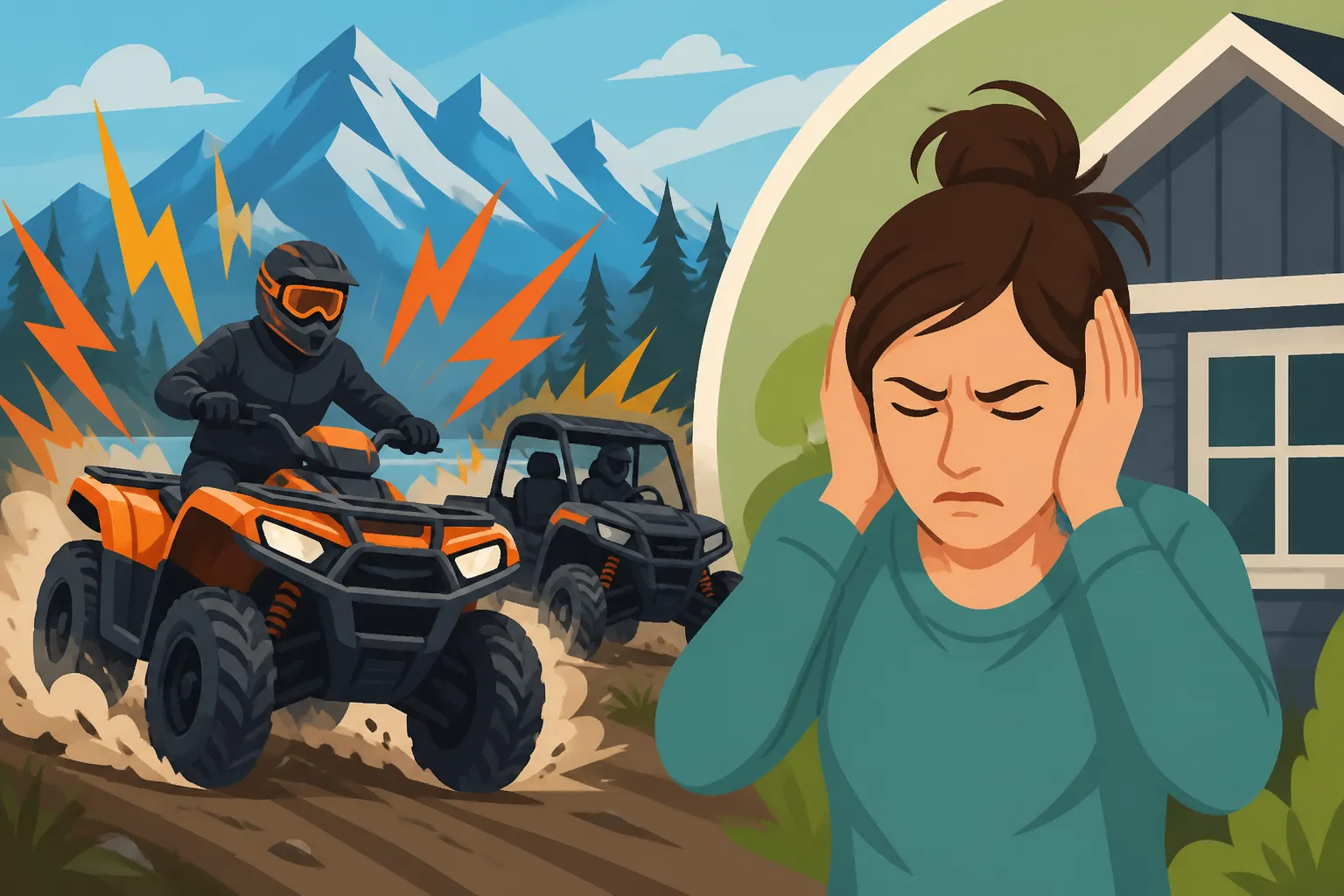
Alaska Noise Complaints About Quads
There’s nothing quite like the sound of a quad or side-by-side humming through Alaska’s vast wilderness, but let's be real: that exhilarating engine roar can quickly become a serious headache when it’s echoing through a quiet neighborhood or disrupting the peace of a remote cabin community. Noise complaints about ATVs and UTVs are a common frustration for both residents seeking quiet and riders trying to enjoy their machines. This guide is here to help you understand why these complaints arise, what Alaska's rules are, how to address them, and most importantly, how to be a considerate rider in our beautiful state.
The Reality of ATV Noise in Alaska Communities
Living in Alaska often means embracing a certain level of ruggedness and outdoor activity, and off-road vehicles are a huge part of that lifestyle for many. However, that doesn't mean every sound is welcome everywhere. When a machine that’s built for power and traversing tough terrain gets too close to residential areas, or even just disturbs the tranquility of a shared public space, it can quickly lead to friction. It’s a delicate balance, and understanding the impact of ATV noise is the first step toward finding common ground.
The Impact of Excessive Noise
Imagine you’ve finally settled into your home in Wasilla or a remote cabin outside Talkeetna, ready to enjoy a peaceful evening, only for a roaring engine to shatter the calm repeatedly. This isn't just an annoyance; it can seriously impact quality of life. For residents, excessive ATV noise can disrupt sleep, interfere with outdoor activities, and simply create an unwelcome sense of disturbance. It can be particularly aggravating in areas where people move specifically for the quiet, like many of our smaller villages or properties bordering vast wilderness.
This isn't just about personal preference; persistent noise can lead to stress, make it difficult for children to play or study, and even affect property values in extreme cases. It's often worse when the noise is continuous, comes from multiple machines, or occurs at odd hours. The occasional pass of an ATV on a designated trail might be accepted, but repeated, aggressive riding with loud exhausts near homes is where the line is usually drawn.
Why ATVs Can Be So Loud
ATVs and UTVs are inherently powerful machines, and that power often comes with a significant sound profile. The design of their engines, the exhaust systems they use, and even the way they're ridden all contribute to the amount of noise they produce. Stock machines typically come with mufflers designed to meet legal noise limits, but these aren't always sufficient for preventing complaints in sensitive areas.
A major contributor to excessive noise is often aftermarket exhaust systems. Many riders upgrade their exhausts for performance gains or a "cooler" sound, often without realizing how much louder these systems can be. While some aftermarket parts are designed to be compliant, others are not. Beyond the equipment, riding style also plays a huge role. Aggressive acceleration, revving engines unnecessarily, or riding at high speeds through residential zones will always generate more noise than a steady, controlled pace. Furthermore, the terrain itself can amplify sound; hard-packed ground, narrow valleys, or riding near structures can cause sound to bounce and carry much further than in open, soft terrain. Even something as simple as a machine struggling up a steep incline can become significantly louder as the engine works harder.
Alaska's Legal Framework for ATV Noise
Alaska generally values its residents' ability to enjoy the outdoors, including riding ATVs and UTVs. However, that freedom comes with responsibilities, especially concerning noise. While there isn't a single, overarching "ATV noise law" that covers every corner of the state with specific decibel limits, a patchwork of regulations exists. Understanding this framework is crucial for both riders and those affected by noise.
Statewide Regulations vs. Local Ordinances
When it comes to ATV noise, you'll find that Alaska operates on two main levels: statewide regulations and local ordinances. The state of Alaska does have general requirements concerning vehicle equipment, including mufflers and exhaust systems, which apply to all "all-purpose vehicles" (APVs) like ATVs and UTVs. For instance, state law dictates that an APV must have an adequate muffler system that prevents "excessive or unusual noise." This is a broad definition, leaving much to interpretation by law enforcement. You can read more about these requirements in [Alaska Muffler and Noise Rules].
However, where things get really specific is at the local level. Many boroughs and cities in Alaska have their own, often stricter, noise ordinances that can directly impact ATV operation. For example, some communities might have explicit curfews for loud vehicle operation or specific decibel limits measured at property lines. Larger communities like Anchorage and Fairbanks have municipal codes that regulate noise, and even smaller towns like Wasilla and Palmer have enacted specific rules regarding APV use, including where they can be ridden and often implicitly, how loudly. These local ordinances are often enacted in response to residents' direct experiences with excessive noise. It's always a good idea to check [Alaska Boroughs With Their Own Rules] or your specific city's municipal code if you're concerned about riding or noise in a particular area.
Equipment Requirements and Enforcement
Alaska state law is quite clear that every APV operated on public land or a public road must be equipped with a muffler that is in "good working order" and "in constant operation." Furthermore, it must be designed to prevent "excessive or unusual noise." What exactly constitutes "excessive or unusual" is often left to the discretion of the officer on the scene, but generally, if your machine is significantly louder than a stock vehicle or is disturbing the peace, you could be in violation. Importantly, state law also prohibits modifying an exhaust system to amplify or increase the noise emitted by the vehicle. This means those loud, straight-pipe exhausts or systems with removed baffles are illegal. [What Counts as a Legal Muffler in Alaska] is a good resource to understand these distinctions.
Spark arresters are also a mandatory piece of equipment for ATVs in Alaska, primarily for fire prevention, but they are also part of the overall exhaust system that helps manage sound. [Alaska Spark Arrester Requirements] details this. Enforcement of these rules typically falls to Alaska State Troopers or local police departments. Troopers conduct [Alaska Equipment Checks by Troopers] periodically, especially in popular riding areas, and could issue citations if a machine's exhaust is found to be non-compliant. The penalties for non-compliance can include fines, and repeated violations could lead to more significant issues. This is why investing in compliant parts from reputable brands like SuperATV, known for a wide range of accessories including exhausts designed to meet regulatory standards, can save you a lot of hassle and potential fines down the road.
How to File a Noise Complaint in Alaska
Experiencing persistent or excessive ATV noise can be genuinely disruptive, and knowing how to effectively address it is important. It’s not about stopping all ATV use, but rather ensuring that riders are respectful of others and operating within legal boundaries. Filing a complaint correctly can lead to action and help restore peace in your community.
Identifying the Source and Type of Noise
Before you pick up the phone, take a moment to gather some details. This will make your complaint much more effective. First, try to identify the source of the noise. Is it coming from a specific property, a nearby public trail, a road where ATVs are illegally riding, or an open riding area? Noting the location helps authorities know who to contact or where to patrol.
Next, consider the type of noise. Is it a continuous drone, intermittent loud revving, backfiring, or aggressive riding that causes a lot of engine noise? What time of day or night does it occur? Is it a one-time event, or a recurring problem? Documenting the date, time, and duration of the noise incidents can be incredibly helpful. If possible and safe to do so, note any identifying characteristics of the machine (color, type – ATV or side-by-side, number of riders) or the rider. You don't need to be a detective, but these details provide crucial context for law enforcement. A simple log on your phone or a notepad can be invaluable.
Who to Contact
Knowing who to call is perhaps the most critical step, as it depends on where you are and the nature of the issue.
- Local Police Department or Sheriff's Office: If the noise is occurring within city limits or a borough with its own police force (like Anchorage, Fairbanks, or Mat-Su Borough), your local police or sheriff's department is usually the first point of contact. They handle noise ordinances and traffic violations on local roads and within populated areas.
- Alaska State Troopers: For issues occurring on state land, in unincorporated areas, or if local police jurisdiction isn't clear, the Alaska State Troopers are the appropriate authority. This is often the case for noise originating from public trails or remote properties outside established city limits.
- Department of Natural Resources (DNR) / State Parks: If the noise is coming from a state park, a state recreation area like the Knik River Public Use Area, or designated state lands, the park rangers or DNR enforcement officers might be the best contact. They manage rules and regulations within these specific areas.
- Borough or City Code Enforcement: Some communities have dedicated code enforcement officers who deal with chronic nuisance complaints, which can include persistent noise. This might be a separate department from the police and worth checking.
When you call, be calm, clear, and provide the details you've collected. Avoid emotional language and stick to the facts. For example, instead of saying "those inconsiderate riders are always making noise," say "Between 7 PM and 9 PM on Tuesday, a red side-by-side was repeatedly revving its engine loudly on the trail behind my property on Elm Street."
The Complaint Process and What to Expect
Once you've filed a complaint, it's important to have realistic expectations. Law enforcement often has many calls to juggle, and an ATV noise complaint, while important to you, might not be classified as an immediate emergency. Here’s a general idea of what might happen:
- Initial Response: An officer or trooper may be dispatched to investigate. Their ability to respond quickly depends on their workload and proximity to the incident. If the noisy activity has stopped by the time they arrive, they may not be able to take immediate action, but your complaint will be logged.
- Observation and Enforcement: If they witness a violation (e.g., an illegal exhaust, excessive noise, or riding in a restricted area), they can issue a warning or a citation. This might include citations related to [Alaska APV Road Rules Explained] if the noise is happening on a public road where APVs are restricted.
- Increased Patrols: For recurring issues, authorities might increase patrols in the affected area, especially during the times you've identified the noise as a problem.
- Community Mediation/Education: In some cases, particularly in smaller communities, authorities or community leaders might try to mediate or educate riders about respectful use, drawing attention to [Alaska Trail Etiquette Locals Expect].
- Long-term Solutions: For persistent, widespread issues, local government might consider new ordinances or designated riding areas, which can be a much longer process.
Remember, one complaint might not solve a chronic problem instantly. Sometimes, it takes multiple complaints from various residents over time to demonstrate a pattern and prompt more significant action. Also, privacy is generally respected, but anonymity for complainants isn't always guaranteed, especially if the issue escalates.
Preventing and Mitigating ATV Noise
For riders, being the subject of a noise complaint is no fun either. It can lead to negative perceptions of the ATV community as a whole and potentially stricter regulations that impact everyone. Being proactive about noise reduction and responsible riding is crucial for preserving access to trails and maintaining good relationships with non-riding neighbors.
Choosing the Right Equipment
One of the most impactful ways to reduce ATV noise is through your equipment choices. The exhaust system is the primary culprit for excessive sound. While it can be tempting to install an aftermarket exhaust that promises more power or a "throaty" roar, many of these systems dramatically exceed legal noise limits and are the quickest way to draw a complaint.
- Stock Exhausts: The best way to ensure compliance is to stick with the original factory exhaust system. Manufacturers design these to meet a balance of performance and noise regulations.
- Compliant Aftermarket Options: If you do choose an aftermarket exhaust, do your homework. Look for systems specifically advertised as "street legal," "trail friendly," or "quiet core" that are designed to keep decibel levels within acceptable limits. Companies like SuperATV offer a range of accessories, including exhaust components and mufflers, that can help maintain legal compliance while potentially offering performance benefits. Always check reviews and product specifications for decibel ratings before purchasing.
- Regular Maintenance: A well-maintained engine runs more smoothly and quietly. Loose parts, worn bearings, or an engine that's running rich can all contribute to excessive noise. Regular service can keep your machine purring (or roaring, but within reason!).
- Sound Dampening Materials: For UTVs, adding sound-dampening materials to the cab or engine compartment can significantly reduce noise for both the rider and those nearby. This can be a game-changer for long rides and community peace alike.
Responsible Riding Practices
Beyond the equipment, how you ride makes a tremendous difference in perceived noise levels. Being a responsible rider is about more than just staying on the trail; it's about being a good neighbor.
- Respect Quiet Hours: Avoid riding late at night or early in the morning, especially near residential areas. Noise carries further in the quiet of the night, making it much more disruptive. Consider when people are likely to be sleeping or enjoying their yards.
- Throttle Control: Unnecessary revving of the engine, especially when stopped or moving slowly, generates a lot of sound that can be perceived as aggressive and inconsiderate. Use smooth, consistent throttle control.
- Designated Trails and Roads: Stick to marked trails and areas where APV use is permitted. Riding illegally on private property or restricted public roads not only creates trespass issues but also increases the likelihood of noise complaints. Always check [Alaska Rules for Riding a Village Street] and local ordinances for specific road use rules.
- Mind Your Speed: While thrilling, high speeds generate more engine noise, tire noise, and overall sound. Reduce your speed when passing homes, campgrounds, or other populated areas.
- Group Rides: If riding in a group, spread out slightly to reduce the cumulative noise impact, and discuss noise etiquette beforehand.
By combining the right equipment with thoughtful riding habits, you can significantly reduce your impact on others and ensure that Alaska's trails remain open and welcoming for all. This aligns with [Alaska Trail Etiquette Locals Expect] and fosters a more positive image for the entire off-road community.
Community Engagement and Education
Sometimes, noise complaints stem from a lack of understanding or communication between riders and non-riders. By engaging with your community and helping to educate others, you can be part of the solution rather than part of the problem.
- Join an ATV Club: Local ATV clubs often advocate for responsible riding, participate in trail maintenance, and work with local authorities. They can be a great resource for information on local regulations and a platform for communicating with the wider community.
- Support Designated Riding Areas: Advocating for, and using, properly planned and maintained riding areas helps concentrate ATV activity away from sensitive zones and provides a safe space for riders to enjoy their sport.
- Open Communication: If you live in an area where ATVs are common and you hear concerns about noise, consider engaging respectfully. Sometimes, a simple explanation of where you're riding and an assurance of responsible behavior can go a long way.
- Be a Role Model: Lead by example. When you ride responsibly, with compliant equipment and mindful of noise, you set a positive example for other riders and demonstrate respect for your community.
By actively participating in these efforts, riders can help change perceptions, prevent conflicts, and ensure that the joys of Alaska ATV and UTV riding can be shared respectfully for generations to come.
Alaska ATV Noise Complaint Overview
| Factor | Description | Who to Contact | Potential Outcome |
|---|---|---|---|
| Location | |||
| City Limits | Within a municipality, often residential areas. | Local Police Department, City Code Enforcement | Warning, Citation (local noise ordinance), Increased Patrols |
| Unincorporated | Outside city limits, rural areas, state land. | Alaska State Troopers, Borough Code Enforcement | Warning, Citation (state muffler law), Increased Patrols |
| State Park/Rec. | Designated state parks, public use areas (e.g., Knik River). | Park Rangers, DNR Enforcement Officers | Warning, Citation (park rules), Area-specific restrictions |
| Nature of Noise | |||
| Persistent Revving | Unnecessary, repeated engine acceleration. | All listed above | Complaint logged, potential officer observation, rider education |
| Excessive Loudness | Machine significantly louder than stock, aftermarket exhaust. | All listed above | Warning, Citation (muffler non-compliance), Equipment check |
| Late/Early Hours | Noise during traditional quiet hours (e.g., after 10 PM, before 7 AM). | All listed above | Increased urgency for response, specific time-based citations |
| Evidence | |||
| Detailed Info | Date, time, location, machine description, rider details (if safe). | All listed above | More effective response, higher chance of identifying offender |
| Recurrence | Ongoing problem over days/weeks. | All listed above | Increased patrols, potential long-term enforcement strategy |
Disclaimer
This article is for general informational purposes only and does not constitute professional advice. Laws, prices and regulations vary by location and change over time. Consult a qualified professional for guidance on your specific situation.