Alaska Mud and Snow Flap Rules
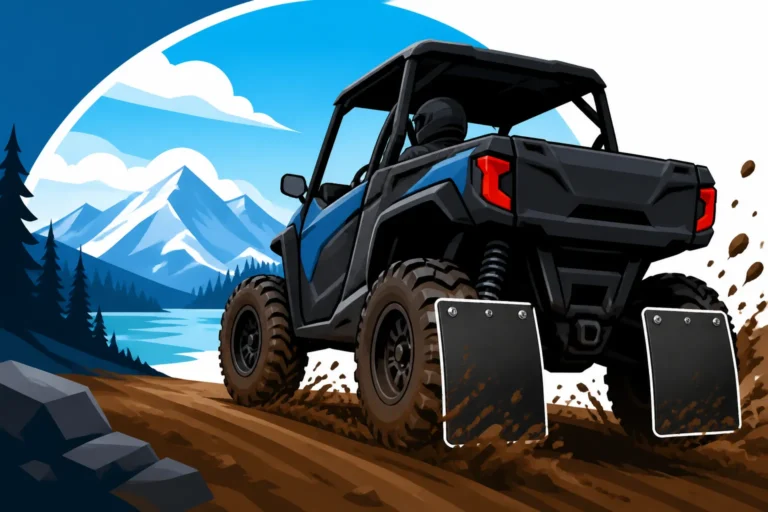
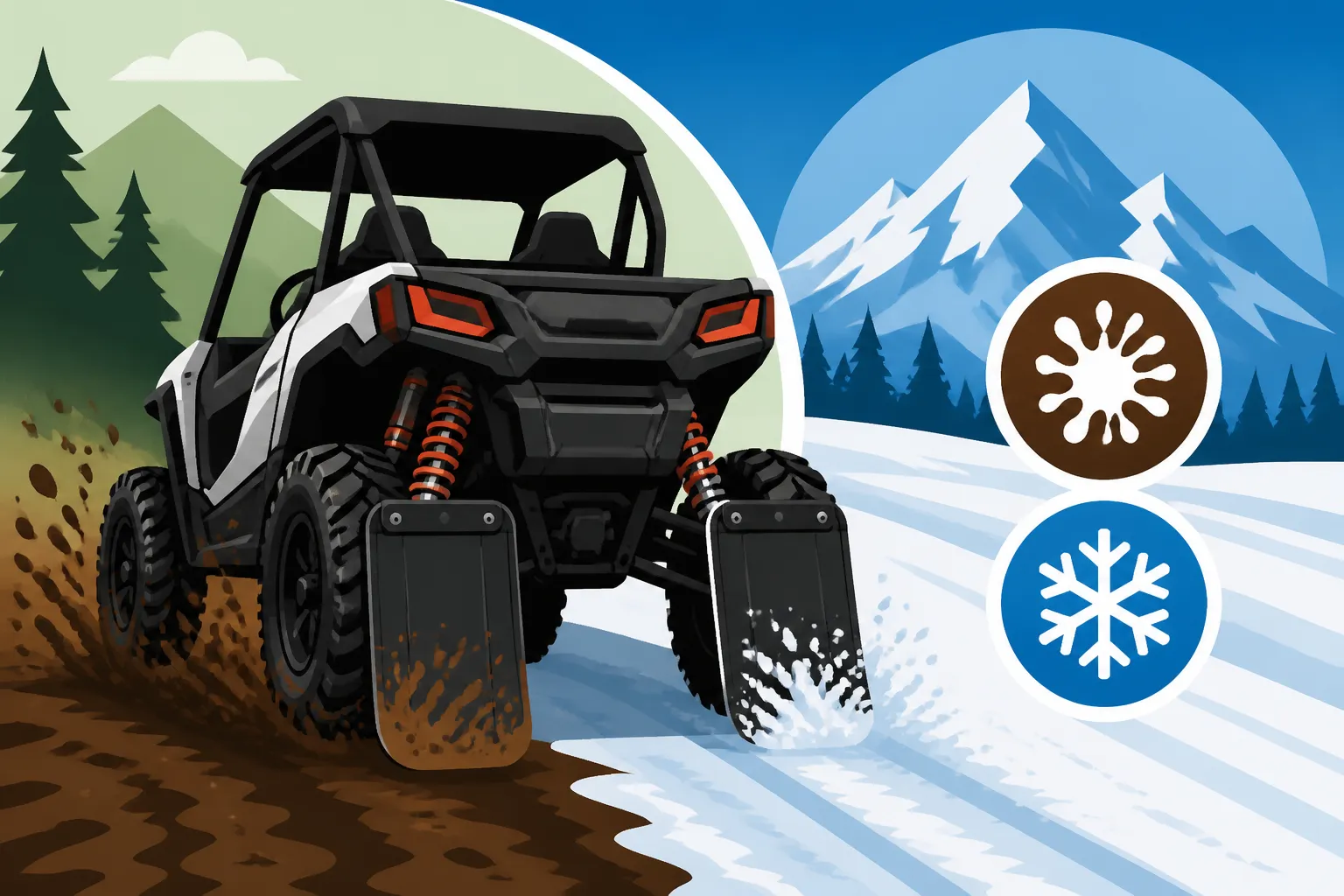
Ah, the joys of riding Alaska's incredible trails and gravel roads! There's nothing quite like the feeling of fresh air, stunning scenery, and the rumble of your machine beneath you. But let's be honest, those exhilarating rides often come with a less-than-glamorous aftermath, especially when you encounter a particularly muddy stretch or hit that unexpected slush puddle in late spring. Suddenly, the rooster tail behind your tires isn't just a cool visual; it's a spray of mud, rocks, or icy slush that can obscure visibility for anyone behind you, including fellow riders and full-sized vehicles sharing the road. This guide is all about navigating Alaska's rules and practicalities for mud and snow flaps on your ATV or UTV, ensuring you're compliant, courteous, and comfortable on every ride.
Why Mud and Snow Flaps Even Matter on Alaska Roads
It might seem like a small detail in the grand scheme of outfitting your rig for Alaska, but mud and snow flaps serve a crucial role, especially when you venture onto public roads or shared access points. They're not just about aesthetics or keeping your machine spotless; they're a fundamental part of responsible riding, impacting safety, courtesy, and even the longevity of your ATV or UTV.
Protecting Other Road Users
Imagine you're driving down a gravel road in the Mat-Su Valley, and an ATV or UTV passes you, kicking up a massive spray of mud and small stones. If you've been there, you know the frustration: suddenly your windshield is splattered, visibility drops to zero, and you're left wondering if that wasn't a rock that just chipped your paint. This isn't just annoying; it's a safety hazard. Mud and snow flaps are designed to contain that spray, minimizing the debris thrown backward. This small act of prevention can save a fellow motorist from a cracked windshield, a sudden loss of visibility, or simply a dirty vehicle that requires an immediate trip to the car wash. It's all about sharing the road safely and courteously, whether you're on a remote forest service road or crossing a highway.
Environmental Considerations and Trail Impact
While the primary legislative focus of mud flaps is usually road safety, there's also an environmental ripple effect to consider. When your tires fling mud and debris off your machine, especially off-road, it can sometimes contribute to trail degradation over time. More directly, containing the spray helps keep foreign materials like seeds or small plant fragments from being inadvertently transported from one area to another. This is particularly relevant in delicate ecosystems or when traversing different regions, helping to prevent the spread of invasive species, even if it's not the explicit legal driver for flaps on Alaska roads. It's a subtle way that responsible riding, including proper equipment, can contribute to preserving the natural beauty we all enjoy.
Machine Preservation and Maintenance
Let's face it, our machines take a beating out here. Riding through mud, slush, and gravel means constant bombardment of your ATV or UTV's underside, suspension components, and even the rear cargo areas. Without adequate mud and snow flaps, these parts are exposed to a relentless sandblasting effect. Over time, this can lead to accelerated wear and tear on shock absorbers, brake lines, electrical wiring, and even the paint and finishes on your frame. By installing effective flaps, you create a barrier that deflects much of this abrasive material, extending the life of your components and reducing the frequency of costly repairs and intensive cleaning. Think of them as an added layer of armor, helping your machine withstand the rigors of Alaskan riding.
Alaska's Specific Rules for Mud and Snow Flaps
Alaska is unique in many ways, and its approach to ATV and UTV usage on public roads and trails is no exception. While ATVs and UTVs (categorized as All-Purpose Vehicles or APVs) have certain allowances to operate on roads here, those privileges come with specific responsibilities, including equipment requirements designed to ensure safety for everyone.
The Letter of the Law
When it comes to equipment, Alaska law generally specifies that if an APV is operating on a highway or public road, it must be equipped with certain features. This includes appropriate lighting, brakes, a muffler, and critically, "mud flaps or other splash guards" when necessary. The intent is clear: to prevent the vehicle from throwing debris onto other vehicles or pedestrians. It’s not just a suggestion; it’s a requirement designed to ensure that when your machine is on a designated road, it’s not creating a hazard. This rule applies whether you're just crossing a highway to get to a trail or driving down a village street. For a deeper dive into overall road rules, check out [Alaska APV Road Rules Explained].
The key here is understanding that "when necessary" often implies any time you're on a hard-packed surface, gravel road, or any area where your tires could reasonably sling material. A good rule of thumb is that if there's potential for spray, you should have flaps.
What "Adequate" Really Means in Practice
The law usually uses terms like "adequate" or "sufficient" when describing equipment like mud flaps, which can sometimes leave riders scratching their heads. What exactly constitutes "adequate" in the eyes of a trooper or a DMV official? In practice, it means that the flaps should be wide enough to cover the full width of your tire tread and extend down low enough to effectively catch the spray thrown by the tire. They shouldn't be decorative, flimsy strips, but rather robust barriers designed for the job.
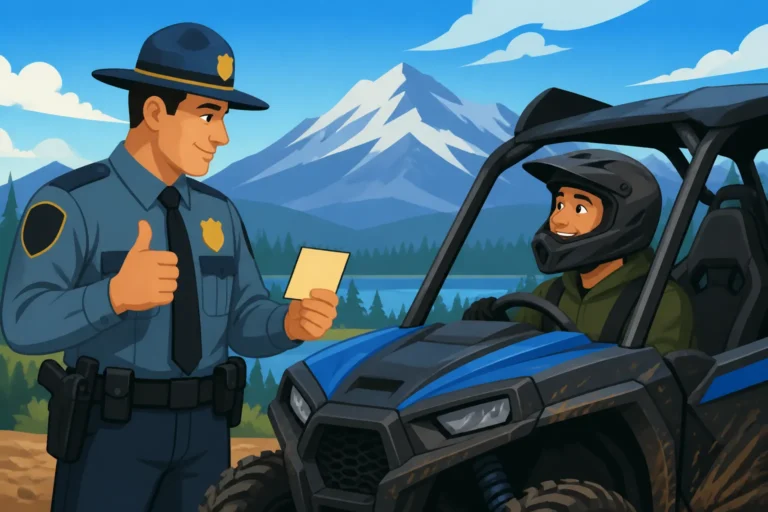
Imagine a situation where you’re pulled over by an Alaska State Trooper. They’re not going to be measuring your flaps with a ruler, but they will be looking for common sense and effectiveness. If your machine is clearly slinging mud or gravel far behind it despite having flaps, those flaps are likely not considered "adequate." The spirit of the law is to prevent projectiles and spray, so your equipment should fulfill that purpose. Many riders opt for aftermarket solutions that provide more coverage than factory-installed, minimal splash guards.
Differences for Various Machine Types
While the general rule for mud and snow flaps applies across the board for APVs operating on public ways, the practical application can look a bit different depending on your machine.
- ATVs (Quads): Many sport ATVs, especially older models, come with minimal or no integrated splash guards. Riders frequently need to add aftermarket flaps that attach to the rear fender or a custom bracket.
- UTVs (Side-by-Sides): UTVs often have larger fenders and sometimes come with small, integrated mud flaps. However, given their wider stance and the significant spray they can generate, many UTV owners find that factory flaps are insufficient, especially with larger, aggressive tires. Upgrading to larger, more robust flaps, sometimes extending from the wheel wells, is common.
- Dirt Bikes and Motorcycles: While these aren't typically categorized as APVs in the same way, the spirit of "preventing debris" is why most street-legal motorcycles have fenders. Dirt bikes are usually restricted from road use precisely because they lack many of these street-legal features, including comprehensive splash protection.
The key takeaway is that regardless of your machine type, if you're taking it on a road where a full-sized vehicle might operate, you need to ensure your mud and snow flaps are genuinely effective at containing spray. If you're unsure about overall equipment requirements, delving into [Alaska OHV Equipment Requirements] can offer more clarity.
Choosing the Right Flaps for Alaska's Conditions
Alaska throws a lot at your machine, from deep, sticky mud in spring and fall to powdery snow in winter, and gravel year-round. Choosing the right mud and snow flaps isn't just about meeting legal requirements; it's about selecting equipment that can stand up to these diverse conditions while performing its job effectively.
Material and Durability Considerations
The material your mud flaps are made from is crucial, especially in Alaska's extreme temperatures.
- Heavy-Duty Rubber: This is a popular choice for good reason. Rubber flaps offer excellent flexibility, which is vital in sub-zero temperatures when plastic can become brittle and crack. They're also highly durable, able to absorb impacts from flung rocks without tearing or shattering. Many riders swear by thick, commercial-grade rubber for its longevity and performance.
- Durable Plastics/Composites: Some aftermarket flaps are made from specialized, high-impact plastics or composites. These can be lighter and may offer more rigid shapes, which can be advantageous for specific fender designs. However, ensure they are rated for extreme cold and impact resistance if you plan to ride in winter. A brand like SuperATV offers a range of durable options, often using robust materials designed for off-road abuse, which can be an excellent choice for Alaskan conditions.
When making your choice, think about how often you ride in the cold, the kind of terrain you frequent, and your budget. Investing in higher quality, more durable materials upfront often saves you money and hassle in the long run.
Size and Coverage Considerations
"Adequate" coverage isn't just about the material; it's about the dimensions.
- Width: Your mud flaps should ideally be at least as wide as your tire's tread, or even slightly wider, to effectively catch all the spray. If your tires protrude beyond your fenders, you'll need wider flaps to compensate.
- Length: The length of the flap is equally important. While there's no precise measurement mandated by law, the general principle is that they should extend low enough to prevent debris from being thrown up and over the flap. Many riders aim for the bottom edge of the flap to be just a few inches off the ground, especially when the machine is loaded. This allows for suspension travel without dragging while maximizing spray containment.
- Customization: For many riders, off-the-shelf universal flaps aren't quite enough. Custom-cut rubber sheets or extended fender flares can provide superior coverage, especially if you've installed larger, wider, or more aggressive tires that throw more material.
A common oversight is installing flaps that are too short or too narrow. While they might technically be "flaps," they won't meet the spirit of the law if they don't actually contain the spray.
Installation Tips and Tricks
Proper installation is key to ensuring your mud and snow flaps do their job and stay on your machine.
- Secure Mounting: Flaps need to be securely fastened to withstand vibration, impacts, and the force of flung mud and snow. Heavy-duty bolts, large washers (to prevent pull-through), and locking nuts are usually preferred over flimsy screws or rivets, especially if you're adding them to a plastic fender. Consider using a backing plate if mounting to thin plastic.
- Positioning: Before drilling, hold the flap in place, consider your tire size and suspension travel, and mark your mounting points carefully. Ensure they're positioned to effectively block spray without interfering with your tires or suspension components at full compression or turning.
- DIY vs. Professional: Many riders successfully install mud flaps themselves with basic tools. However, if you're uncomfortable with drilling into your machine or fabricating brackets, a professional off-road shop can handle the installation for you. SuperATV, for instance, often provides detailed instructions for their products, making DIY installation easier for those who are handy. Remember, for those gravel roads where flaps are vital, like when you're riding [Alaska Rules for Riding a Gravel Road], secure installation means consistent protection.
Beyond the Law: Practical Benefits of Flaps for Alaska Riders
While the legal requirements for mud and snow flaps are primarily focused on public safety, these humble accessories offer a wealth of practical benefits that enhance the riding experience for you, your passengers, and your machine, especially when you consider the unique challenges of Alaskan terrain.
Keeping Yourself and Your Gear Cleaner
Let's be real, nobody enjoys being caked in mud or drenched in slush. Even with proper riding gear, a relentless spray from your own tires can quickly turn an enjoyable ride into a chilly, messy ordeal. Mud and snow flaps significantly reduce the amount of grime that gets thrown onto your back, your passenger, and any gear stowed in your cargo box or on a rack. This means less time scrubbing yourself and your clothes, and more time relaxing after a long day on the trails.
Imagine a long day on the [Denali Highway Riding in Alaska] in late fall, where mud is almost guaranteed. Having effective flaps means arriving at your destination far less soaked and dirty, which is a huge comfort when temperatures drop and the nearest wash station is miles away. It's a simple improvement that makes a big difference in personal comfort.
Enhancing Visibility in Inclement Weather
This benefit goes beyond just protecting other drivers. When you're riding in wet or snowy conditions, your own tires can kick up a constant mist or curtain of spray that can obscure your view, especially in a side-by-side where you're sitting within the vehicle's footprint. Effective mud and snow flaps reduce this self-generated spray, improving your forward visibility. This is particularly crucial when you're riding after dark or in low-light conditions, where spray can diffuse your headlights and make it harder to discern obstacles. Good visibility is a cornerstone of safety, and flaps play a subtle but important role. Speaking of visibility, it's a good time to review [Alaska Lighting Rules on a Machine] and [Alaska Reflector Requirements] to ensure you're fully equipped for safety.
Minimizing Wear and Tear on Your Machine
We touched on this earlier, but it bears repeating: the constant bombardment of rocks, sand, and mud acts like an abrasive grinder on exposed parts of your ATV or UTV. Flaps act as a shield, protecting not just the cosmetic finish, but critical components like CV boots, brake calipers, wiring harnesses, and suspension linkages. Less direct impact from debris means:
- Extended Component Life: Your expensive suspension parts, bearings, and driveline components won't wear out as quickly.
- Reduced Corrosion: Less mud and slush packing into crevices means less moisture retention, which helps mitigate rust and corrosion, a constant battle in Alaska.
- Easier Cleaning: When your machine gets less caked in the first place, cleaning becomes a much quicker and less strenuous task. This means more time riding and less time with the pressure washer.
These benefits translate directly into lower maintenance costs and more reliable performance over the long haul – something every Alaska rider appreciates.
Potential Issues and Common Rider Mistakes
Even with the best intentions, riders sometimes make mistakes when it comes to mud and snow flaps, leading to compliance issues, poor performance, or even damage. Being aware of these common pitfalls can help you avoid them.
Flaps That Are Too Short or Too Narrow
This is perhaps the most common mistake. A rider might install universal mud flaps that look okay on paper, but in practice, they don't provide sufficient coverage.
- Too Short: If the flaps don't extend low enough, the tires will still generate a significant rooster tail that simply goes over the top of the flap, especially at speed. The goal is to contain the spray, not just partially deflect it. This is especially problematic if your suspension compresses, effectively shortening the flap's functional length.
- Too Narrow: Many aftermarket tires are wider than stock, and if your flaps aren't wide enough to cover the entire tread width, material will still be flung off the sides. This is particularly noticeable with aggressive treads designed to dig into mud and snow.
The result of insufficient flaps is that you're technically "compliant" by having a flap, but you're still creating a hazard for others and still getting yourself and your machine covered in grime. Remember the "adequate" standard; a small, ineffective flap might not cut it if a trooper stops you to check [What a Trooper Can Ask to See].
Damage and Maintenance
Mud flaps, by their very nature, are exposed to harsh conditions.
- Tearing or Ripping: Heavy impacts from rocks, snagging on brush, or even just repeated flexing in extreme cold can cause flaps to tear or rip off entirely. Flimsy mounting hardware exacerbates this problem.
- Getting Caught: Flaps that are too long can sometimes get caught on obstacles, especially when backing up, or when traversing deep ruts or snowdrifts. This can rip the flap, damage the fender, or even interfere with the tire.
- Neglect: Just like any other part of your machine, flaps need occasional inspection. Check for cracks, tears, loose mounting hardware, or signs of wear. Ignoring these issues can lead to a flap detaching during a ride, potentially creating a hazard or requiring a makeshift repair in the field.
A regular pre-ride check should always include a quick look at your mud flaps, especially before embarking on a long journey or heading into challenging terrain.
Ignoring the Rules and Potential Consequences
While an Alaska State Trooper might give a verbal warning for a minor infraction, deliberately operating an APV on a public road without adequate mud and snow flaps can lead to citations. These fines might not break the bank, but they are an unnecessary expense and a hassle. More importantly, riding without proper flaps is simply irresponsible and unsafe. If your machine causes a rock to chip another vehicle's windshield, you could potentially be held liable for damages, which is a much bigger headache than a simple ticket.
This is especially true when roads are shared by various users, from commuters to other recreationalists. When you're out riding, especially during the muddy conditions of [Alaska Rules for Riding in Breakup], remember that your actions impact others. Being a responsible rider means adhering to all equipment requirements, not just the ones that seem most obvious.
Maintaining and Upgrading Your Flap Setup
Ensuring your mud and snow flaps are always up to snuff is an ongoing process. Alaska's dynamic conditions and the sheer abuse our machines endure mean that these components need regular attention, and sometimes, a thoughtful upgrade can make all the difference.
Regular Inspection and Cleaning
Making a quick check of your mud flaps part of your pre-ride routine is a simple habit that pays dividends. Look for:
- Tears or Cracks: Especially in rubber, look for any signs of fatigue or damage that might indicate a flap is about to fail. For plastic, check for brittle spots or stress cracks.
- Loose Hardware: Vibration can loosen bolts and nuts over time. Give your flaps a gentle tug to ensure they're still securely mounted. Tighten anything that feels wobbly.
- Debris Buildup: In winter, heavy snow and ice can pack behind or on top of flaps, altering their shape or adding significant weight. In summer, caked mud can be surprisingly heavy and abrasive. Clear away any significant buildup to ensure the flaps can move freely and aren't subject to undue stress.
- Tire Clearance: Over time, if your suspension sags or if you've done any modifications, re-check that your flaps aren't rubbing your tires during full suspension compression or steering.
A clean flap is also an effective flap. Wash off heavy mud and grime to keep the material supple and to make inspections easier.
Aftermarket Options and Customization
If your factory splash guards aren't cutting it, or if they've been damaged beyond repair, the aftermarket offers a vast array of solutions.
- Universal Mud Flaps: Available in various sizes and thicknesses, these are often large sheets of rubber or composite material that you can cut to fit and mount to your existing fenders or custom brackets. This allows for maximum customization to your specific machine and tire setup.
- Fender Flares and Extensions: Many companies, including SuperATV, offer extended fender flares or add-on kits specifically designed for popular ATV and UTV models. These not only provide increased mud and snow protection but also often enhance the aggressive look of your machine. They typically mount directly to your existing fenders, extending the coverage laterally and sometimes vertically.
- Custom Fabrication: For riders with unique needs or heavily modified machines, fabricating custom mud flap mounts or even entire fender extensions from scratch might be the best option. This allows for a perfect fit and maximum protection, though it requires more skill and specialized tools.
When considering upgrades, think about the maximum width and height of your tires, your typical riding conditions, and the aesthetic you're aiming for. An upgrade isn't just about compliance; it's about making your machine more functional and enjoyable to ride in Alaska's challenging environment.
Seasonal Adjustments
While not typically necessary for mud and snow flaps themselves, some riders consider minor seasonal adjustments or different flap styles for extreme conditions.
- Winter Riding: In deep, powdery snow, very long flaps can sometimes drag or scoop snow, potentially putting stress on mounting points. While generally not an issue for typical road use, if you're venturing into very deep powder, it's something to be aware of. The flexibility of rubber flaps is especially valued in winter to prevent cracking.
- Breakup Conditions: During [Alaska Rules for Riding in Breakup], when mud is at its absolute worst, having the most robust and widely extended flaps possible is a huge advantage. This is where those extra-wide fender extensions truly shine.
Ultimately, your mud and snow flaps are a small but mighty part of your APV's safety and functionality. By understanding the rules, choosing wisely, and keeping them maintained, you'll be well-equipped for whatever Alaska's roads and trails throw your way.
Disclaimer
This article is for general informational purposes only and does not constitute professional advice. Laws, prices and regulations vary by location and change over time. Consult a qualified professional for guidance on your specific situation.