Alaska Equipment Checks by Troopers
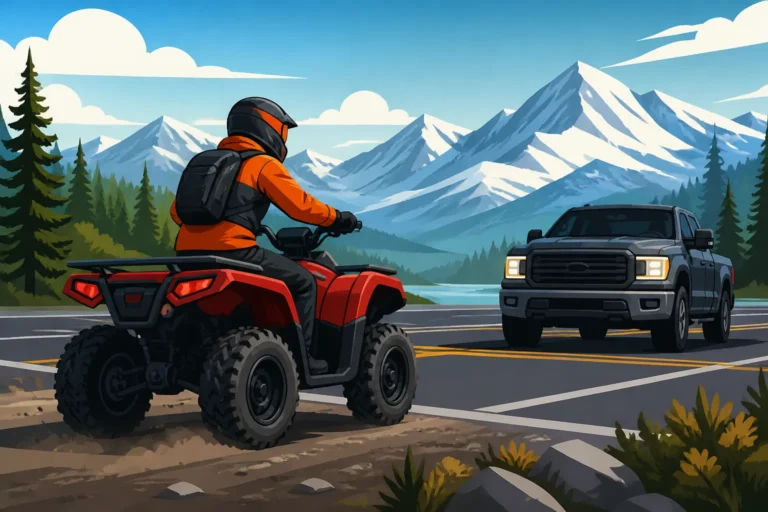
It's an all too common scenario for riders across Alaska: you're out enjoying a beautiful day on your ATV or UTV, perhaps heading to a favorite fishing spot or just cruising a section of approved public road, when suddenly you see those familiar flashing lights in your rearview. The thought instantly pops into your head: "Is my machine legal? Did I miss something?" Nobody wants to get a ticket or, worse, have their day cut short because of an overlooked piece of equipment. This guide is here to walk you through exactly what Alaska State Troopers are looking for when they conduct equipment checks on ATVs and UTVs on public roadways, so you can ride with confidence and keep those wheels turning legally.
What Alaska Law Requires of Your Machine on Public Ways
When you decide to take your ATV or UTV onto any public roadway in Alaska – even just to cross a highway or ride a designated shoulder – you're essentially telling the state that your machine is ready for that environment. This means it needs to meet a specific set of equipment requirements designed for safety and visibility, much like any other vehicle on the road. The frustration many riders feel comes from the difference between what's perfectly fine for a remote trail and what's mandated for a road. It's not always intuitive, but understanding these rules is your first line of defense against an unexpected stop.
Essential Safety Equipment for Road Use
First and foremost, your machine needs to be seen and heard appropriately. This isn't just about avoiding a ticket; it's about your safety and the safety of everyone else on the road, whether they're in a car or on another off-highway vehicle. Think of it this way: if a car can't see you coming or going, or if your machine is so loud it's a nuisance, you're creating a hazard.
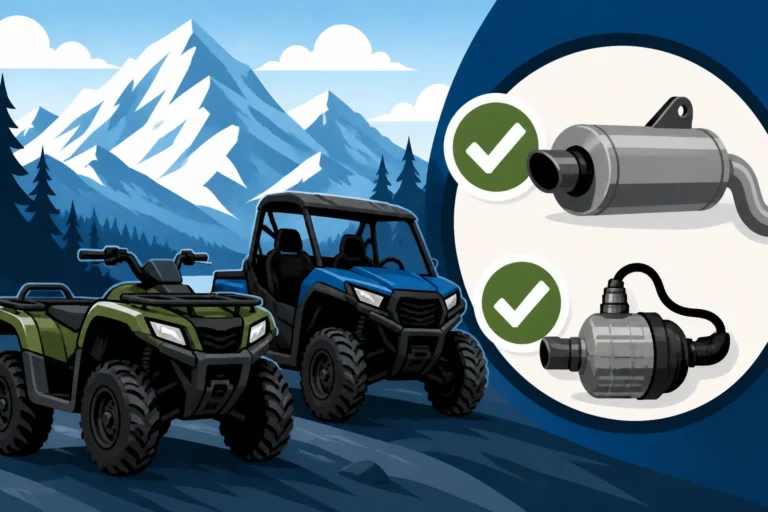
Alaska law is pretty clear on the basics. You must have working headlights and taillights. These aren't just for looking cool; they need to be visible from specific distances. For instance, your headlight needs to be visible for at least 100 feet in front of you, and your taillight must be visible from 1,000 feet to the rear. Additionally, you'll need at least one red reflector on the rear of your machine, also visible from 1,000 feet. Many modern machines come with these as standard, but wear and tear, mud, or aftermarket modifications can sometimes render them non-compliant. Don't forget about brake lights; they need to activate when you apply the brakes, clearly signaling your deceleration to anyone behind you. Beyond lighting, reliable brakes are absolutely non-negotiable for safety. A trooper will definitely check to make sure your brakes are responsive and effective. Finally, your machine must be equipped with an adequate muffler to keep noise levels reasonable, and it needs a spark arrester to prevent forest fires, especially crucial in dry Alaska summers. These are fundamental requirements for operating on any public way in the state, and a quick glance by a trooper will easily reveal if they're missing or not functioning. You can learn more about specific sound and emission rules by looking into [Alaska Muffler and Noise Rules] and [Alaska Spark Arrester Requirements].
Throttle, Mud Flaps, and Body Panels
Beyond the primary lighting and braking systems, there are other, sometimes less obvious, equipment requirements that troopers are trained to look for. These details might seem minor, but they contribute significantly to overall safety and responsible operation on public roads. It's often these smaller points that catch riders off guard.
One such requirement is a self-closing throttle. This is a crucial safety feature, ensuring that if you lose your grip on the throttle, it immediately returns to an idle position, preventing uncontrolled acceleration. Imagine hitting a bump, your hand slipping, and the machine continuing to accelerate – it's a terrifying thought, and a self-closing throttle is designed to prevent it. Many new ATVs and UTVs come with this built-in, but older machines or those with aftermarket throttles might need a check to ensure compliance. Another common point of inspection is mud flaps. While they might seem like a simple accessory, mud flaps are required to prevent your tires from kicking up rocks, mud, and other debris onto following vehicles or pedestrians. This is especially important on Alaska's gravel roads or during breakup season. SuperATV offers a variety of durable mud flap options that can help ensure your machine meets this requirement while also protecting your ride. Lastly, Alaska law generally requires that your machine have intact body panels. This isn't just for aesthetics; missing or severely damaged body panels can expose moving parts, create sharp edges, or allow debris to be thrown, posing a safety risk. A trooper isn't looking for showroom perfect, but they are looking for a machine that appears structurally sound and safe for public interaction.
What Troopers Are Looking For During a Stop
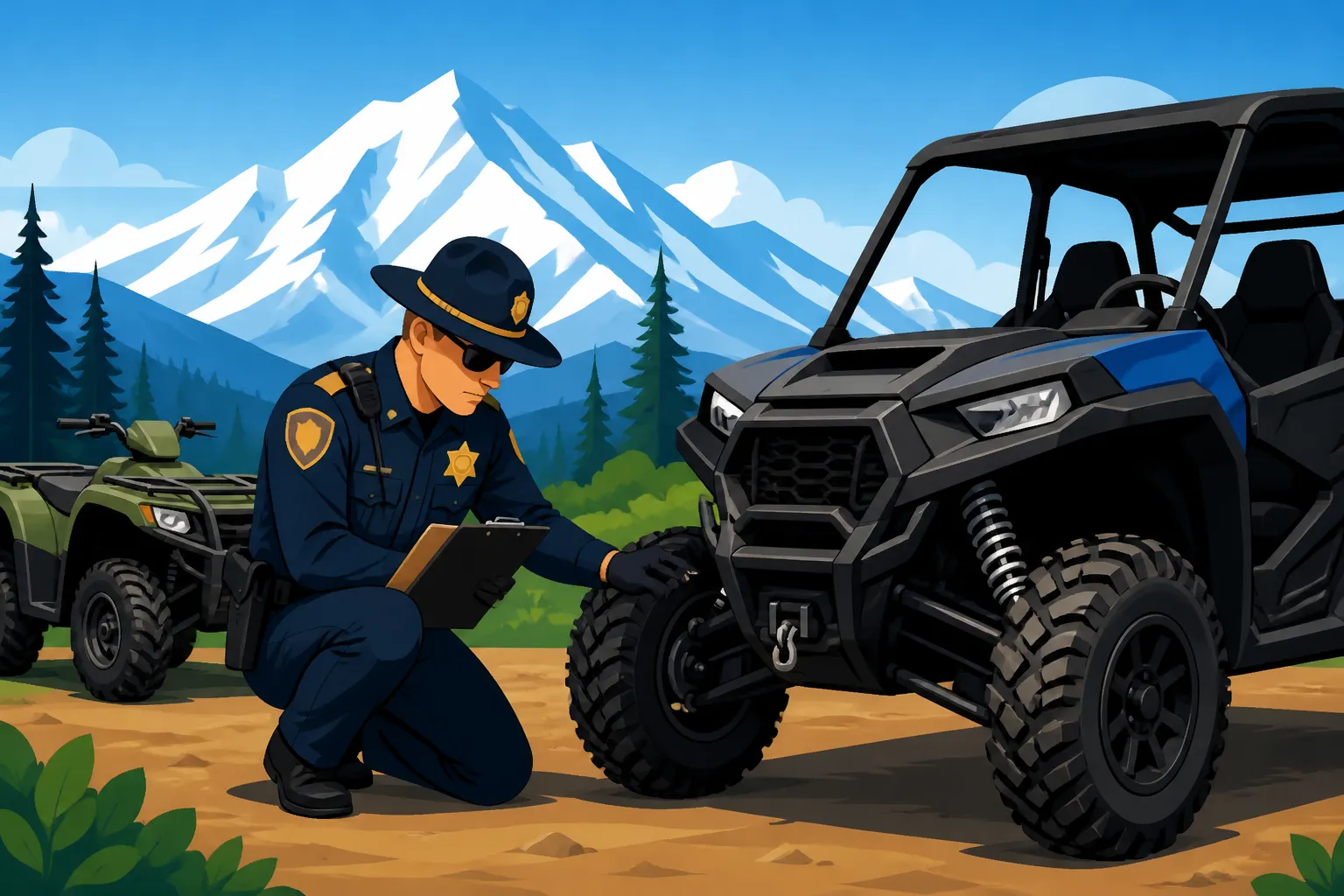
When a trooper pulls you over, they aren't just making a random guess; they're likely responding to something they've observed, or they're conducting a routine check in an area known for OHV use. They are trained to quickly assess the compliance of your machine with state regulations. Understanding their checklist can help you anticipate their questions and prepare your vehicle. It’s not about tricking anyone, but about genuinely having your machine in legal order.
Visibility and Lighting Performance
One of the most immediate things a trooper will check is your machine's visibility, especially if you're riding at dusk, dawn, or after dark. This is because proper lighting is critical for preventing accidents involving other vehicles. They’ll likely ask you to demonstrate your lights.
They'll want to see that your headlight is shining brightly and that its beam is visible for the required 100 feet ahead. They might even get off their patrol vehicle and walk around your machine to verify the taillight and rear reflector are visible from 1,000 feet back. This isn't just about the bulb being on; it's about the intensity and clarity. A headlight or taillight obscured by mud or snow, even if the bulb is working, can still result in a citation because it fails to meet the visibility standard. Brake lights are another crucial check; the trooper will likely ask you to apply your brakes to ensure they illuminate promptly. Many riders have experienced a burnt-out bulb they weren't aware of, which can be an honest mistake, but it's still a violation. This is why a pre-ride inspection of all your lights is incredibly important before venturing onto any public way. Remember, good visibility protects both you and others on the road, especially in Alaska’s often changing light conditions. For enhanced visibility, consider upgrading to high-quality LED lights from a brand like SuperATV, which can withstand harsh Alaskan conditions.
Sound, Emissions, and Physical Condition
Beyond lights, troopers will pay attention to how your machine sounds and its general physical integrity. These aspects are often indicators of whether an OHV is being operated responsibly and respectfully within the community.
The sound your machine makes is a big one. An excessively loud ATV or UTV not only disturbs the peace but can also be a sign of a modified or damaged exhaust system. Troopers are trained to recognize when a muffler is missing, has been "gutted," or if an exhaust cutout has been installed, all of which are generally prohibited on public roads. They're specifically looking for compliance with [Alaska Muffler and Noise Rules]. Similarly, the presence of a spark arrester is often checked. This simple device, typically located within the muffler, is crucial for preventing hot carbon particles from escaping the exhaust and igniting dry grass or brush. While it might be hard for a trooper to visually confirm a spark arrester without specialized tools, they can often tell if one is missing or if the exhaust system has been tampered with. Your machine's overall physical condition also matters. Are all the required mud flaps present and functional? Are your body panels intact, or are there significant pieces missing that could pose a hazard or allow debris to fly? While minor cosmetic damage is usually overlooked, major structural issues or obvious safety deficiencies will certainly draw a trooper's attention.
Beyond Equipment: Documents and Rider Compliance
It's easy to focus solely on the physical aspects of your machine when thinking about a trooper stop, but it's crucial to remember that personal documentation and rider behavior are equally important. Even if your ATV or UTV is perfectly equipped, lacking the proper paperwork or violating rider age/helmet laws can lead to a citation just as quickly. Troopers are not just vehicle inspectors; they are law enforcement officers enforcing all applicable regulations.
Registration, License, and Insurance Checks
Just like driving a car, operating an ATV or UTV on public roads in Alaska comes with specific documentation requirements. A trooper will almost certainly ask for these, and having them readily available and in order will make the stop much smoother.
First, your machine needs to be properly registered with the State of Alaska if you're riding on public land or public ways. This means having an up-to-date registration decal affixed to your machine in the correct location, typically on the tunnel side where it's visible when seated, or on the side-by-side. The trooper can easily check the decal to see if it’s current. You'll also need to be able to provide proof of that registration, often in the form of a registration card. Second, the operator must possess a valid driver's license. For most public road use, [Alaska Requires a Class D License], which is the standard automobile driver's license. This means a young rider who only has an OHV safety certificate but no driver's license cannot legally operate on public roads. Third, [Alaska Requires Liability Insurance for an APV] if you're operating it on a public highway or road. This is a relatively newer requirement, but it’s critical. You must carry proof of insurance with you. It’s highly recommended to keep all these documents – registration card, driver's license, and proof of insurance – in a waterproof bag or container somewhere secure on your machine. Nothing is worse than fumbling through a muddy wallet or realizing your paperwork is soaked and illegible. Always ensure your machine is properly registered before your first ride on public land, and always have your documents handy.
Age, Helmets, and Passenger Rules
Beyond the machine itself and your personal identification, troopers are also enforcing regulations related to rider age, helmet use, and passenger safety, especially concerning minors. These laws are in place to protect riders, particularly the most vulnerable.
Alaska has specific laws regarding helmet use, especially for younger riders. If you or any passengers are under the age of 16, a helmet is legally required. This isn't just a recommendation; it's a [Alaska ATV Helmet Law Age] that carries fines for non-compliance. Troopers often see groups of riders, and if a child is operating or riding as a passenger without a helmet, it's a clear violation. The helmet must be properly secured and meet safety standards. Additionally, there are rules about carrying passengers. While many UTVs are designed for multiple passengers, most ATVs are single-rider machines. Carrying a passenger on an ATV not designed for two people is usually prohibited and can also lead to a ticket. It's vital to check your machine's manufacturer guidelines and understand [Alaska Passenger Helmet Rules] before heading out. The intent of these laws is pure safety; injuries from ATV/UTV accidents can be severe, and helmets significantly reduce the risk of head trauma. A trooper wants to see that you're taking reasonable precautions to protect yourself and those riding with you.
Preparing for a Trooper Encounter on Alaska Roads
The best way to handle a trooper encounter is to avoid any issues in the first place by being prepared. Prevention is always better than dealing with a citation or a safety concern. By taking a few proactive steps, you can significantly increase your chances of having a smooth and compliant ride on Alaska's public ways.
Pre-Ride Checklists and Preventative Maintenance
Before you even turn the key or pull the starter cord, a thorough pre-ride inspection of your ATV or UTV can save you a lot of headaches down the road, literally. It's like checking the oil in your car before a long trip – it just makes sense.
Start with the basics: check all your lights – headlights, taillights, brake lights, and turn signals if your machine has them and you're using it in a way that requires them. Are all bulbs working? Are the lenses clean and free of mud or snow? Then, move on to your brakes. Test both front and rear brakes to ensure they are responsive and effective. Do they engage properly? Is there enough fluid? Next, check your tires for proper inflation and any visible damage. Low tire pressure can affect handling, and a damaged tire can lead to a dangerous blowout. Don't forget to check your muffler and exhaust system for any leaks or modifications that could make it excessively loud, and ensure your spark arrester is in place. Finally, a quick check of your self-closing throttle, mud flaps, and overall body panel integrity should complete your mechanical inspection. These simple checks take only a few minutes but can prevent a citation and, more importantly, ensure your safety. For those looking to upgrade or replace components to meet Alaska's requirements, many riders turn to brands like SuperATV for durable parts, from lighting kits to mud flap extensions, designed to withstand the rugged Alaska environment. Having a mental (or even written) checklist can make this routine a consistent habit, ensuring every ride on public land is a compliant one.
What to Do If You're Pulled Over
Despite your best efforts to maintain your machine and follow all the rules, there might come a time when you're pulled over by a trooper. How you handle this situation can significantly impact the outcome, often the difference between a warning and a ticket.
First and foremost, pull over safely and promptly. Signal your intent to stop, find a safe spot off the main traveled portion of the road, and turn off your engine. Keep your hands visible, perhaps on the handlebars or steering wheel. When the trooper approaches, remain calm, courteous, and respectful. Troopers are typically professional and appreciate cooperation. They will likely ask for your driver's license, registration, and proof of insurance. Have these documents ready and in a waterproof container, as discussed earlier. If they ask about your equipment, answer honestly and point out any recent maintenance or checks you’ve performed. If they identify an issue, acknowledge it. Sometimes, if the issue is minor and you're otherwise compliant, you might receive a warning with instructions to fix it. The goal is to facilitate a professional and efficient interaction. Remember, the trooper's job is to ensure public safety and compliance with the law. By being prepared, respectful, and cooperative, you contribute to a smoother process for everyone involved. For information on specific fines and court costs, you might want to look at [Alaska Ticket Costs for Road Riding] or [Alaska Court Costs for an OHV Citation].
Disclaimer
This article is for general informational purposes only and does not constitute professional advice. Laws, prices and regulations vary by location and change over time. Consult a qualified professional for guidance on your specific situation.