Choosing a CPSC Helmet for a Young Rider
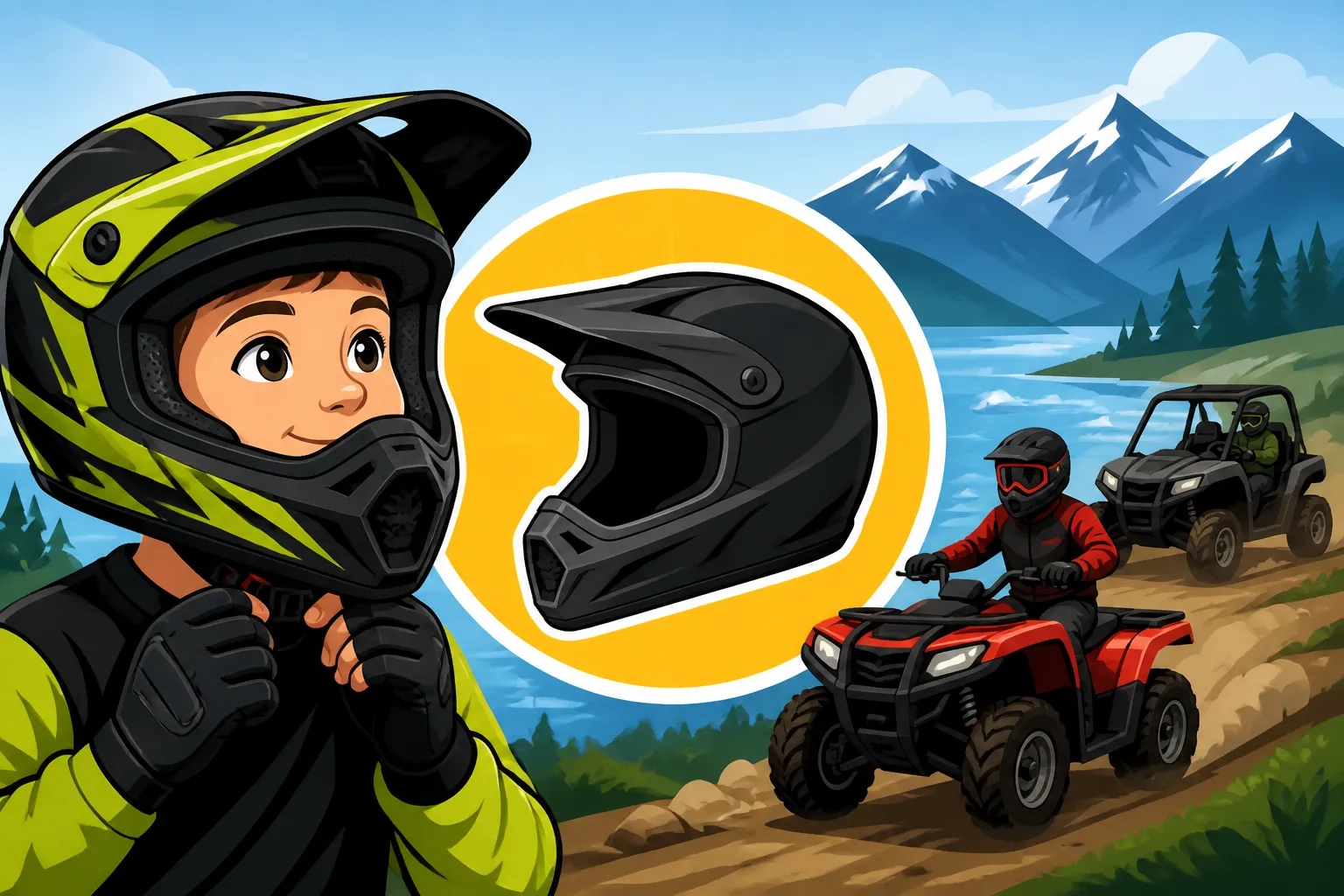
Navigating the world of ATVs and UTVs with young riders in Alaska can feel like a high-stakes balancing act. We want them to experience the thrill of the trails and the freedom of the Last Frontier, but their safety is paramount. The biggest worry for many parents is protecting their child’s head, and rightly so, because a head injury can be life-altering. This guide will walk you through everything you need to know about choosing a CPSC-certified helmet specifically for your young rider, ensuring they’re as safe as possible while tearing up the trails.
Understanding CPSC Certification and Why It Matters for Young Riders
When you're looking at helmets, especially for kids, you'll see a lot of acronyms and certifications. It can feel like alphabet soup, but one stands out as non-negotiable for ATV/UTV use: CPSC. Understanding what this means isn't just about ticking a box; it's about genuine protection.
What is CPSC Certification Anyway?
CPSC stands for the Consumer Product Safety Commission, a U.S. federal agency tasked with protecting the public from unreasonable risks of injury or death associated with consumer products. When it comes to helmets, their certification means the helmet has undergone a series of rigorous tests to ensure it meets minimum safety standards. Imagine dropping a helmet from a specific height onto different surfaces – flat, hemispherical, curbstone – all to see how well it absorbs impact. This isn't just a marketing claim; it's a testament to engineering designed to protect precious cargo, like your child's brain. These tests ensure the helmet can effectively manage and disperse energy from an impact, reducing the force transmitted to the rider's head. Without this certification, you’re essentially guessing at the level of protection, and that's a gamble no parent should take when their child is out on an Alaskan trail. Helmets lacking CPSC certification might look the part, but they haven't been subjected to the same scientific scrutiny, meaning they could fail catastrophically when you need them most.
The Legal Angle: Alaska's Helmet Law for Riders Under 16
Beyond the sheer safety aspect, there's a legal mandate in Alaska that reinforces the importance of a certified helmet. The state has specific rules about who needs to wear a helmet and when, particularly for younger riders. For anyone under the age of 16 operating or riding as a passenger on an ATV or UTV in Alaska, a helmet is not optional; it’s required by law. This isn't just about local ordinances; it’s part of a broader commitment to youth safety on our rugged terrain. The statute clearly states that these helmets must be designed for motorcycle use and be approved by the CPSC, or a similar standard from the U.S. Department of Transportation. Ignoring this law isn't just risky for your child's well-being; it can also lead to legal repercussions. [Alaska's Under-16 Helmet Fine] starts at a noticeable amount for a first offense, and subsequent infractions, covered by [Alaska Second Offense Helmet Fines], only get steeper. Beyond the financial hit, a citation can be a wake-up call that the authorities take this seriously, and so should every parent. It underscores that proper head protection isn't just a recommendation but a critical part of safe riding, both practically and legally.
Key Factors When Choosing a CPSC-Certified Helmet for a Child
Once you understand why CPSC certification is vital, the next step is actually picking one out. This isn't like buying a baseball cap; there are several critical factors that go into ensuring a helmet provides the best possible protection for your growing adventurer.
Proper Fit: The Non-Negotiable Requirement
The most crucial aspect of any helmet, especially for a child, is the fit. A CPSC-certified helmet is only effective if it stays put during an impact and properly cradles the head. An ill-fitting helmet can shift, obstruct vision, or simply not absorb energy correctly when it's needed most. To get started, you'll need a soft measuring tape. Measure your child's head circumference just above their eyebrows and ears. This number will typically correspond to a size chart provided by helmet manufacturers.
Once you have the right size range, it's time for a try-on. The helmet should feel snug all the way around, with no pressure points that cause discomfort. Have your child put the helmet on and fasten the chin strap. The helmet should not move when they shake their head from side to side or nod up and down. If it wiggles or slides around, it's too big. If it causes painful pressure or leaves red marks on their forehead after a few minutes, it's too small. You should feel the padding gently compressing their cheeks, but not painfully so. If you can slip more than one finger easily between the helmet padding and their temples or forehead, it’s definitely too loose. Remember, children grow quickly, so regularly re-check the fit, especially after a growth spurt. A helmet that fit perfectly last season might now be too tight, making it uncomfortable and ineffective. Replacing helmets as children grow is just as important as buying one in the first place. You wouldn't send them out with ill-fitting shoes, and the same principle applies, with even higher stakes, to head protection.
Weight, Ventilation, and Field of Vision
Beyond fit, other design elements play a significant role in comfort and safety for young riders. A child's neck muscles are still developing, so a heavy helmet can lead to fatigue, discomfort, and even strain over a long ride. Look for helmets made with lightweight materials that still maintain their structural integrity and CPSC rating. Many modern helmets prioritize lighter composites without compromising on protection. This can make a huge difference in how long your child can comfortably wear their helmet, and a comfortable helmet is one they'll be less likely to complain about.
Ventilation is another unsung hero in helmet design, especially in Alaska where temperatures can fluctuate wildly, or during strenuous riding. Well-placed vents help hot air escape and fresh air circulate, keeping your child's head cooler and reducing sweat buildup. This not only enhances comfort but also helps prevent goggle fogging, which can be a major safety hazard. Imagine trying to navigate a trail with blurred vision – it's a recipe for disaster. Effective ventilation contributes directly to sustained visibility.
Speaking of visibility, the helmet’s field of vision is paramount. Your child needs to be able to see clearly to their periphery, allowing them to react to changing trail conditions, other riders, and wildlife. Ensure the helmet's eye port is wide enough to accommodate goggles comfortably without restricting vision. Some helmets are designed to integrate seamlessly with specific goggle brands, which can be a good consideration. SuperATV and other gear manufacturers often design their goggles to pair well with common helmet designs, minimizing gaps and maximizing peripheral vision. A narrow field of vision forces a rider to turn their entire head more often, potentially missing critical information in their blind spots, which is a risk you simply can't afford.
Durability, Materials, and Safety Features
The materials and construction of a CPSC-certified helmet are what truly deliver on its promise of protection. The outer shell, typically made from polycarbonate, fiberglass, or even advanced carbon fiber composites, is designed to be tough and resistant to penetration from sharp objects or abrasions. Beneath this shell lies the crucial Expanded Polystyrene (EPS) foam liner. This is the real workhorse, designed to crush and deform upon impact, absorbing and dissipating the energy of a crash rather than transmitting it to your child’s head. It's a single-use safety feature; once an EPS liner has taken a significant hit, it compresses and loses its ability to protect, which is why helmets must be replaced after a crash.
The chin strap system is another critical component. Look for a robust double D-ring fastener, which is considered the most secure system. While other quick-release buckles exist, the D-ring system is simple, incredibly strong, and less likely to loosen inadvertently during a ride or impact. You want to ensure it's easy for an adult to properly secure, but not so fiddly that it becomes a frustration. Beyond core protection, consider features like removable and washable liners. Kids get sweaty and dirty, and being able to easily clean the helmet’s interior helps maintain hygiene and extend its usable life. Many quality helmets, including those from brands that focus on off-road enthusiasts like SuperATV, integrate these practical features alongside their core safety engineering, recognizing that real-world use demands more than just basic protection.
Practical Considerations and Common Mistakes to Avoid
Choosing the right helmet is a significant step, but it's part of a larger safety ecosystem. There are also common pitfalls that parents unknowingly fall into that can compromise even the best helmet's effectiveness.
Buying New vs. Used Helmets
When it comes to helmets, this isn't an area to scrimp or look for a bargain on the used market. Helmets are designed for a single major impact. Even if a used helmet looks perfectly fine on the outside, its internal EPS foam liner could have sustained damage from a previous fall, even a seemingly minor one, or just from being dropped. These micro-fractures compromise its ability to absorb subsequent impacts, leaving your child vulnerable. You simply cannot see this hidden damage. Therefore, it’s a cardinal rule: always buy new.
Beyond structural integrity, there are hygiene concerns. Helmets absorb sweat, oils, and dirt. A used helmet may harbor bacteria, mold, or simply carry the odors of its previous owner, even if attempts have been made to clean it. While some liners are removable and washable, you can't sterilize the entire helmet structure. Investing in a brand new CPSC-certified helmet ensures that it’s structurally sound, clean, and ready to provide maximum protection the moment your child puts it on. Think of it as purchasing a crucial piece of safety equipment, not just another accessory.
Matching Engine Size to a Young Rider's Age and Skill
While we're focusing on helmets, it's crucial to remember that head protection is just one part of a comprehensive safety strategy. The helmet you choose should align with the overall riding context, including the machine your child is operating. It's really important to match the machine to the rider's capabilities. [Manufacturer Age Guidance for Alaska Families] often provides clear recommendations on appropriate engine sizes for different age groups, and it's wise to adhere to these guidelines. For instance, a small 50cc youth quad for a beginner might require a different helmet weight or style emphasis than a larger, more powerful machine ridden by an experienced teen.
The principle of [Matching Engine Size to a Young Rider's Age] isn't just about controlling speed; it's about control, maneuverability, and the forces a young rider can realistically handle. Even on a small, beginner-friendly machine, the risk of falling and hitting one's head is present, making the helmet indispensable. The helmet selection process is intrinsically linked to the overall safety decision-making for your young rider. A well-fitting, CPSC-certified helmet provides the foundation for protection, but it’s always most effective when coupled with a machine that is appropriate for their age, size, and skill level.
The Importance of a Full Safety Ensemble
A CPSC-certified helmet is undeniably the most critical piece of safety gear, but it's not the only one. When your child heads out on an ATV or UTV in Alaska, they need a full ensemble of protective equipment. Eye protection, usually in the form of goggles designed for off-road use, is vital to shield their eyes from dust, debris, insects, and branches. Gloves protect hands from abrasions, impacts, and blisters, while also providing a better grip on the handlebars. Sturdy over-the-ankle boots are necessary to protect feet and ankles from impacts, crushing injuries, and hot engine parts. Long sleeves and pants, ideally made from durable materials like denim or specialized riding gear, offer another layer of protection against scrapes, sunburn, and minor impacts.
Many brands, including those focused on robust off-road accessories like SuperATV, offer a complete range of protective gear designed for both adults and young riders. Thinking holistically about safety ensures that all vulnerable areas are protected, not just the head. This comprehensive approach is particularly important for [Alaska Rules for a Child Passenger] and [Alaska Rules for a Teen Rider], where they might be sharing the machine or riding in varied conditions. A helmet protects the brain, but a full suit of armor protects the rest of the body, allowing your child to safely enjoy the incredible riding opportunities Alaska has to offer.
Helmet Comparison for Young Riders
| Feature | Description | Why It Matters for Kids |
|---|---|---|
| CPSC Certification | Confirms helmet meets US federal safety standards for impact absorption and penetration. | Non-negotiable for proven protection and legal compliance in Alaska for riders under 16. |
| Proper Fit | Snug around the head, cheeks, and forehead without painful pressure or excessive movement. | A helmet that moves won't protect properly. Crucial for stability and effective impact dispersion. |
| Weight | Overall mass of the helmet. | Lighter helmets reduce neck strain and fatigue, making long rides more comfortable for developing neck muscles. |
| Ventilation | System of vents and channels to allow airflow. | Prevents overheating and sweat build-up, reducing goggle fogging and improving comfort in varied climates. |
| Field of Vision | The scope of view through the eye port. | Wide peripheral vision is critical for situational awareness, obstacle avoidance, and overall safety on trails. |
| Shell Material | Outer layer of the helmet (e.g., polycarbonate, fiberglass, carbon fiber). | Determines resistance to penetration and abrasion, offering the first line of defense against external forces. |
| EPS Liner | Expanded Polystyrene foam layer inside the shell. | Absorbs impact energy by deforming, protecting the brain from concussive forces. |
| Chin Strap | Securing mechanism, typically D-rings. | Keeps the helmet firmly in place during impacts and prevents it from coming off unexpectedly. |
| Removable Liner | Interior padding that can be detached. | Allows for easy cleaning, crucial for hygiene and extending the helmet's life, especially with sweaty kids. |
| Price Shape | General cost range (e.g., entry-level, mid-range, premium). | Higher price often correlates with advanced materials, lighter weight, and more features, but good options exist at all levels. |
Disclaimer
This article is for general informational purposes only and does not constitute professional advice. Laws, prices and regulations vary by location and change over time. Consult a qualified professional for guidance on your specific situation.