Alaska Registration Paperwork Checklist
The sheer thought of gathering all the right paperwork for registering your ATV or UTV in Alaska can feel like navigating a maze blindfolded. It's easy to get overwhelmed, especially when you're just itching to hit those incredible trails. This guide is here to cut through the confusion, providing a clear, step-by-step checklist of everything you'll need to successfully register your all-purpose vehicle with the state.
Understanding Alaska's APV Registration Requirements
Before you even start digging through old files or contacting sellers, it's crucial to understand why Alaska requires registration for all-purpose vehicles (APVs) and what exactly falls under this classification. Many Alaskans get tripped up right at the start, thinking their machine is exempt, only to find themselves pulled over or facing fines later on. The state wants to ensure accountability, track ownership, and generate funds that directly benefit the trails and riding areas we all love. It might seem like just another hoop to jump through, but it's all part of keeping our riding experience vibrant and safe.
Who Needs to Register an APV in Alaska
If you plan on riding your ATV, UTV, or any other qualified off-highway vehicle on public lands in Alaska, you absolutely need to register it. This isn't just about federal lands; it includes state lands, borough trails, and even those access points that might seem "unregulated." The trigger for registration is using public property. So, if your machine is strictly confined to your private property, say a remote cabin or a large homestead, then you might be exempt. However, the moment even one tire touches a public trail, a frozen river that's considered public access, or a road shoulder, you need that decal. Many folks assume that because they're "just going a short distance," it doesn't count, but a trooper sees public land use as public land use, regardless of the mileage. It's better to be safe than sorry, especially given the state's expansive definition of what constitutes public access for off-road machines. It's always a good idea to clarify these nuances by checking out [Alaska Registration Before Riding Public Land].
What Alaska Classifies as an All-Purpose Vehicle (APV)
Alaska has a specific definition for what it considers an All-Purpose Vehicle (APV) for registration purposes, and it's important not to assume your machine automatically fits the bill. Generally, this class includes most ATVs (quads), side-by-sides (UTVs), and even some six-wheelers. These are typically machines designed for off-road use, with an engine displacement of at least 90 cubic centimeters, and intended for operation on land, snow, or ice. However, there are some notable exclusions that often catch riders by surprise. For instance, traditional snowmobiles (often called snow machines here) are typically registered under a different category, even though they operate similarly in winter. The same goes for tracked vehicles that aren't factory-integrated with a specific APV chassis. Dirt bikes are also included, provided they meet the engine size requirement. Understanding these classifications from the outset helps prevent wasted trips to the DMV or partner offices. If you're unsure if your particular machine qualifies, it's worth reviewing [Registering an ATV Under Alaska's All-Purpose Vehicle Class] to ensure you're on the right track.
Essential Proof of Ownership Documents
The single most critical piece of your registration puzzle is proving you actually own the machine you're trying to register. Without solid proof of ownership, the state can't legally issue a registration, plain and simple. This is where most people face delays, either because they don't have the right document, or the document they have isn't properly filled out or notarized. The type of proof you need largely depends on whether your machine is brand new from a dealer or a used purchase from a private seller, and sometimes, even how old the machine is. Remember, this isn't just a formality; it's about protecting you from potential fraud and ensuring clear title to your valuable asset.
New Machine Purchases: Dealer Paperwork
When you buy a brand new ATV or UTV from a dealership in Alaska, they usually handle a good chunk of the initial paperwork. This is one of the conveniences of buying new. Typically, you'll receive a manufacturer's certificate of origin (MCO) or a manufacturer's statement of origin (MSO), which is essentially the birth certificate for your machine. This document proves that the machine is new and identifies its initial owner (you, or the dealership that sold it to you). Along with the MCO, the dealer will provide you with a bill of sale or purchase agreement that details the transaction, including the VIN, purchase price, and date. You'll need both of these. Make sure all the details, especially the VIN and your name, are absolutely correct on both documents before you leave the dealership. A simple typo can create a huge headache down the line when you try to register. Always double-check this paperwork on the spot; it's much harder to correct once you've driven away. For a deeper dive into what to expect from a dealer, check out [Alaska Dealer Paperwork at Delivery].
Used Machine Purchases: Bills of Sale and Affidavits
Buying a used machine from a private seller is where the paperwork often gets a bit trickier. The gold standard for proof of ownership in a private sale is a clear, detailed bill of sale. This document should include: the seller's full name, address, and signature; your full name and address; the date of sale; a detailed description of the ATV or UTV (make, model, year, color); and, most importantly, the Vehicle Identification Number (VIN). If the machine was previously titled, you'll also need the original title, properly signed over to you by the seller.
Sometimes, sellers don't have a title, or it's an older machine that was never titled in Alaska. In these cases, a robust bill of sale becomes even more critical. You might even consider using a pre-made template from a service like LawDepot to ensure all necessary legal information is included. If a seller truly has no paperwork whatsoever, you'll likely need to submit an affidavit naming the seller, swearing under oath that you acquired the machine from them. This can be done using a form like a LawDepot template or a specific state form. It’s vital that this affidavit is clear and concise, providing as much detail about the seller and the transaction as possible. Without proper documentation, you might face delays or even be required to wait a period, like the [Two-Year NTI Waiting Period], before a title can be considered.
Other Proofs of Ownership: Warranty Cards and MCOs
While a bill of sale or a signed-over title is usually what's required, there are sometimes alternative proofs of ownership that Alaska DMV or partner offices will accept, particularly for machines that might have had unusual ownership histories. For brand-new machines, a warranty card, especially if it was part of the initial dealer package and includes the VIN and your purchase details, can sometimes supplement or even act as primary proof if the MCO is delayed. However, it's generally best to have the actual [Using a Warranty Card as Proof of Ownership] or MCO.
For older machines, or those purchased in unusual circumstances (like an auction or estate sale), you might find yourself needing a copy of a transferred MCO, a lien release, or other documents that trace the ownership history. If the original title is missing, but you have a clear chain of custody documents, such as previous registrations in your name or even maintenance records that clearly link you to the VIN, these can sometimes help your case. In situations where paperwork is lost or never existed, an affidavit, perhaps drafted using a LawDepot template, attesting to ownership and how the machine was acquired can be the last resort. The key is to provide as much verifiable information as possible to convince the state that you are the rightful owner.
The All-Important Vehicle Transaction Application (Form V1)
Regardless of whether your ATV or UTV is brand new or decades old, whether you have a stack of paperwork or are relying on an affidavit, one form is universally required: the Alaska Vehicle Transaction Application, often referred to as Form V1. This is the central document that ties all your proof of ownership, personal information, and registration choices together. It's not just a formality; it's how the state officially records your machine in its system. Taking the time to fill this out accurately and completely before you even step foot in an office will save you a world of frustration and potentially multiple trips.
Filling Out the Form Accurately
The Vehicle Transaction Application (Form V1) looks straightforward enough, but it's easy to overlook crucial details. This form asks for everything from your personal contact information and driver's license number to detailed specifics about your ATV or UTV, including the make, model, year, engine size, and, of course, the all-important VIN. You'll also need to indicate the type of transaction you're requesting – in this case, an initial APV registration. Pay close attention to sections asking about previous registration or titling, as this can affect what other documents you need to submit.
A common oversight is failing to provide complete addresses or forgetting a signature. If there are multiple owners, ensure all names and signatures are present where required. If you're unsure about a specific field, it's better to leave it blank and ask a DMV clerk or partner office representative than to guess incorrectly. Incorrect information or omissions can lead to your application being rejected, forcing you to start the process over. Make sure to clearly mark that you are applying for an "All-Purpose Vehicle" registration to avoid confusion. You can find detailed guidance on [Filling Out Alaska's Form V1 Line by Line] to ensure you don't miss anything.
Common Mistakes to Avoid on the V1 Form
Many Alaskans find themselves making repeat trips because of simple, avoidable errors on the Vehicle Transaction Application. One of the most frequent mistakes is an incorrect VIN. Double-check, triple-check, and then check again that the VIN you write on the form exactly matches the VIN on your machine and your proof of ownership documents. A single transposed digit can invalidate the entire application. Another common pitfall is incomplete personal information, such as forgetting to include your middle initial or an apartment number. The state needs to be able to contact you and verify your identity.
Additionally, make sure you clearly indicate the registration term you desire – [Two, Four or Six Years at a Time]. If you leave this blank, the clerk might default to a two-year term, and you might have wanted a longer one. Also, if there are any lienholders (if you financed your machine), their information must be accurately filled out, including their name and address. If this section is missed, it can complicate future transactions. Finally, don't forget to sign and date the form! An unsigned form is an invalid form. Taking an extra five minutes to review everything before you submit can save you hours of re-work.
Beyond Ownership: Supplemental Documentation You Might Need
While proving ownership is paramount, sometimes there are other documents you might need to accompany your registration application. These supplemental items are often situational, depending on your residency status, how you financed the machine, or unique circumstances surrounding its acquisition. Being prepared for these possibilities means you won't be caught off guard and can complete your registration smoothly. It's all about having a complete picture for the state, ensuring that every aspect of your machine's history and your claim to it is above board.
Proof of Residency for New Alaskans
If you're new to Alaska and bringing your ATV or UTV with you, or if you're a new resident registering a machine purchased here, you'll need to provide proof of residency. This is crucial for establishing your eligibility for an Alaska registration and sometimes for determining if any special considerations apply, such as bringing a machine from out-of-state. Acceptable forms of proof typically include an Alaska driver's license, a state ID card, or official documents showing your current Alaska address, such as utility bills, voter registration, or rental agreements.
This step helps the state ensure that the machine is indeed being registered by a legitimate resident. It also helps in situations where a machine might have been previously registered in another state, as the process for a new resident often involves slightly different steps to transfer ownership and ensure all past liens are cleared. Don't assume your new Alaska driver's license is the only thing needed; sometimes they'll ask for a secondary document to confirm your physical address. It's a small detail, but it can hold up the process if you're not ready. Understanding [Alaska Registration for a New Resident] can streamline your move and registration process.
Lienholder Information and Security Interests
If you financed your ATV or UTV, either through a dealership or a credit union, there's a good chance a lienholder has a security interest in your machine. This means they legally have a claim on the machine until your loan is paid off. When registering, you'll need to provide the lienholder's full legal name and address on your Vehicle Transaction Application (Form V1). The state needs this information to record the lien against the machine's registration record. This protects the lender's interest and ensures that you can't sell the machine without their consent until the loan is satisfied.
If you're paying off an existing loan, you'll need a lien release from the lender before the state can issue a clean title (if one is eventually issued, or if you apply for one). Without a clear understanding of [Alaska Security Interests and NTI Titles], this part of the process can be confusing, so ensure you have all your financing documents handy. Even if you're doing a "No Title Issued" (NTI) registration, the lienholder's information is still important to disclose. Ensure the name and address of the financial institution are exact, as any discrepancy can cause a delay in processing.
Special Situations: Lost Paperwork or Estate Sales
Life happens, and sometimes, the perfect paperwork just isn't available. Perhaps you bought an older machine where the original bill of sale was long lost, or you inherited an ATV after an owner passed away. These "special situations" often require additional steps or documentation. If the original proof of ownership is lost, you might need to submit an affidavit, potentially using a template from a resource like LawDepot, detailing how and when you acquired the machine. This affidavit should be as comprehensive as possible, ideally including any available identifying information for previous owners.
For machines from an estate sale, you'll likely need legal documents such as letters of administration or probate court orders that confirm you are the legal heir or executor authorized to transfer ownership. The state wants to ensure that the machine is legitimately part of an estate and that you have the legal right to register it. In cases where the VIN itself is missing or unreadable, this presents a unique challenge, often requiring an inspection by law enforcement. These situations can definitely add layers of complexity, so approaching them with extra documentation and patience is key. For more on how to handle these tricky scenarios, review [Registering a Quad When the Paperwork Is Lost] and [Alaska Registration After the Owner Dies].
Payment and Submission: Finalizing Your Registration
Once you've meticulously gathered all your documents and accurately filled out your Vehicle Transaction Application, you're on the home stretch! The final steps involve paying the required fees and submitting your paperwork to the appropriate state office. This might seem like the easiest part, but understanding the fee structure and where to go can prevent last-minute surprises. Getting this right ensures your application is processed promptly and you receive your new registration decal without unnecessary hitches.
Understanding Alaska's Registration Fees
Alaska's APV registration fees are relatively straightforward, but they depend on the term length you choose. You have options to register your machine for two, four, or six years at a time. This is a great feature, allowing you to pick a term that suits your needs and budget, and potentially save yourself future trips to the DMV. For example, [Alaska Charges $10 for Two Years], [Alaska Charges $20 for Four Years], and [Alaska Charges $30 for Six Years]. It’s a simple system, but knowing the costs upfront helps you budget accordingly.
These fees are non-refundable, so ensure all your paperwork is in order before paying. There are generally no additional state sales taxes on an ATV purchase in Alaska, but you might encounter borough sales taxes depending on where you made your purchase. The registration fee itself is modest and directly supports the administration of the APV program. Be prepared to pay with cash, check, or a debit/credit card, depending on the specific office's capabilities. It's always a good idea to call ahead and confirm accepted payment methods before your visit.
Where and How to Submit Your Paperwork
Alaska offers a couple of options for submitting your completed registration paperwork. The most common method is in person at an Alaska Division of Motor Vehicles (DMV) office. This allows you to speak directly with a clerk, ask any last-minute questions, and get immediate feedback on your application. Many Alaskans prefer this method for its directness and the ability to correct minor issues on the spot.
Alternatively, you can submit your paperwork at one of Alaska's [Alaska Partner Offices That Register OHVs]. These are often local businesses or government agencies that are authorized to process APV registrations on behalf of the DMV, providing a convenient option for those not near a main DMV branch. While you can technically mail in your application, this is generally not recommended for initial registrations due to potential delays and the inability to correct errors quickly. Mailing is typically reserved for renewals. Always verify the operating hours and specific requirements of the office you plan to visit before heading out.
What Happens After Submission: Waiting for Your Decal
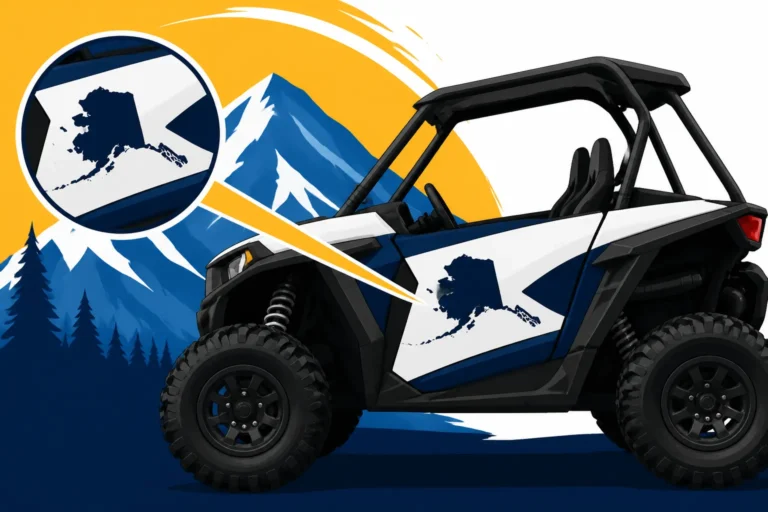
Once you've submitted your complete application and paid the fees, the waiting game begins. The state will process your paperwork, and if everything is in order, you'll eventually receive your official Alaska APV registration decal. This decal is what you'll affix to your machine, typically on the tunnel side where it's visible when seated, to demonstrate that it's legally registered. The specific timeframe for receiving your decal can vary depending on the time of year and the volume of applications the DMV is handling, but typically it arrives within a few weeks.
While waiting, it's a good idea to keep a copy of your submitted application and payment receipt with you when riding, just in case you're stopped by law enforcement and asked to prove your machine is registered. Remember, [Alaska Issues a Decal, Not a Plate] for APVs. The decal is your proof. Once you have it, make sure to place it correctly on your machine so it's easily visible, especially if a trooper needs to check it. You can learn more about this by reading [Alaska Decal Placement on the Tunnel Side] to ensure it's displayed properly.
Registration Paperwork Checklist Summary
To help you keep track of all the necessary documents, here’s a quick summary table. This is designed to be a handy reference as you gather your paperwork, ensuring you don't miss any critical items based on your specific situation.
| Document Type | New Machine (Dealer Purchase) | Used Machine (Private Sale) | Special Cases (Lost Paperwork/Estate) |
|---|---|---|---|
| Alaska Vehicle Transaction Application (Form V1) | Required | Required | Required |
| Manufacturer's Certificate of Origin (MCO/MSO) | Required | If available | If available |
| Bill of Sale / Purchase Agreement | Required | Required (detailed) | Required (detailed, if available) |
| Original Title (signed over) | N/A | If issued and available | If available |
| Affidavit of Ownership | No | If no title/bill of sale | Required |
| Lien Release (if applicable) | No | If previous lien exists | If previous lien exists |
| Proof of Alaska Residency (for new residents) | If new resident | If new resident | If new resident |
| Estate Documents (Letters of Admin., etc.) | No | No | Required |
| Funds for Registration Fees | Required | Required | Required |
This comprehensive checklist should equip you with the knowledge and confidence to gather all the necessary documents for your Alaska APV registration. Happy trails!
Disclaimer
This article is for general informational purposes only and does not constitute professional advice. Laws, prices and regulations vary by location and change over time. Consult a qualified professional for guidance on your specific situation.