Alaska Riding in Bush Communities
Riding an ATV or UTV in Alaska's vast and varied Bush communities presents a unique set of challenges and experiences that are far removed from the paved roads and managed trails of the road system. Many riders arrive with assumptions based on urban or Lower 48 experiences, only to find that the rules, the terrain, and the local culture demand a different kind of understanding and preparation. This guide will walk you through the realities of navigating these remote areas, from understanding local customs and regulations to equipping yourself for the unique demands of the Alaskan wilderness, helping you ride safely and respectfully.
The Unique Landscape and Challenges of Bush Community Riding
Venturing into Alaska's Bush communities on your ATV or UTV isn't just a trip; it's an immersion into a different way of life and an entirely distinct riding environment. Forget about designated trail systems with clear signage and emergency services just a phone call away. Here, your machine isn't just for recreation; it's often a vital tool for subsistence, transportation, and connection in places where roads are scarce or non-existent. This reality shapes everything about riding in these areas.
The All-Purpose Nature of Machines in Remote Alaska
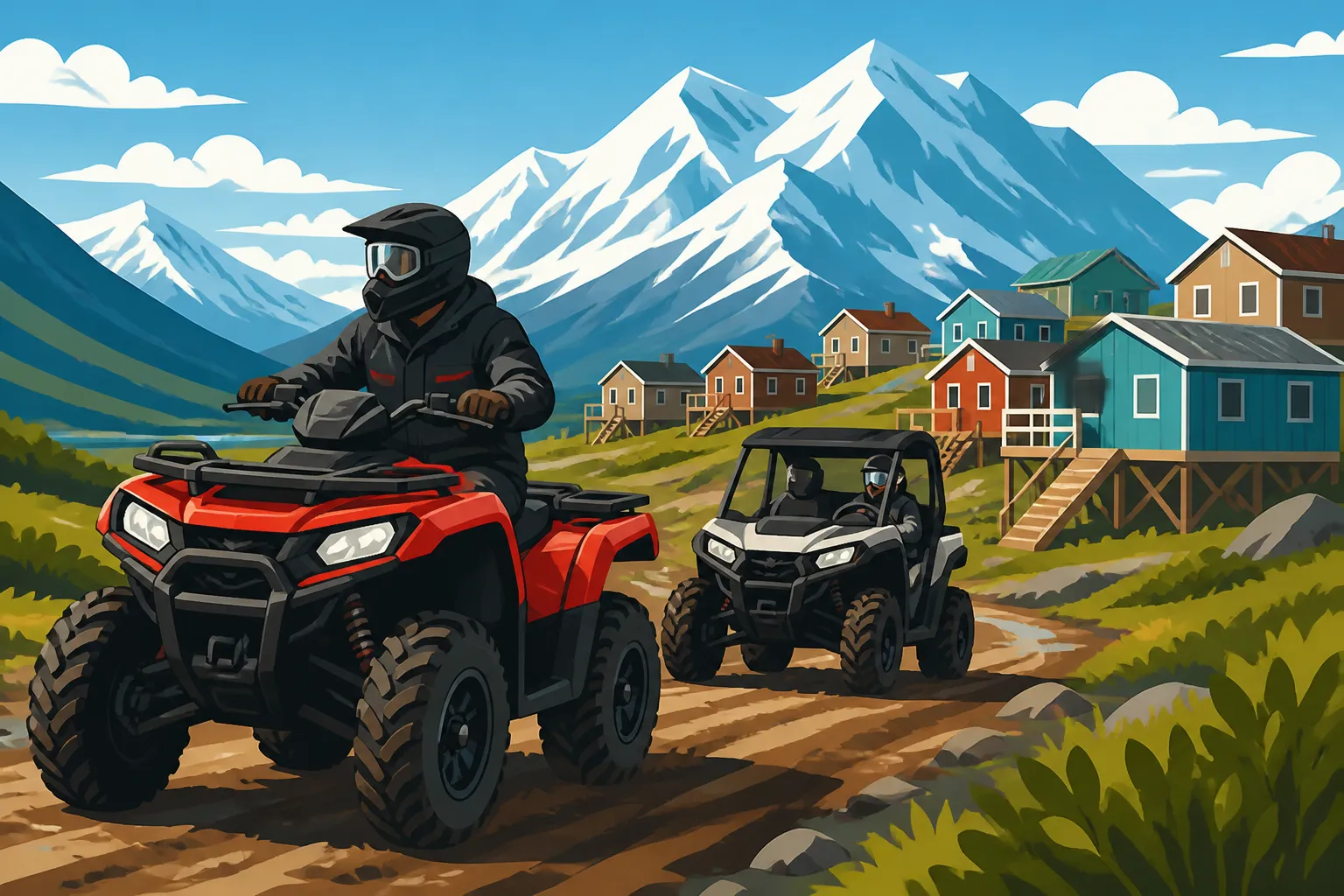
In many Bush communities, an ATV or UTV isn't a luxury item; it's a workhorse. It hauls firewood, transports hunters and their game, brings in supplies from the airstrip or river, and gets kids to school. This practical utility means that machines are seen less as recreational toys and more as essential vehicles. When you're riding through a village or along a trail that connects communities, you're not just on a joyride; you're part of the local traffic, potentially sharing paths with folks on their daily errands, often carrying supplies or their subsistence harvest. This fundamental difference in how ATVs and UTVs are perceived and used influences everything from local expectations to informal rules of the road.
Moreover, the terrain itself is a challenge. You might encounter anything from soft tundra, braided river crossings that change daily, muskeg that can swallow a machine whole, to rocky mountain passes. There are no grading crews out here, no trail maintenance teams smoothing things over. You need a machine that's robust, well-maintained, and equipped for extreme conditions. Many riders find themselves investing in heavy-duty components, like those offered by SuperATV, to withstand the relentless abuse of Bush trails. The ability to perform basic field repairs is also crucial, as help can be hours or even days away. Thinking about how your machine will handle carrying a heavy load, like a moose quarter, through deep mud or across a rocky creek bed, is just as important as how fast it can go.
Navigating Beyond the Road System
When we talk about "Bush communities," we're generally referring to areas not connected to the statewide road system. This means access is primarily by air, river, or sea. Once you're there, your ATV or UTV often becomes your primary mode of land transportation. This isolation means you're operating without the safety net often taken for granted in more populated areas. Cell service is often non-existent, and medical facilities are limited, sometimes just a small clinic with a health aide.
This lack of infrastructure dictates a higher level of self-reliance. You can't just call a tow truck if you break down 30 miles out of town. You need to carry spare parts, tools, extra fuel, and emergency supplies. Communication devices like satellite phones or messengers are not optional; they are vital. The mental preparedness for self-rescue, knowing how to use a winch, or being able to spend a night out in unexpected conditions, is just as important as the physical gear you carry. Consider the implications of getting lost, running out of fuel, or breaking an axle when the nearest help is a bush plane that can't fly due to weather. [Fuel Cached Along a Route] becomes a serious consideration, not just a convenience. The landscape isn't just scenic; it's a force to be reckoned with.
Understanding Local Ordinances and Unwritten Rules
Riding an ATV or UTV in Alaska's Bush communities isn't just about navigating the physical terrain; it's also about navigating a complex web of local customs, unwritten rules, and sometimes unique municipal ordinances that can differ significantly from state laws or what you'd expect on the road system. Failing to understand these can lead to frustration, local disapproval, or even legal trouble.
When State Laws Meet Village Rules
While the state of Alaska has general laws regarding [Alaska APV Road Rules Explained] and equipment, many Bush communities, especially those with established tribal councils or strong traditional governance, have their own specific regulations or cultural expectations for ATV and UTV use. For example, some villages might have strict curfews for machine noise, designated routes to keep traffic away from residential areas or schools, or specific speed limits that are much lower than state guidelines. These local rules are often born out of a desire to maintain peace, ensure safety for children and pedestrians, and preserve the quality of life in a small community.
It’s not uncommon for a village to have an ordinance that states all machines must travel at walking speed within the village limits, or that loud machines are prohibited after 9 PM. In some places, you might find that certain areas, like near the school or clinic, are entirely off-limits to ATVs during operating hours. These rules might not always be posted on official signs; they are often communicated through community elders, village council members, or simply by observing local behavior. This is where researching or asking local residents before you ride becomes incredibly important. What might be legal on a remote trail could be entirely inappropriate or even illegal within a village boundary. Understanding [Alaska Municipal ATV Ordinances] is key, even if they aren't always easily accessible online.
Respecting Land Ownership and Traditional Access
Land ownership in Bush Alaska can be incredibly complex. You'll encounter a patchwork of state land, federal land (including national wildlife refuges and national parks), Native Corporation lands, village corporation lands, and individual private parcels. Unlike the road system where public access is often assumed, in the Bush, permission is often explicitly required, especially on Native Corporation lands or individual holdings. Ignoring these distinctions is not just bad manners; it's trespassing.
Many Native corporations and village councils require permits for travel across their lands, especially for non-residents or for specific activities like hunting. The costs and requirements for these permits vary widely. You might be allowed to travel on a traditional trail connecting villages without a permit, but veering off that trail to access a hunting spot could land you in trouble. It is paramount to always verify [Alaska Land Ownership and Who to Ask] before venturing out. This often means making phone calls, checking with the village council office, or reviewing land status maps. Disregarding these boundaries is one of the quickest ways to earn the displeasure of local residents, and it can harm future access for all riders. Showing respect for traditional hunting and fishing areas, burial grounds, and private property is a non-negotiable part of riding responsibly in Bush Alaska. [Alaska Native Corporation Land Permissions] and [Alaska Village Corporation Land Rules] are not just bureaucratic hurdles; they are cornerstones of respectful coexistence.
Essential Gear and Preparedness for Bush Riding
Riding in Bush communities demands a level of preparedness that goes far beyond what most recreational riders are accustomed to. The lack of readily available services means that you are your own first responder, mechanic, and navigator. Equipping yourself appropriately isn't just about comfort; it's about survival.
Beyond the Basic Machine Setup
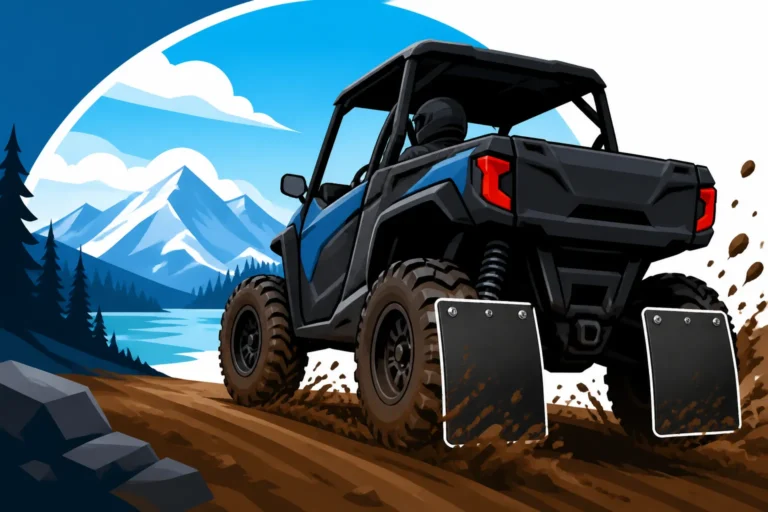
While having a reliable ATV or UTV is the starting point, the standard factory setup is rarely enough for the rigors of Bush Alaska. You need to consider enhancements that protect your machine and improve its capabilities in remote conditions. Skid plates, for instance, are non-negotiable. The trails are often rocky, stump-ridden, and can hide unexpected hazards that can easily damage vital components like axles, differentials, and oil pans. Aftermarket heavy-duty A-arms and suspension components are also wise investments, especially if you plan on hauling heavy loads or navigating deeply rutted trails. SuperATV offers a range of durable products designed to fortify your machine against such abuse, helping prevent breakdowns far from any repair shop.
Tires are another critical element. Aggressive, multi-ply tires with good puncture resistance are essential for tackling mud, sharp rocks, and abrasive terrain. Carry at least one spare tire, or at minimum, a comprehensive tire repair kit with plugs, patches, and a portable air compressor. Beyond the machine itself, consider a sturdy winch. Getting stuck in muskeg, deep mud, or even a river crossing is a matter of when, not if. A reliable winch with an extended recovery strap, tree saver, and snatch block can be the difference between a minor delay and being stranded for days.
Furthermore, proper lighting is crucial. [Alaska Lighting Rules on a Machine] dictate minimum requirements, but in areas with long periods of darkness, especially during winter, upgrading to brighter LED lights for both headlights and auxiliary lights can significantly improve visibility and safety. Having working taillights and reflectors is also vital, particularly when sharing trails or village streets with other vehicles or snowmachines.
Packing for Safety, Repair, and Communication
Your packing list for Bush riding will be extensive. First, communication: a satellite messenger or satellite phone is absolutely critical. Do not rely on cell phones, as coverage is almost non-existent off the road system. These devices allow you to send SOS messages, check in with loved ones, and receive weather updates.
For repairs, a comprehensive tool kit, including wrenches, sockets, zip ties, duct tape, electrical tape, a multi-tool, and spare parts like spark plugs, fuses, belts, and tire repair supplies, is essential. A small amount of spare fuel, stored safely, is also a must, as fuel stops can be few and far between.
Survival gear is equally important. This includes a first-aid kit (more extensive than what you'd carry for a day hike), emergency shelter (a tarp or bivy sack), fire starting materials, a headlamp, extra layers of warm, waterproof clothing, food, water, and perhaps a water filter. Even in summer, Alaska weather can change rapidly, and hypothermia is a constant threat. [Alaska Equipment Requirements] are basic, but your actual needs will be far greater.
Bush Riding Essentials Checklist
| Category | Essential Items | Notes |
|---|---|---|
| Machine Prep | Heavy-duty skid plates, A-arms | Protects vital components from rocks and stumps. |
| Aggressive, puncture-resistant tires | Enhanced traction and durability for varied terrain. | |
| Winch (with recovery gear) | Crucial for self-recovery from mud, muskeg, or water. | |
| Upgraded LED lighting | Improves visibility during long periods of darkness or bad weather. | |
| Muffler/emission control checks | [Alaska Muffler and Noise Rules] apply; reduces community impact. | |
| Navigation & Comms | GPS device (with downloaded maps) | Reliable navigation without cell service. |
| Satellite messenger/phone | Critical for emergency communication and checking in. | |
| Compass and paper map | Backup navigation in case of electronic failure. | |
| Repair & Fuel | Comprehensive tool kit (wrenches, sockets, pliers, etc.) | For field repairs. |
| Spare parts (spark plugs, fuses, belts, tire repair kit) | Addresses common breakdowns. | |
| Portable air compressor | For tire repairs. | |
| Safely stored extra fuel | Extending range between fuel sources. | |
| Safety & Survival | Extensive first-aid kit | For injuries far from medical help. |
| Emergency shelter (tarp, bivy) | Protection from unexpected weather. | |
| Fire starting kit (matches, lighter, fire starter) | Warmth, cooking, signaling. | |
| Headlamp/flashlight with extra batteries | For working or navigating in the dark. | |
| Warm, waterproof layers (gloves, hat, extra socks) | Essential for rapidly changing Alaskan weather. | |
| High-energy food and water/filter | Sustenance for unexpected delays. | |
| Bear spray (and knowledge of how to use it) | For wildlife encounters. |
Respecting the Land and Community
Riding in Alaska's Bush communities isn't just about the thrill of exploration; it's a privilege that comes with significant responsibilities. The land is often pristine, fragile, and holds deep cultural significance for local residents. Sustainable practices and a respectful demeanor are paramount to ensuring these areas remain accessible and enjoyable for everyone.
Environmental Stewardship and Trail Ethics
Alaska's wilderness, particularly the tundra and wetlands often found in Bush regions, is incredibly fragile. Tundra, with its thin layer of vegetation over permafrost, can be scarred by a single tire track, leaving damage that can take decades or even centuries to heal. This is why "staying on the trail" or sticking to established routes is not merely a suggestion; it's an imperative. Cross-country travel on tundra during the summer months is strictly prohibited in many areas and frowned upon everywhere. [Alaska Wetland Travel Restrictions Explained] are in place for a very good reason, and understanding them is crucial.
Beyond avoiding fragile ecosystems, general trail ethics apply, often with heightened importance due to the remoteness. Pack out everything you pack in, including all trash and waste. Avoid polluting water sources, especially crucial in communities that rely on rivers and lakes for drinking water and subsistence. Keep noise levels down, particularly when passing through or near villages, out of respect for residents and wildlife. Consider the impact of your riding on wildlife; avoid chasing or harassing animals, and be aware of nesting birds or spawning salmon in streams. A truly responsible rider minimizes their footprint and leaves the landscape as undisturbed as possible for those who come after them, and for the local residents who call it home.
Cultural Sensitivity and Community Integration
When you ride into an Alaska Bush community, you are entering someone's home, often a place with strong cultural traditions and a history that stretches back millennia. Approaching these communities with humility and respect is essential. This means more than just following posted rules; it means being aware of local customs and showing deference to community members, especially elders. For example, don't ride through a village with loud music blaring or at excessive speeds. This is not only rude but can also be dangerous, particularly for children playing outdoors. [Alaska Rules for Riding a Village Street] are often unwritten but keenly felt.
If you encounter local residents, a friendly nod or greeting goes a long way. If you have questions about where you can ride or specific local rules, ask politely. Be mindful of cultural events, ceremonies, or subsistence activities that might be taking place. In some communities, hunting or fishing seasons are critical times, and recreational riding might be seen as an intrusion or disturbance. Integrating yourself respectfully means understanding that your presence, however brief, has an impact. Your machine may be a powerful tool, but in these communities, a humble attitude and a willingness to learn about local ways are even more powerful. It fosters positive relationships and helps ensure that the privilege of riding in these incredible places continues for years to come.
Disclaimer
This article is for general informational purposes only and does not constitute professional advice. Laws, prices and regulations vary by location and change over time. Consult a qualified professional for guidance on your specific situation.