Why Alaska Riders Travel in Pairs
Alaskan backcountry riders face harsh terrain and lack of cell service, making travel in pairs necessary for safety and survival.
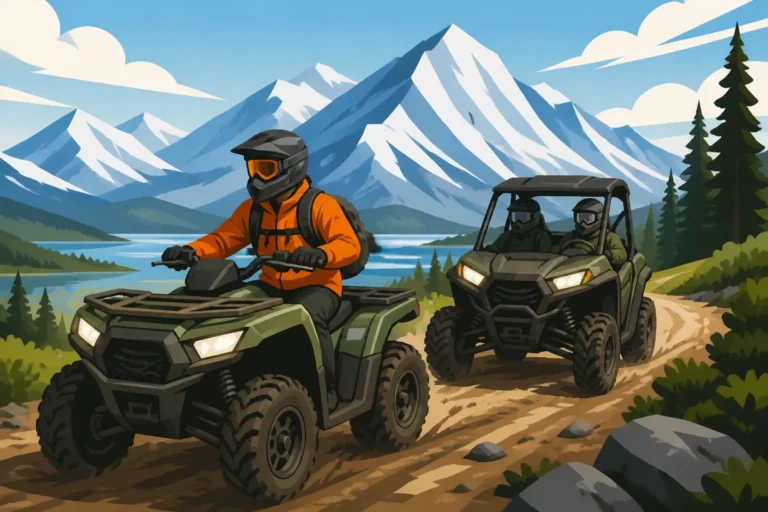
Alaskan backcountry riders face harsh terrain and lack of cell service, making travel in pairs necessary for safety and survival.
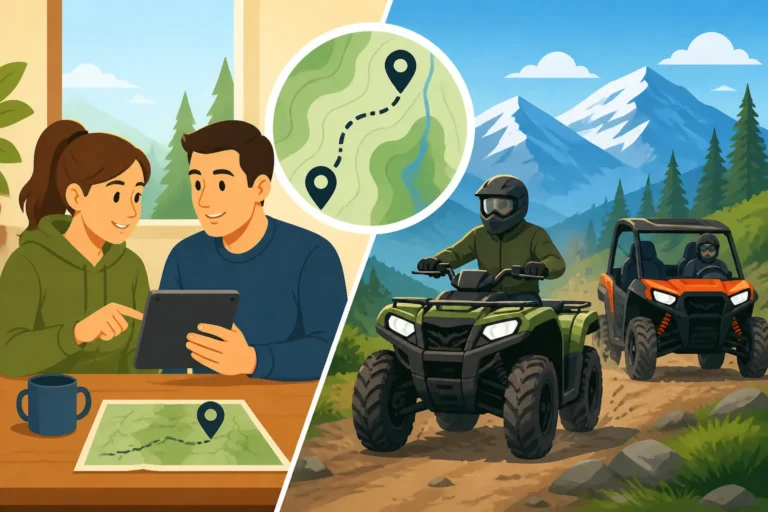
Filing a trip plan provides a vital safety net for backcountry ATV and UTV riders facing unpredictable weather and isolation in Alaska.
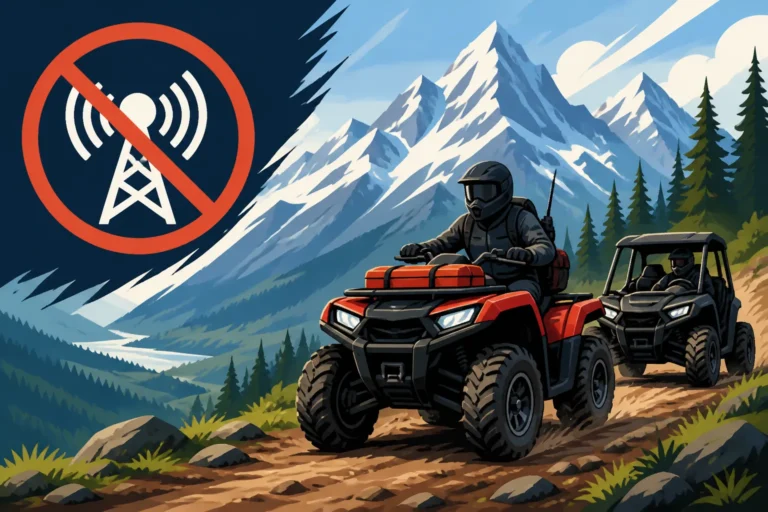
Alaska backcountry cell service absence creates severe safety gaps for ATV and UTV riders far beyond the road system.
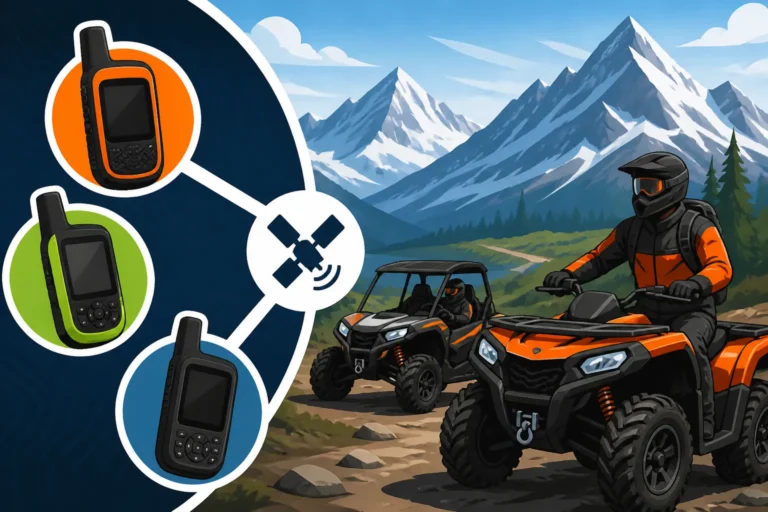
Satellite messenger selection for Alaska backcountry riding helps off-road adventurers choose proper safety equipment.
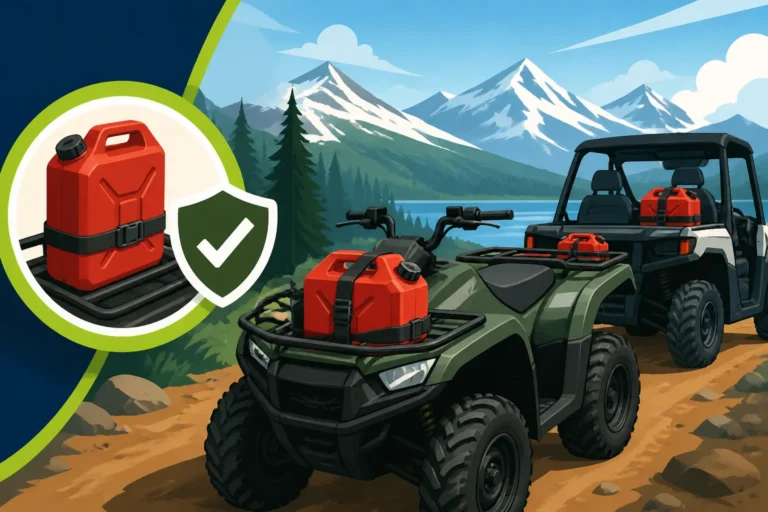
Safe extra fuel storage methods for ATV and UTV riders in Alaska prevent dangerous backcountry engine failures.
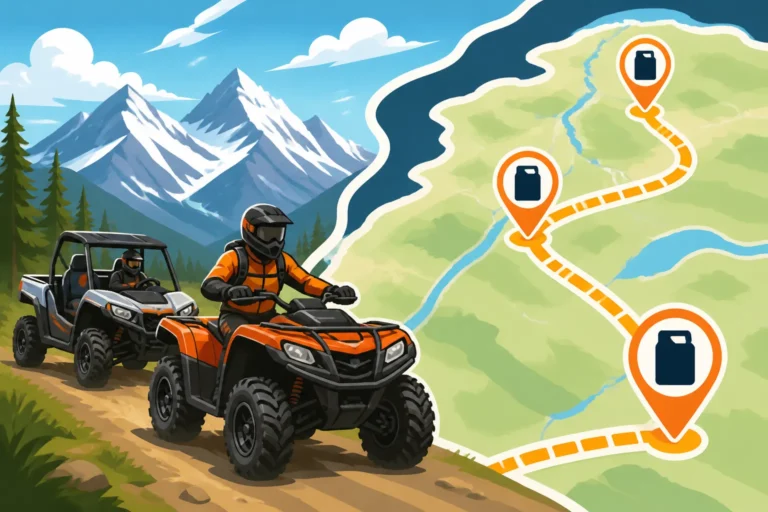
Fuel caching along remote Alaska ATV routes helps riders safely extend their backcountry range beyond standard tank limits.
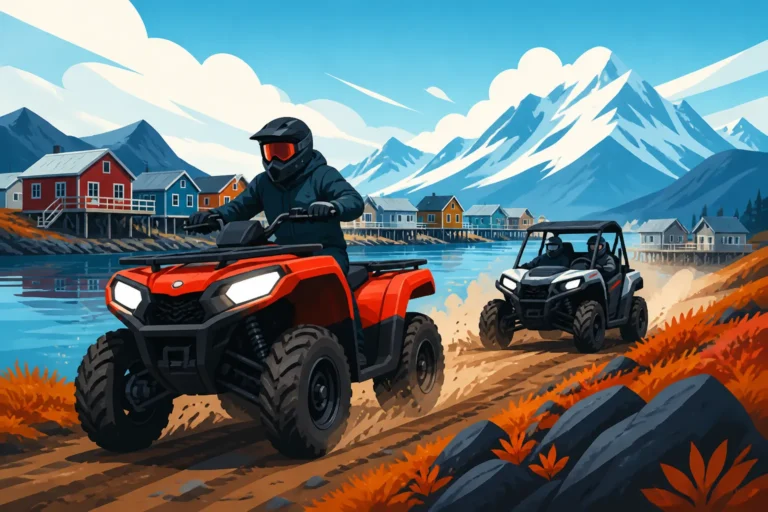
Riding ATVs between remote Alaska villages requires navigating complex private, state, and federal land ownership boundaries.
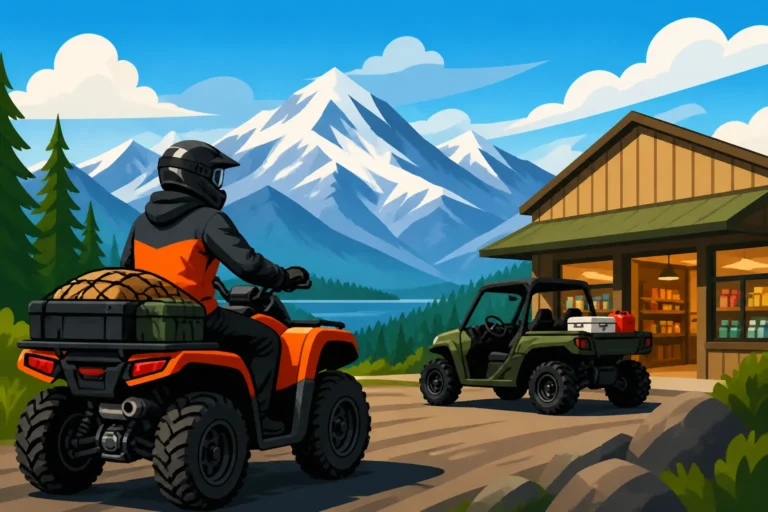
Alaska off-highway vehicle regulations explain public road rules, registration requirements, and local laws for riding to local stores.
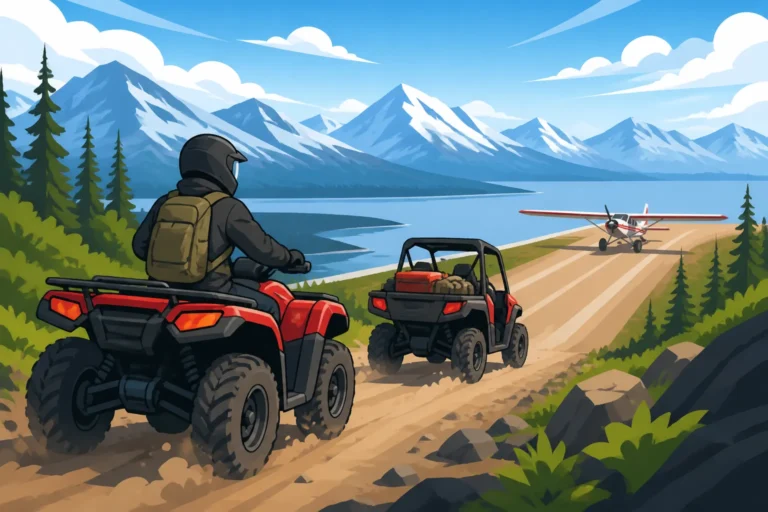
Alaska ATV and UTV access rules explain how to safely reach public, private, and wilderness airstrips across the state.
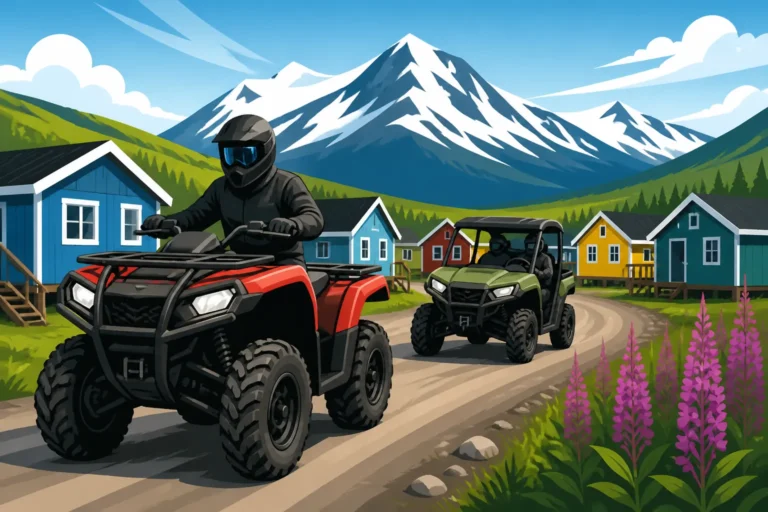
Alaska village trails double as roads for ATVs and UTVs, creating regulatory gray areas and rider frustrations.