Alaska Bans APVs in Homer
It can be incredibly frustrating to roll into a beautiful Alaskan town, machine in tow, ready for an adventure, only to discover that the very roads you planned to traverse are off-limits for your All-Purpose Vehicle. Homer, with its stunning views and rugged charm, is one of those places where the rules for ATV and UTV road use might catch you by surprise. This guide is here to help you understand exactly why APVs are largely banned on Homer's streets, what that truly means for riders, and how you can still enjoy your machine responsibly and legally in the greater Kachemak Bay area.
The Reality of APV Road Use in Homer
Homer is famous for its spit, its fishing, and its incredible natural beauty. What it's not famous for is being a free-for-all for APV enthusiasts on public roads. The city has specific regulations that govern how and where you can operate these machines within its boundaries, and for the most part, that means keeping them off the paved and maintained streets. This can be a real bummer if you've driven a long way, but understanding the local perspective helps clarify why these rules are in place.
Why Homer Restricts APV Road Travel
Cities like Homer often implement restrictions on APV road use for a variety of reasons, all stemming from a desire to maintain public safety, manage traffic flow, and preserve the quality of life for residents. Imagine a bustling summer day on the Homer Spit, packed with tourists, cars, and pedestrians. Adding ATVs and UTVs to that mix, machines often designed for off-road performance rather than quiet street cruising, could quickly become chaotic and dangerous.
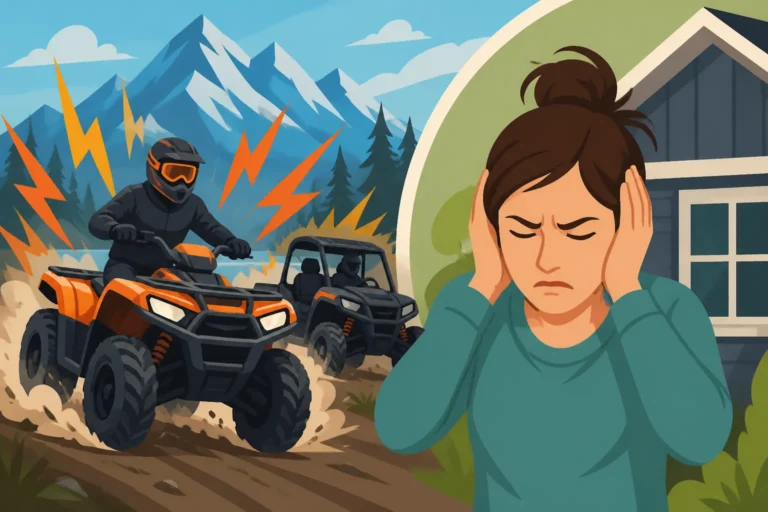
Local governments have the authority to establish their own rules regarding APVs on roads, even if the state has a broader framework. These local ordinances are often a response to concerns about noise pollution disrupting residential areas, increased wear and tear on roads not designed for the specific weight and tire types of APVs, and potential conflicts with regular vehicle traffic. Safety is paramount; a busy intersection can be challenging enough without the added variables of machines that handle differently than cars or trucks. It's not about making life difficult for riders, but about balancing everyone's safety and enjoyment of the community.
What "Bans APVs in Homer" Actually Means
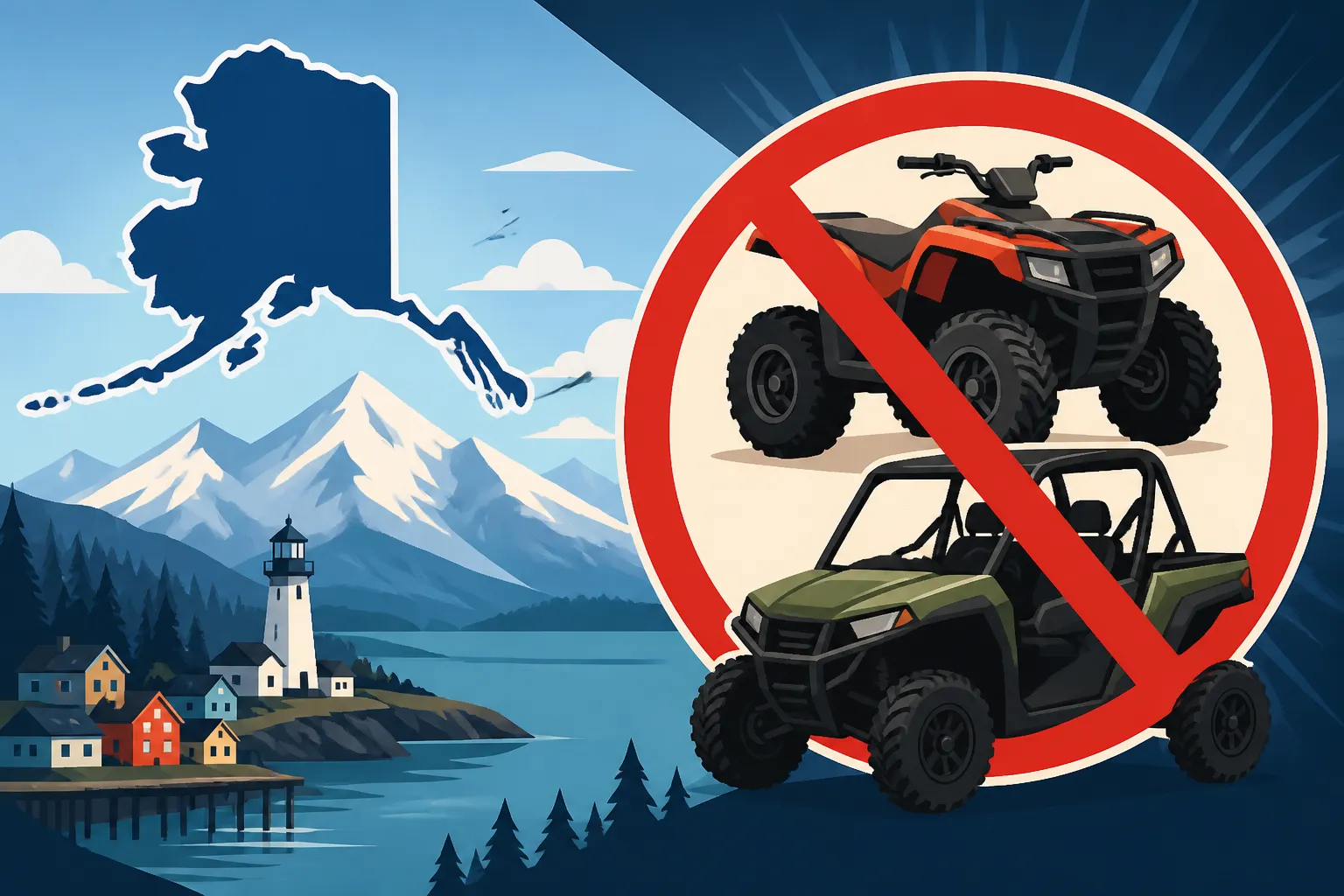
When we say Homer "bans APVs," it's crucial to understand the nuance. This isn't usually a blanket prohibition against owning or even operating an APV anywhere within city limits. Instead, it almost universally refers to the prohibition of operating APVs on public roads, streets, and highways within the city's jurisdiction. This distinction is vital for any rider.
It means you generally cannot ride your ATV or UTV down Pioneer Avenue, Main Street, or out onto the Homer Spit. You can't use it to run errands, commute to work, or simply explore the paved parts of town. However, this ban typically doesn't extend to private property. If you own land within Homer and wish to ride your APV on your own property, you are generally free to do so, as long as you're not creating excessive noise, dust, or other nuisances that violate local codes or infringe on your neighbors' peace. It also doesn't prevent you from transporting your APV through Homer on a trailer to access legal riding areas outside the city. The core message is clear: if it's a public road meant for cars and trucks, your APV likely isn't welcome there for general travel.
General Alaska APV Road Rules You Should Know
While Homer has its own specific bans, it's important to remember that these local rules exist within a broader statewide framework for APVs. Alaska has general laws that apply to all-purpose vehicles, especially concerning their use on public roads. These state laws serve as the baseline, and cities like Homer can then add more restrictive ordinances on top of them. Understanding the statewide rules can help you grasp the context of Homer's specific regulations and prepare for riding elsewhere in Alaska where road access might be permitted under certain conditions. For a deeper dive into the state's broader regulations, you might want to read [Alaska APV Road Rules Explained].
Statewide Baseline for Road-Legal APVs
Across Alaska, the state generally allows APVs to operate on certain public roads, but there are significant conditions. The most common rule is that APVs can only be operated on roads with a posted speed limit of 45 mph or less. This immediately restricts APVs from major highways and faster arterial roads. Furthermore, APVs are generally restricted to the far right of the paved portion of the road, or on the shoulder if one exists and is safely traversable. They are not allowed to impede the flow of traffic.
Even on these lower-speed roads, APV operators usually need a valid Class D driver's license, the same license required for operating a car. So, if you're planning to ride your ATV or UTV on any public road in Alaska where it is allowed, make sure you have your license on you. Additionally, [Alaska Requires Liability Insurance for an APV] for any machine operating on public ways. This means you can't just hop on and go; you need proper coverage in case of an accident. These state-level requirements are crucial for safe and legal operation, even in areas that haven't imposed stricter bans like Homer.
Equipment Requirements for Road Use
If you are in an area of Alaska where APVs are permitted on certain roads, your machine needs to meet specific equipment standards to be considered road-legal. These aren't suggestions; they are mandatory safety features designed to make your APV visible and controllable in a mixed-traffic environment. For instance, your APV must have working headlights and taillights that are visible at specific distances, especially crucial for riding at dusk or after dark. You’ll also need functional brake lights that illuminate when the brakes are applied, ensuring other drivers know when you're slowing down.
Beyond lighting, proper braking systems are essential. Your APV must have at least one brake system, operated by hand or foot, that can stop the vehicle effectively. Mufflers are also required to keep noise levels down and your exhaust system must include a spark arrester to prevent trailside fires, particularly important in dry Alaskan summers. Reflectors, typically red in the rear and amber on the sides, enhance your visibility from all angles. Manufacturers like SuperATV offer a range of aftermarket parts that can help ensure your machine meets these specifications, from LED lighting kits to mirrors that improve situational awareness. It’s worth checking out resources like [Alaska OHV Equipment Requirements] to ensure your machine is up to snuff before you venture onto any public road. Without these vital components, even if you're on a road where APVs are allowed, you could still be cited.
Exceptions and Designated Areas in Homer (and Beyond)
Finding out about local APV bans can be a real mood killer, especially when you've planned a trip around riding. However, it's important to remember that a ban on city roads doesn't mean a ban on all APV riding in the general vicinity. Often, communities that restrict road use will still have access to nearby trails or designated riding areas. The key is knowing the difference between city ordinances and broader state or federal land rules, and where you can redirect your riding energy.
Understanding City Ordinances vs. State Law
Alaska's legal landscape for APVs is a bit like a layer cake. The state provides a foundational set of rules, such as those permitting APVs on certain low-speed roads and requiring specific equipment. But then, cities, boroughs, and other local jurisdictions can add their own layers. These local rules, often called ordinances, can be more restrictive than state law, but they cannot contradict state law in a way that makes something legal at the state level illegal at the local level (without proper legislative process). In the case of APVs, the state allows local communities to ban APV road use entirely if they choose, which is precisely what [Alaska Bans APVs in Homer] and other communities like Anchorage, Fairbanks, and Juneau have done.
So, while the state might generally allow APVs on roads posted 45 mph or lower, a city ordinance can say, "Not here!" and completely prohibit it. This is why it's always crucial to check the specific rules of the city or borough you plan to visit, even if you're familiar with the statewide regulations. Ignoring a local ordinance because you think state law overrides it can lead to tickets, fines, and impoundment of your machine. It's a prime example of why [Alaska Municipal ATV Ordinances] need to be on your radar.
Where Can You Ride in or Around Homer?
Given the restrictions within Homer itself, APV enthusiasts will need to look outside the city limits for legal riding opportunities. The good news is that Alaska is vast, and many incredible areas are open to APV use. The immediate Homer area, while beautiful, is quite developed, and trail access for APVs isn't as prevalent directly adjacent to town as it might be in other parts of the state.
However, if you're in Homer, you're on the Kenai Peninsula, which offers a wealth of outdoor recreation. You'll likely need to trailer your machine to designated trail systems or public lands further afield. For example, areas managed by the Alaska Department of Natural Resources (DNR) or the U.S. Forest Service often have marked trails or designated areas where APVs are permitted. You would need to research specific areas like the Caribou Hills for snow machine trails that might convert to ATV trails in summer, or other backcountry access points. Always ensure you are on public land where APV use is explicitly allowed, or have permission to ride on private land. This is where resources like [Alaska ATV Trails: Where to Ride] become invaluable, helping you pinpoint legitimate riding zones once you've trailered your machine out of Homer's restricted road zones. Planning ahead and knowing your destination's rules are key to a successful, legal ride.
Navigating Local Regulations and Avoiding Fines
The last thing anyone wants is a run-in with law enforcement or a hefty fine while trying to enjoy a beautiful Alaskan day on their APV. Given that many communities, including Homer, have specific local ordinances that restrict or ban APV road use, it becomes even more critical for riders to be proactive in understanding and adhering to these rules. It’s not just about avoiding trouble; it’s about respecting the communities you visit and ensuring the future access for all responsible riders.
Researching Local Ordinances
Before you even load your APV onto a trailer and head towards Homer, or any new area in Alaska for that matter, make it a habit to research the local ordinances. The best places to start are the official city or borough websites. Most municipalities will have sections dedicated to local laws, often under "city code" or "ordinances." You can usually search these sites for terms like "APV," "ATV," "UTV," or "off-highway vehicle." Pay close attention to sections detailing where these vehicles are prohibited, any equipment requirements, or specific operating hours.
If online resources are unclear or you can't find what you're looking for, don't hesitate to contact the local police department, city clerk's office, or even the local chamber of commerce. A quick, friendly phone call or email asking about APV restrictions on public roads can save you a lot of grief. They are often happy to clarify the rules for visitors. While it might seem like a bit of homework, a few minutes of research can prevent misunderstandings and legal issues, allowing you to focus on the fun parts of your trip. Remember, ignorance of the law is rarely an excuse that holds up in court.
Consequences of Illegal Road Use
Operating an APV on a road where it's prohibited, or without meeting the necessary state-level requirements, can lead to several unpleasant consequences. The most immediate and common result is a citation or ticket. Fines for such violations can vary widely depending on the specific ordinance and whether it's a first offense, but they can quickly add up. Beyond the monetary cost, you might also face court appearances, which means more time and expense.
In some cases, particularly for repeated offenses or dangerous operation, law enforcement might have the authority to impound your machine. Recovering an impounded APV typically involves paying not only the fines but also towing and storage fees, which can quickly become exorbitant, especially if your machine is stored for an extended period. Imagine having your prized UTV stuck in an impound lot in Homer, miles from home, with a growing bill attached to it. Furthermore, any violation could potentially impact your insurance rates or even lead to civil liability if an accident occurs while you're operating your APV illegally. Knowing [Alaska Penalties for Riding Unregistered] or without meeting road rules can be a wake-up call to always ride within legal bounds.
| APV Road Use Condition | Homer City Roads | Alaska State Roads (45 mph or less) |
|---|---|---|
| General Riding | Prohibited | Generally permitted with conditions |
| Driver's License | N/A (Prohibited) | Required (Class D) |
| Liability Insurance | N/A (Prohibited) | Required |
| Headlights/Taillights | N/A (Prohibited) | Required (visible at specific dist.) |
| Brakes/Brake Lights | N/A (Prohibited) | Required and functional |
| Muffler/Spark Arrester | N/A (Prohibited) | Required |
| Reflectors | N/A (Prohibited) | Required |
| Speed Limit | N/A (Prohibited) | 45 mph or less |
| Helmet (Under 16) | N/A (Prohibited) | Required |
| Private Land Access | Generally allowed | N/A (specific to private property) |
What to Do If You're Visiting Homer with an APV
So, you're planning a trip to Homer, or perhaps you're already there, and you've just learned about the road restrictions. Don't despair! While riding your APV directly in Homer might be off the table, that doesn't mean your entire trip is ruined. Alaska is an adventurer's paradise, and with a little planning, you can still have incredible experiences with your machine. The key is to shift your focus from road riding within the city to accessing the vast network of trails and public lands that are APV-friendly.
Planning Ahead for Off-Road Adventures
The best strategy for APV enthusiasts visiting Homer is to plan for off-road adventures outside the immediate city limits. This means identifying designated trail systems or permitted riding areas on public land before you even leave home. The Kenai Peninsula, where Homer is located, has some fantastic options, but they often require trailering your machine to a specific trailhead. Look into areas managed by the Alaska Department of Natural Resources (DNR) or the U.S. Forest Service for official APV routes. Some areas, like certain logging roads or mining claim access roads, might allow APV use, but always verify permissions, especially for [Alaska Native Corporation Land Permits].
Consider what kind of riding experience you're after. Are you looking for challenging terrain, scenic routes, or access to fishing/hunting grounds? Once you know your desired experience, you can narrow down the potential riding spots. Always check the regulations for these specific areas regarding season closures, permits, and any special equipment requirements. For example, during hunting season, there might be specific rules about [Alaska Game Transport by Machine]. Having a detailed plan will ensure you spend more time riding and less time figuring out where you can legally go.
Storing and Transporting Your Machine
Since you can't generally ride your APV on Homer's roads, you'll need a solid plan for storing and transporting it. If you're staying in an RV park or a rental with adequate parking, bringing a trailer is essential. This allows you to safely transport your APV through Homer and out to legitimate riding areas. Make sure your trailer is properly registered and roadworthy, and that your towing vehicle can handle the weight safely.
When you arrive in Homer, find a secure place to park your truck and trailer. Many RV parks and some hotels might offer suitable parking, but always confirm this in advance, especially during peak season. When you head out to ride, you'll be driving your truck with the APV on the trailer to your chosen trailhead. Once you're off the city's restricted roads and at a legal riding area, you can unload and enjoy your machine. Remember to adhere to trailhead etiquette, such as parking only in designated areas and cleaning up after yourself. For those thinking about long-term visits, resources like [Storing a Machine Through Breakup] might be relevant for understanding seasonal storage needs. Equipping your trailer with a sturdy ramp and reliable tie-downs from a company like SuperATV can make loading and unloading your APV much safer and easier, helping you get to the trails efficiently.
Disclaimer
This article is for general informational purposes only and does not constitute professional advice. Laws, prices and regulations vary by location and change over time. Consult a qualified professional for guidance on your specific situation.