Alaska Rules for Riding Sea Ice
Riding out onto the vast, frozen expanse of Alaska's sea ice on your ATV or UTV can be an awe-inspiring experience, a true taste of the Last Frontier. However, this magnificent environment is also incredibly treacherous and unforgiving. This guide is here to walk you through the essential rules, critical safety protocols, and vital considerations you need to understand before you ever think about venturing onto the sea ice, helping you navigate its unique challenges safely and responsibly.
The Allure and Treachery of Alaska's Sea Ice Environment
There's something uniquely Alaskan about the idea of riding your machine across miles of frozen ocean, with the crisp air in your face and the vastness of the landscape stretching out before you. For many, it's a practical means of travel between communities, to hunting grounds, or traplines. For others, it's the ultimate winter adventure. But the sea ice is not a static, predictable playground; it is a dynamic, living entity that demands the utmost respect and preparation.
What is Sea Ice and Why is it Different?
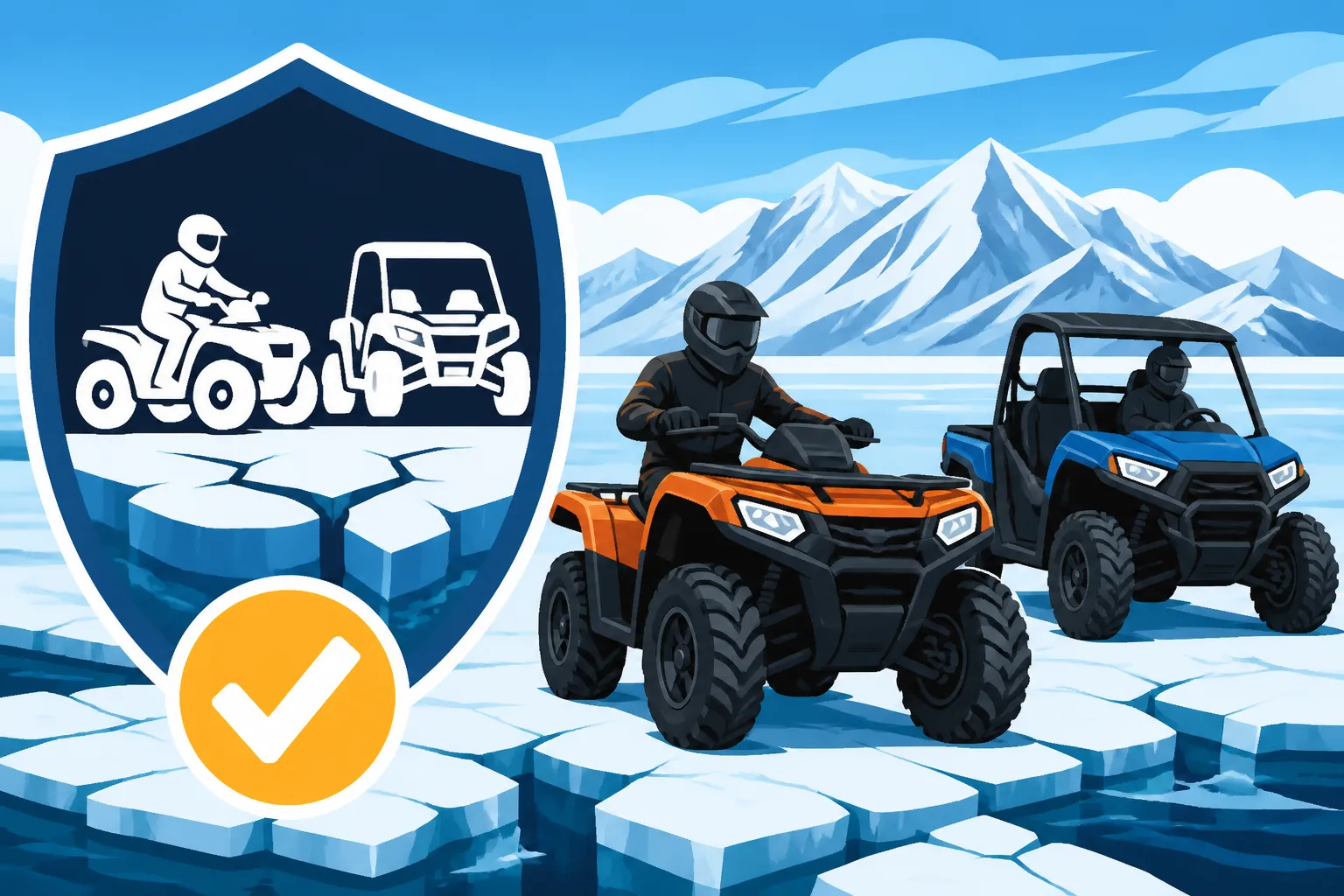
Sea ice isn't just frozen water like a lake or pond. It forms from saltwater and is influenced by ocean currents, tides, wind, and temperature fluctuations, making it far more complex and unpredictable than freshwater ice. You'll encounter different types, from solid "fast ice" that clings to the shore, to shifting "pack ice" further out that can break up without warning.
Unlike a frozen lake, sea ice can have varying salinity levels, which affects its strength, and it's constantly in motion, grinding against itself, forming dramatic pressure ridges, or tearing open into "leads" – stretches of open water that can appear or disappear rapidly. You might find areas of thin, new ice right next to ancient, thick multi-year ice. Slush pockets, formed by wind, waves, or mild temperatures, can also create hidden hazards, trapping even the most capable machines. The underlying ocean currents can create unseen vulnerabilities, thinning ice from below, even when the surface looks solid. This constantly shifting nature is precisely why understanding the environment is paramount; what was safe yesterday might be deadly today.
Inherent Dangers: Beyond the Obvious
The most obvious danger of sea ice is falling through, but the risks extend far beyond that. The extreme cold is a constant threat, and hypothermia can set in surprisingly fast if you're exposed to wind and wet conditions. Whiteout conditions, where the sky blends seamlessly with the ice, can disorient you completely, making navigation impossible and increasing the risk of getting lost or riding into a dangerous area.
Rapid weather changes are common in coastal Alaska. A clear, calm morning can quickly turn into a raging blizzard with zero visibility. Furthermore, the sheer remoteness of many sea ice riding areas means that if something goes wrong – a machine breaks down, you get stuck, or someone is injured – help could be hours, or even days, away. Search and rescue operations are incredibly challenging in such vast, featureless, and often stormy environments. Getting stranded, miles from any shelter or community, without proper survival gear, is a life-threatening scenario. It’s not just about the ice itself, but the entire unforgiving environment it exists within.
Navigating the Legal Landscape of Sea Ice Riding in Alaska
Even though you're riding on frozen ocean, you're not in a lawless void. Standard regulations for operating ATVs and UTVs in Alaska still apply, and there are specific considerations for navigating this unique terrain from a legal standpoint. It’s crucial to understand where you can legally ride and what responsibilities you carry as an operator.
Land Status and Access Rights on Frozen Waters
The concept of "land status" might seem odd when discussing frozen water, but it's vital. Most of Alaska's tidelands and submerged lands (which become "frozen" when ice forms) are state-owned public lands. Generally, you can traverse these areas, but specific rules or closures might apply, particularly near communities, port facilities, or designated wildlife refuges. For example, some areas might be closed to motorized traffic to protect marine mammal pupping grounds or bird nesting sites, even when covered by ice.
While the general permit for state land use might apply to traversing the coastline, the intricacies of "navigable waters" and who manages specific coastal zones can be complex. Always check with local authorities, like the borough or nearest village council, and the Alaska Department of Fish and Game, especially if you plan to access an area for hunting or fishing. Understanding [Alaska Land Ownership and Who to Ask] can save you from inadvertently trespassing or violating specific area closures. It's never safe to assume that just because it's ice, it's open for all activity.
APV Registration and Operation on Frozen Surfaces
Your all-purpose vehicle (APV) doesn't get a pass on registration and operator requirements just because it's on sea ice. If you're riding your ATV or UTV in Alaska, it still needs to be registered with the DMV, unless it falls under a specific exemption (like being used exclusively on private land, which sea ice clearly isn't). This means you need your current decal properly displayed.
You'll also need a valid driver's license to operate your machine, and your machine should meet basic equipment requirements such as working headlights, taillights, and a muffler. While insurance isn't always mandated for off-road use, it's an exceptionally wise investment for sea ice riding given the high risks and potential for costly incidents. For a deeper dive into these requirements, you can refer to [Alaska APV Registration Requirements] and [Alaska APV License and Insurance Rules]. Troopers can and do patrol these remote areas, and being caught without proper registration or licensing can lead to fines, even far from any paved road.
Essential Safety Protocols for Alaska Sea Ice Adventures
Riding on sea ice is not for the unprepared or the faint of heart. It requires meticulous planning, the right gear, and a vigilant mindset. Even seasoned Alaskans approach sea ice with extreme caution, knowing that conditions can change in a heartbeat.
Pre-Ride Planning and Risk Assessment
Before you even load your machine, a thorough pre-ride plan is non-negotiable. Start by obsessively checking multiple weather forecasts, paying close attention to temperature trends, wind speed and direction, and visibility predictions. A sudden drop in temperature can strengthen ice, but a warm spell or strong winds can break it up rapidly. High winds can also create immediate whiteout conditions, even on a clear day, by kicking up snow.
Crucially, you need to understand the local ice conditions. Talk to locals, especially those who regularly travel on the ice for subsistence or work. They have invaluable firsthand knowledge. Consult tide charts – strong tides can weaken ice, especially near river mouths or narrow channels. Always, always [Filing a Trip Plan With Someone] back on solid ground. Share your planned route, expected return time, and contingency plans. If you're considering enhancing your machine's capabilities for such extreme conditions, think about robust accessories that enhance visibility or aid in recovery. Companies like SuperATV offer heavy-duty winches, upgraded lighting, and durable bumpers that can make a real difference in these remote and challenging environments.
Critical Gear and Emergency Preparedness
Your gear list for sea ice riding will be far more extensive than for a typical trail ride. Communication is key, and redundancy is vital. A satellite messenger, such as an InReach or Zoleo, is not optional; it's a lifeline when cell service is nonexistent, which it almost certainly will be. Ensure it's fully charged and tested. Carrying a handheld VHF radio can also be useful for local communication if you're in a group or near maritime traffic. See [Choosing a Satellite Messenger for a Backcountry Ride] for more details.
Your personal survival kit should include a survival suit (a Mustang Survival Suit or similar float coat/pants are excellent for thermal protection and flotation if you go through), extra layers of warm, waterproof clothing, a comprehensive first-aid kit, fire starters, a shelter (like a bivy sack or tarp), plenty of high-calorie food, and extra fuel for your machine. Ice picks are essential and should be worn on your person for self-rescue if you break through. A well-maintained winch on your ATV or UTV, perhaps a powerful model from SuperATV, is critical for self-recovery or assisting a stuck companion. Always travel with others – [Why Alaska Riders Travel in Pairs] is not just a suggestion, it’s a life-saving practice in these conditions.
| Gear Category | Essential Items for Sea Ice Riding | Purpose |
|---|---|---|
| Personal Safety | Survival Suit / Float Coat & Pants | Hypothermia and flotation in case of breakthrough |
| Ice Picks | Self-rescue from water | |
| Whistle | Signaling for help | |
| Headlamp with extra batteries | Visibility in low light/darkness, emergency lighting | |
| Waterproof matches/lighter, fire starter | Emergency warmth, signaling | |
| Communication | Satellite Messenger (e.g., InReach, Zoleo) | Two-way communication, SOS, GPS tracking beyond cell service |
| VHF Radio (handheld) | Local communication, weather broadcasts, distress calls to marine traffic | |
| Fully charged cell phone (for emergency only, unlikely service) | Backup communication, GPS (if downloaded maps) | |
| Navigation | GPS device (dedicated or app with downloaded maps), compass | Route finding, avoiding hazards, whiteout navigation |
| Printed map of area | Backup to electronic devices | |
| Survival | First-Aid Kit (comprehensive) | Treating injuries in remote areas |
| High-calorie, non-perishable food (several days' supply) | Sustenance in case of stranding | |
| Water / Water filter or means to melt snow | Hydration | |
| Bivy sack / Emergency blanket / Tarp | Shelter from wind and cold | |
| Machine Recovery | Winch (e.g., SuperATV Black Ops or similar heavy-duty model) | Self-recovery from soft spots, ice, or deep snow |
| Shovel (collapsible, heavy-duty) | Digging out stuck machines | |
| Tow strap / Come-along / Chains | Assisting stuck companions, securing machine | |
| Extra spark plugs, belt, tools, repair kit | Field repairs for common breakdowns | |
| Extra fuel (securely stored in approved containers) | Extending range, emergency fuel for heat |
On-Ice Riding Techniques and Awareness
Riding on sea ice demands a constant state of vigilance. Never assume ice thickness is uniform; it rarely is. Pay close attention to the color of the ice: dark ice can sometimes indicate thinner ice or open water, while milky white ice might suggest snow-covered ice, which can obscure dangers. Look for pressure ridges, which are areas where ice sheets have buckled, creating dangerous obstacles and potential weak spots. Also, be aware of [Overflow on a Frozen River] conditions near shorelines or river mouths, where water can flow on top of seemingly solid ice, creating slush and dramatically increasing the risk of getting stuck or soaked.
Speed is a critical factor. While it might be tempting to fly across vast open stretches, maintaining a moderate, controlled speed allows you to react to changing conditions, hear cracking sounds, and see hazards before it's too late. Avoid sudden stops, starts, or sharp turns, as these can stress the ice. If you hear loud cracking sounds, move slowly and deliberately towards thicker-looking ice or turn back. Always have an escape route in mind. Learn about [Ice Thickness Before You Cross] and the specific characteristics that indicate safe versus unsafe ice. If you do break through, immediate self-rescue with ice picks is critical, followed by getting to warm, dry shelter as quickly as possible.
Minimizing Impact and Respecting the Ecosystem
Riding on Alaska's sea ice isn't just about your safety; it's also about your responsibility to the environment and the communities that depend on it. This pristine environment is home to unique wildlife and is a vital resource for many Alaskans.
Environmental Sensitivity and Wildlife Encounters
The sea ice environment is fragile and supports a diverse ecosystem, even if it appears barren. You might encounter seals basking on the ice, polar bears, various bird species, and even foxes. It is your responsibility to minimize your impact and respect wildlife. Always maintain a safe and respectful distance from any wildlife you encounter. Never approach or harass animals. If you see signs of dens or resting areas, steer clear. Disturbing wildlife, especially marine mammals, can be illegal and harmful to their survival.
Be aware of [Alaska Bear Encounters While Riding] and [Alaska Moose Encounters While Riding], but also the unique marine species. Avoid sensitive areas like bird nesting grounds or areas known for seal pupping. The "leave no trace" principle is paramount. Pack out everything you pack in, including trash, spent fuel containers, and any broken machine parts. Avoid spilling fuel or oil. The impact of your machine, even on ice, can disrupt delicate ecosystems and leave visible scars on a landscape that might only be traversable for a short window each year.
Local Knowledge and Community Engagement
In many coastal regions of Alaska, local communities have relied on the sea ice for generations for travel, hunting, fishing, and subsistence activities. Their knowledge of ice conditions, safe routes, and environmental sensitivities is invaluable and often unsurpassed. Before venturing onto the ice, especially near villages, it is highly recommended to seek out local advice. Ask at the local store, tribal council, or community center. They can provide up-to-the-minute information on ice conditions, current dangers, and areas to avoid.
Respecting traditional routes and subsistence activities is paramount. You might be sharing the ice with dog teams, snowmachines, or other APVs involved in critical daily activities for residents. Always yield to dog teams and give them a wide berth. If you're unsure about specific access points or routes, asking for [Alaska Village Land Permission] or simply asking for guidance from community members can prevent misunderstandings or even serious safety incidents. Ignoring local knowledge is not only disrespectful but also incredibly dangerous, as those who live there understand the ice's temperament far better than any map or single forecast can convey.
Disclaimer
This article is for general informational purposes only and does not constitute professional advice. Laws, prices and regulations vary by location and change over time. Consult a qualified professional for guidance on your specific situation.