Alaska Riding in the Interior
Riding your ATV or UTV through Interior Alaska is an experience unlike any other, full of breathtaking landscapes and the raw solitude that only the Last Frontier can offer. However, the sheer vastness and unique mix of land ownership, remote conditions, and specific regulations can feel incredibly overwhelming, leaving many riders unsure where to begin or what to watch out for. This guide is here to cut through that confusion, helping you understand the distinctive challenges and incredible opportunities for off-road adventures in Alaska's vast Interior.
Navigating the Diverse Terrain and Seasons of Interior Alaska
The Interior of Alaska is a land of extremes, defined by its long, cold winters, hot, dry summers, and incredible natural diversity, from boreal forests to expansive tundra. This environment profoundly impacts when and where you can ride your ATV or UTV, demanding both respect and thorough preparation. Unlike coastal areas, the Interior's climate means distinct riding seasons, each with its own set of considerations and breathtaking views.
Understanding Summer Riding Conditions and Restrictions
Summer in the Interior, roughly from late May through early September, brings long daylight hours, sometimes nearly twenty-four hours of sun. While this sounds like prime riding time, it's also when the landscape is most vulnerable, especially the delicate tundra and wetlands. During these months, trails can range from dusty dry to mucky bogs, often within the same mile. River crossings can swell with snowmelt, making them treacherous. It’s crucial to understand [Alaska Wetland Travel Restrictions Explained] and to be aware of how riding during the wet season can cause irreparable damage to the ground, leading to trail closures or severe fines. Many areas become off-limits to protect critical habitats and prevent erosion. Always carry plenty of water, as even with the extended daylight, temperatures can soar, and dehydration is a real risk.
Winter Riding on Frozen Landscapes
Once the ground freezes solid, typically from October through April, a whole new world of riding opens up. Frozen rivers become highways, and snow-covered trails offer smooth, expansive travel. Winter riding requires a different set of skills and preparation, including appropriate cold-weather gear, studded tires for traction, and a deep understanding of ice safety. What looks like a solid frozen river can hide overflow water that can quickly freeze your machine to the ice or give you hypothermia. Knowing when [Freeze-Up and When Riding Resumes] is key, as conditions can be deceivingly stable one day and incredibly dangerous the next. This is also when many Alaskans use their machines for subsistence activities like hunting and trapping, so you'll encounter a different type of trail user.
Deciphering Land Ownership and Access Rules
One of the biggest hurdles for any rider in Interior Alaska is figuring out who owns the land you want to ride on. Unlike some places where vast tracts are uniformly public, Alaska's land ownership is a complex mosaic of state, federal, Native corporation, and private parcels. Trespassing, even accidentally, can lead to serious consequences, and ignorance of the law is never an excuse.
State and Federal Lands in the Interior
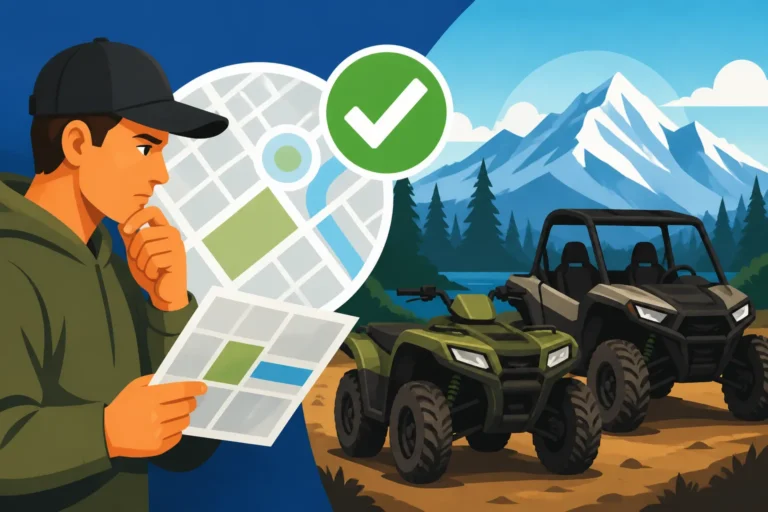
Much of the Interior is managed by various state and federal agencies. State lands often fall under the purview of the Alaska Department of Natural Resources (DNR), and a [Alaska's Statewide General Permit for ATV Use] is often required for certain activities. Federal lands include areas managed by the Bureau of Land Management (BLM), National Forests, and National Wildlife Refuges. Each of these has its own distinct set of rules and permitted uses. [Alaska BLM Land Riding Rules] are generally more permissive than those for a National Park or Wildlife Refuge, which often have highly restrictive or outright prohibitive rules for ATVs and UTVs. Always check with the specific land management agency before you head out. A good starting point is to look up [Alaska Land Status Maps] to understand who owns what in your target area.
Native Corporation and Private Land Challenges
Alaska Native Corporations (ANCSA Corporations) own vast amounts of land across the Interior. These lands are private property, and riding on them without explicit permission is trespassing. Accessing these lands typically requires purchasing a land use permit directly from the specific Native Corporation that owns the parcel. It's not a one-size-fits-all permit; you'll need to know the specific corporation. Similarly, private land, whether it's a remote homestead, a mining claim, or a cabin site, is strictly off-limits without permission. Always respect "No Trespassing" signs and err on the side of caution. If you're unsure, don't ride. This is especially true in areas near villages where traditional travel routes might cross private or Native corporation lands. Understanding [Alaska Native Corporation Land Permissions] is crucial for respectful and legal access.
Here's a quick comparison of general access rules by land type in Interior Alaska:
| Land Type | General ATV/UTV Access | Permit/Permission Required | Key Considerations |
|---|---|---|---|
| Alaska State Land | Often Permitted | Alaska General Permit (sometimes) | Check DNR rules, designated trails, seasonal closures. |
| Federal BLM Land | Often Permitted | No (generally) | Designated routes, environmental regulations, specific area rules. |
| Federal National Park/Refuge | Restricted/Prohibited | No (generally) | Usually limited to roads, often no off-road travel. |
| Alaska Native Corporation | Private Property | Yes (Specific Corp Permit) | Purchase permits, respect cultural sites, no open access. |
| Private Land | Private Property | Yes (Owner's Permission) | Explicit permission, respect boundaries, no open access. |
Essential Gear and Safety for Interior Adventures
The remoteness of Interior Alaska means that help can be hours, or even days, away. Being self-sufficient and carrying the right gear isn't just a recommendation; it's a necessity that could save your life or the lives of your riding partners. The mantra here is "prepare for the worst, hope for the best."
What to Pack Beyond the Basics
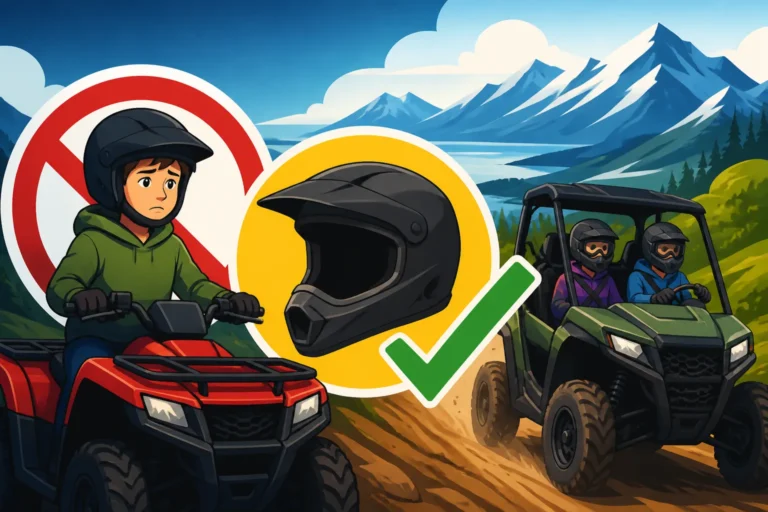
Beyond your standard riding gear like a helmet (mandatory for riders under 16, but wise for everyone – see [Alaska ATV Helmet Law Age]), sturdy boots, and gloves, the Interior demands a more extensive packing list. Think emergency. A robust first-aid kit, a satellite messenger (as cell service is virtually nonexistent off the road system), and extra fuel are non-negotiable. Always carry tools specific to your machine, a tire repair kit, and a small air compressor. Winches are incredibly helpful, and a good quality one, perhaps from a reputable brand like SuperATV, can be a game-changer when you inevitably get stuck in mud, snow, or a riverbed. Spare parts like a drive belt or spark plugs can also be critical. Don't forget high-visibility clothing, especially during hunting season when you're sharing the landscape with hunters.
Navigation and Emergency Preparedness
Navigation in the vast Interior is another critical aspect. Don't rely solely on a phone app. Carry physical maps and a GPS device, and know how to use both. Understand [Alaska Accident Reporting for an ATV Crash] rules, as these are important even in remote areas. Filing a detailed trip plan with someone responsible back home, including your route, expected return time, and who to call if you don't check in, is paramount. Travel with at least one other machine if possible. Bears and moose are ever-present, so know how to react to wildlife encounters and consider carrying bear spray. A firearm, if you're legally able and proficient, is another consideration for protection against large animals. The cold can set in quickly, even in summer, so layers of clothing, a fire starter, and emergency shelter are vital.
Machine Maintenance for Interior Conditions
Your ATV or UTV needs to be in top condition before you venture into the Interior. Regular maintenance, including checking fluids, tire pressure, and all mechanical components, is a must. Consider upgrades that enhance durability and capability. Heavy-duty skid plates, robust A-arms, and perhaps a lift kit can provide crucial clearance and protection against the notoriously rough trails, rocks, and stumps you'll encounter. Brands like SuperATV offer a wide range of accessories designed to beef up your machine for extreme conditions. A reliable winch and recovery straps are essential. It's not just about getting unstuck; it's about minimizing the chance of breaking down miles from anywhere. [Alaska Equipment Checks by Troopers] may occur, so ensure your machine meets all legal requirements, including working lights, brakes, and spark arrestors, especially when passing through areas with higher traffic or fire restrictions.
Community Etiquette and Respecting the Land
Riding in Interior Alaska isn't just about navigating trails and regulations; it's also about understanding and respecting the local culture, environment, and the people who call this rugged land home. The way you conduct yourself on the trails and in communities reflects on all ATV and UTV riders.
Minimizing Environmental Impact
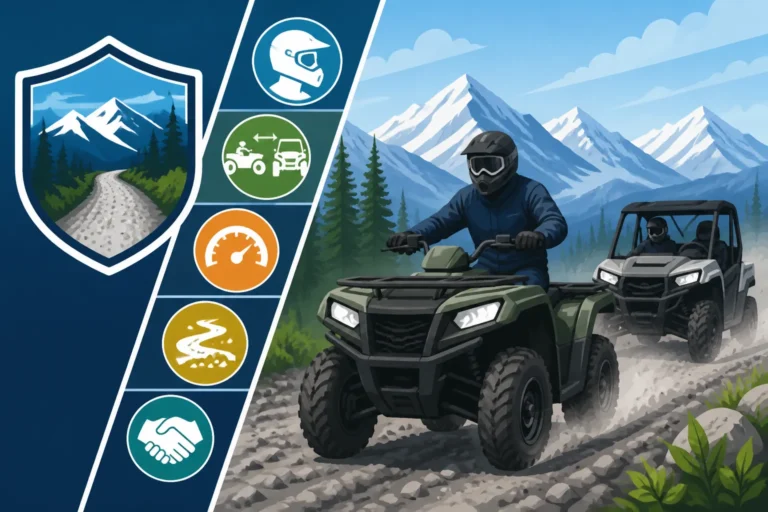
The Alaskan landscape, particularly the Interior's tundra and wetlands, is incredibly fragile. Your actions have a direct impact. Stick to established trails and routes to prevent erosion and damage to delicate ecosystems. Avoid riding on [Alaska Rules for Riding Tundra] unless it's frozen solid and clearly permitted. Never litter. "Pack it in, pack it out" is not just a saying; it's a requirement to keep these wild places pristine. Be mindful of noise levels, especially when riding near cabins, homes, or wildlife. Excessive noise can disturb animals and residents alike. Following proper [Alaska Wetland Travel Restrictions Explained] is crucial to preserving the integrity of the land for future generations.
Interacting with Local Communities and Other Users
Many communities in the Interior rely on ATVs and UTVs for daily transportation, subsistence, and access to resources. When riding through or near villages, reduce your speed, be courteous, and yield to pedestrians, dog teams, and other local traffic. Road rules within villages or on public roads that allow APVs apply, including requirements for a [Alaska Requires a Class D License] and [Alaska Requires Liability Insurance for an APV]. These are not just for city roads but also for designated village routes. Respect private property and traditional use areas. If you encounter hunters, trappers, or other backcountry users, give them space and courtesy. A friendly wave and a respectful attitude go a long way in fostering good relationships between riders and other Alaskans. Remember, you're a guest in someone else's backyard, even if that backyard is vast and wild.
Disclaimer
This article is for general informational purposes only and does not constitute professional advice. Laws, prices and regulations vary by location and change over time. Consult a qualified professional for guidance on your specific situation.