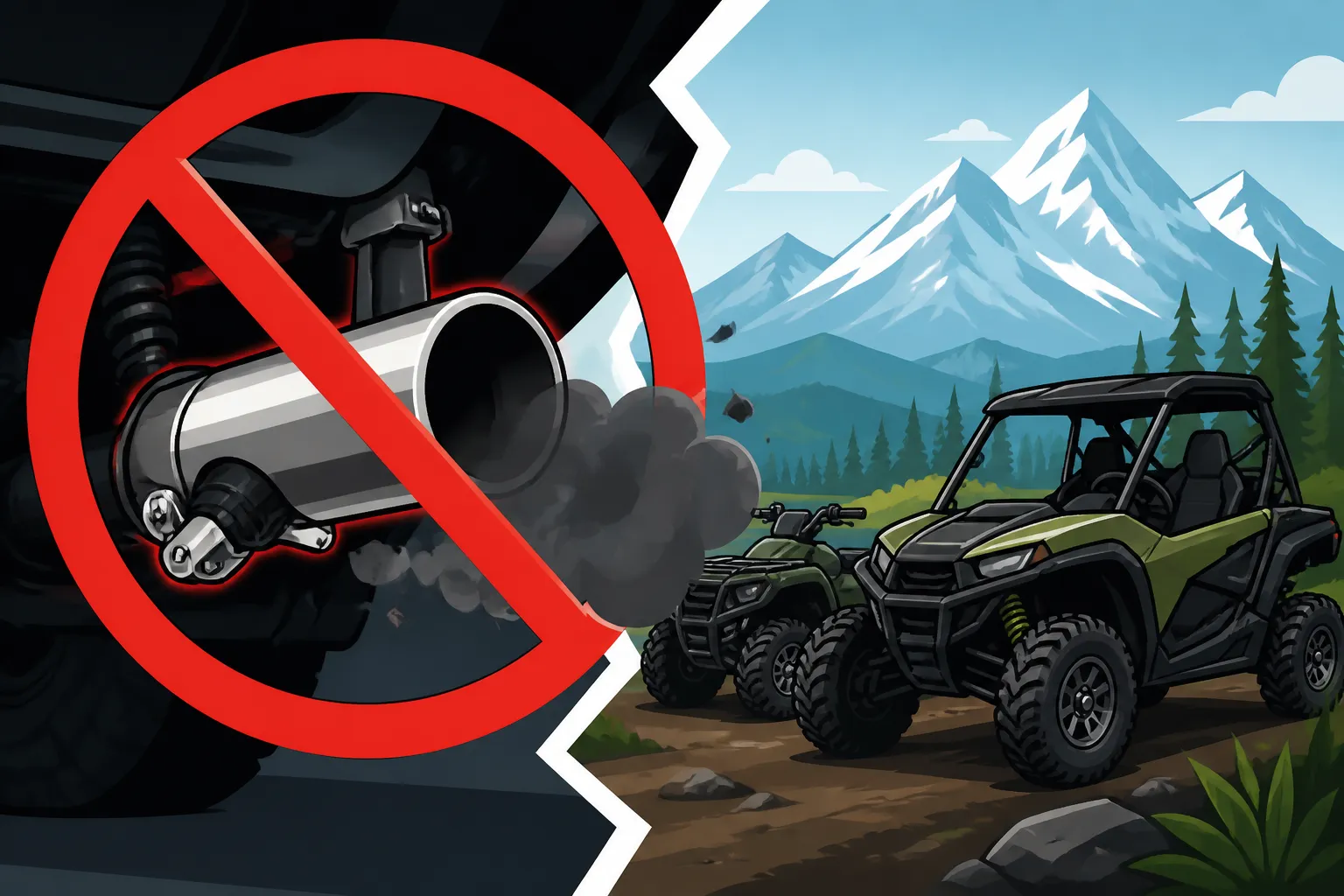
Why Exhaust Cutouts Are Not Allowed
It can be incredibly frustrating to invest in an amazing Alaska ATV or UTV, only to find out that a modification you thought would enhance your riding experience, like an exhaust cutout, is actually against the rules. Many riders come from places where vehicle modification culture is different, or they simply aren't aware of the specific state and local regulations here in Alaska. This guide will walk you through why exhaust cutouts are a no-go for off-road vehicles in our great state, focusing on the real-world reasons behind these rules and what it means for your machine and your adventures.
Understanding Alaska's Stance on Exhaust Modifications
When you're out exploring the vast wilderness or even just navigating the trails around your cabin, the last thing you want is a run-in with law enforcement or a complaint from a fellow Alaskan. Understanding why certain modifications, like exhaust cutouts, are prohibited is key to a hassle-free riding experience. It's not just about what sounds cool; it's about protecting the environment, preserving public peace, and ensuring the longevity of our shared riding opportunities.
The Core Issue: Noise Pollution and Community Impact
Let's be real, a loud machine can be exhilarating. The rumble and roar can make you feel powerful, connected to your ride, and ready to tackle any terrain. However, that thrilling sound can quickly become a nuisance to others. Alaska's open spaces are vast, but they are also home to wildlife and communities who value peace and quiet. Exhaust cutouts, by their very design, are meant to bypass the muffler and significantly increase exhaust volume. This isn't just a minor increase; it can be a drastic jump in decibels.
Imagine you're enjoying a quiet evening at a remote cabin, perhaps near a popular trail system. The sound of a machine ripping through the quiet, especially late in the day, can shatter that tranquility. Or picture a family camping out, trying to enjoy the natural sounds of the bush, only to be constantly interrupted by excessively loud ATVs or UTVs. These experiences lead to complaints, and complaints lead to stricter enforcement and even potential trail closures. The state has a vested interest in balancing the enjoyment of riders with the rights of other residents and visitors to enjoy the peace of Alaska's natural environment. It's a tricky balance, and excessive noise is often the tipping point.
Why Exhaust Cutouts Are a Problem for Law Enforcement
From a law enforcement perspective, exhaust cutouts present a clear and immediate violation of noise ordinances. Alaska, like many states, has regulations concerning the maximum sound levels permitted for vehicles, including ATVs and UTVs. These regulations are designed to keep the peace and mitigate the impact of recreational activities on the public. An exhaust cutout is, by definition, a device that allows a vehicle to exceed these established sound limits.
When a trooper encounters a machine with an active exhaust cutout, it's often an open-and-shut case. There's no ambiguity about its purpose or effect. It's not just about a loud aftermarket exhaust system, which might still comply if it has a proper muffler and spark arrester; a cutout is specifically designed to bypass those components. This makes it easy for officers to identify and cite. Furthermore, these laws are often tied to the concept of public welfare and nuisance. Law enforcement officers are tasked with enforcing these rules to ensure that all users of public lands and adjacent communities can coexist peacefully. They're looking for vehicles that are clearly out of compliance and causing a disturbance, and cutouts fall squarely into that category.
Environmental Concerns and Machine Integrity
Beyond the noise, exhaust systems play a crucial role in environmental protection and even the health of your machine. When you start modifying them with cutouts, you're not just changing the sound; you're potentially altering the emissions profile and putting undue stress on your engine. It's important to consider these factors before making any irreversible changes to your exhaust system.
Emission Controls and Air Quality
Modern ATVs and UTVs are designed with emissions controls to reduce pollutants released into the air. This includes catalytic converters and other components within the exhaust system that process harmful gases. When an exhaust cutout is installed, especially one that completely bypasses the muffler and other parts of the system, it often also bypasses these crucial emission control devices. The result is a significant increase in unchecked pollutants like carbon monoxide, hydrocarbons, and nitrogen oxides.
Alaska prides itself on its pristine natural environment and clean air. Allowing vehicles to freely bypass emission controls would be counter to these values and could contribute to localized air quality issues, especially in popular riding areas or near communities. These regulations are in place to protect the very environment we love to ride in. While the impact of one machine might seem minimal, the cumulative effect of many modified machines could be substantial. It's about being a responsible steward of the land and ensuring that our recreational activities don't compromise the health of our environment for future generations.
Wear and Tear: How Cutouts Affect Your Machine
Believe it or not, a proper exhaust system isn't just about sound and emissions; it's engineered to work in harmony with your engine. When you install an exhaust cutout, you're disrupting this carefully balanced system. Many riders install cutouts hoping for a performance boost, but the reality can be quite different. An exhaust system provides a certain amount of back pressure, which is vital for engine performance and longevity, especially in four-stroke engines common in ATVs and UTVs. Drastically altering this back pressure with a cutout can actually lead to decreased engine efficiency, poor fuel economy, and even premature wear on engine components.
The sudden drop in back pressure can cause valves to open and close at incorrect times, leading to issues like burnt valves or piston damage over time. It can also confuse the engine's computer (if your machine has one), leading to it running too lean or too rich, neither of which is good for its health. While some high-performance racing applications might meticulously tune an engine for specific exhaust setups, a simple cutout on a stock machine is rarely beneficial and often detrimental. For instance, reputable aftermarket companies like SuperATV design their full exhaust systems to maintain proper back pressure while still offering performance improvements and a more aggressive sound, all within legal limits. They understand that proper engineering is crucial for both performance and durability. So, while a cutout might seem like a quick fix for a louder sound, it could cost you much more in engine repairs down the line.
The Legal Ramifications of Non-Compliant Exhaust Systems
Riding in Alaska comes with certain responsibilities, and knowing the laws regarding your machine is one of the most important. Operating an ATV or UTV with an illegal exhaust cutout can lead to more than just a stern warning; it can result in significant fines and even affect your ability to use your machine on public lands. It's crucial to understand these potential consequences before you hit the trails.
Potential Fines and Citations
The most immediate consequence of being caught with an illegal exhaust cutout is a citation. Troopers and other law enforcement officials are on patrol, especially in popular riding areas, and they are trained to spot non-compliant vehicles. The fines for violating noise ordinances or equipment regulations can vary, but they are often substantial enough to make you think twice about the modification. These aren't just minor parking tickets; they can be hundreds of dollars, sometimes more, depending on the specific statute and if it's a repeat offense.
Beyond the initial fine, you might also be required to rectify the problem, meaning you'll have to remove the cutout and install a compliant muffler system. This can be an additional expense on top of the fine, effectively doubling the cost of your "modification." Imagine getting a ticket while out on a long weekend ride, having to cut your trip short, and then shelling out money for both a fine and repairs. It's a costly lesson that can easily be avoided by ensuring your machine meets all legal requirements before you even leave your driveway. Being prepared and compliant means your adventures stay focused on the incredible scenery, not legal headaches.
Impact on Insurance and Machine Registration
Operating a non-compliant machine can also have broader implications, reaching into your insurance coverage and even your [Alaska APV Titling Required Since 2022]. Many insurance policies include clauses that require the insured vehicle to be operated legally and maintained in a compliant condition. If you get into an accident while your ATV or UTV has an illegal exhaust cutout, your insurance company might have grounds to deny a claim, especially if the modification is deemed to have contributed to the incident or if it violates the terms of your policy. This could leave you on the hook for expensive repairs, medical bills, or liability costs entirely out of pocket.
Furthermore, issues with compliance could indirectly affect your machine's registration. While an exhaust cutout might not directly block your [Registering an ATV at an Alaska DMV], continuous violations could lead to more scrutiny. If you're repeatedly cited for operating a non-compliant machine, it could flag your vehicle for future inspections or even lead to difficulties with renewals. It's all about ensuring your machine is a legal, safe, and responsible vehicle for use on Alaska's trails and roads where permitted. Staying above board protects not only your wallet but also your ability to legally enjoy your machine for years to come. Remember, even if you purchase an aftermarket exhaust, ensure it meets all local and state regulations for sound and emissions to avoid any issues.
Staying Compliant: Alternatives and Best Practices
So, if exhaust cutouts are out, what are your options for customizing your machine or enhancing its performance while staying on the right side of Alaska law? The good news is there are plenty of ways to enjoy your ATV or UTV, get more power, and even a better sound without resorting to illegal modifications. It’s all about making informed choices that prioritize both performance and responsibility.
Performance Upgrades Within Legal Limits
For many riders, the desire for an exhaust cutout comes from a wish for more power or a more aggressive sound. Thankfully, the aftermarket industry, including brands like SuperATV, offers a wide range of performance upgrades that are designed to be compliant with noise and emissions regulations. Instead of a cutout, consider a full aftermarket exhaust system from a reputable manufacturer. These systems are typically engineered to improve exhaust flow, which can lead to horsepower gains, and often provide a deeper, more satisfying exhaust note without exceeding legal decibel limits. Crucially, they usually include a proper muffler and spark arrester, which is required for [Alaska OHV Equipment Requirements] on public land to prevent wildfires.
Other performance upgrades can include engine tuning, air intake modifications, or clutch kits. These can significantly enhance your machine's power delivery, responsiveness, and overall riding experience without touching the core legal requirements of your exhaust. Always look for parts specifically marked as "emissions compliant" or "off-road legal" in your area. Chatting with knowledgeable staff at your local ATV shop can also provide invaluable insights into what upgrades are both effective and legal for Alaska riding. This way, you can customize your ride to your heart's content, knowing you're also protecting your investment and your right to ride.
Maintaining Your Machine for Optimal Sound
Sometimes, a perceived need for a louder exhaust comes from the degradation of the stock system over time. A damaged or worn-out muffler can certainly make your machine sound less than ideal, and not in the "cool, aggressive" way. Regular maintenance of your exhaust system is key to ensuring it operates efficiently and quietly within legal limits. Check for cracks, holes, or loose baffles in your muffler. A damaged muffler can lead to excessive noise and also allow sparks to escape, which is a serious fire hazard in dry conditions.
Replacing a worn-out stock muffler with a new, factory-spec one can often restore your machine to its intended sound profile and compliance. If you're considering an aftermarket muffler, make sure it's designed with sound attenuation in mind and includes a spark arrester. Regular cleaning of your spark arrester is also crucial, as a clogged one can restrict exhaust flow and even lead to engine issues. By keeping your entire exhaust system in good repair, you ensure your machine sounds as it should, performs optimally, and doesn't draw unwanted attention from troopers or irritated fellow trail users. It’s a simple yet effective way to respect the regulations and keep enjoying your Alaskan adventures.
Here's a quick look at the differences between compliant and non-compliant exhaust setups:
| Feature | Compliant Exhaust System | Non-Compliant Exhaust (e.g., with Cutout) |
|---|---|---|
| Noise Level | Designed to meet state and local decibel limits | Often exceeds legal decibel limits, creating excessive noise |
| Emissions | Includes catalytic converter (if applicable) and emission controls | Bypasses emission controls, increasing pollutants |
| Spark Arrester | Required and integrated to prevent wildfires | Often removed or bypassed, increasing fire risk |
| Back Pressure | Engineered for optimal engine performance and longevity | Disrupts engine back pressure, potentially harming engine and performance |
| Legality | Legal for use on public lands and trails | Illegal on public lands, subject to fines and citations |
| Maintenance | Regular checks maintain sound and performance | Can lead to increased engine wear and maintenance issues |
Remember, the goal is to enjoy the incredible experience of riding in Alaska responsibly. Understanding and adhering to these regulations ensures that our trails remain open and enjoyable for everyone. Before you embark on your next adventure, double-check your machine's exhaust system to ensure it's in top-notch, legal condition. This helps everyone share our beautiful state's great outdoors. [Alaska Riding Areas Reachable in a Day] are waiting for you, so make sure your machine is ready for the journey, the legal way. For more details on what to expect, consider reviewing resources like [What a Trooper Can Ask to See] during a stop, or even explore [Alaska ATV Trail Map Downloads] to plan your next adventure within legal boundaries. If you're unsure about specific equipment, checking out [Alaska OHV Equipment Requirements] can provide clarity. Also, understanding [Alaska APV Title Requirements] and [Alaska APV Registration Requirements] are crucial first steps for any new machine owner in the state. And of course, making sure your machine is registered through [Registering an ATV at an Alaska DMV] is always foundational.
Disclaimer
This article is for general informational purposes only and does not constitute professional advice. Laws, prices and regulations vary by location and change over time. Consult a qualified professional for guidance on your specific situation.